
Facing the fear
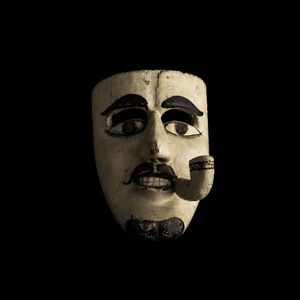
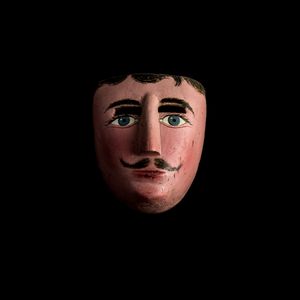
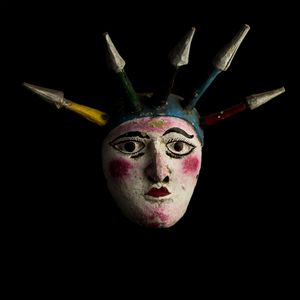
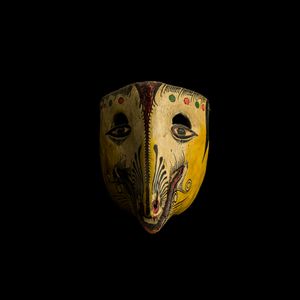
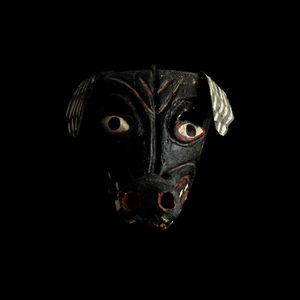
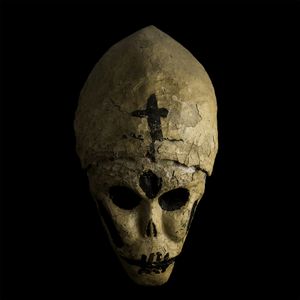
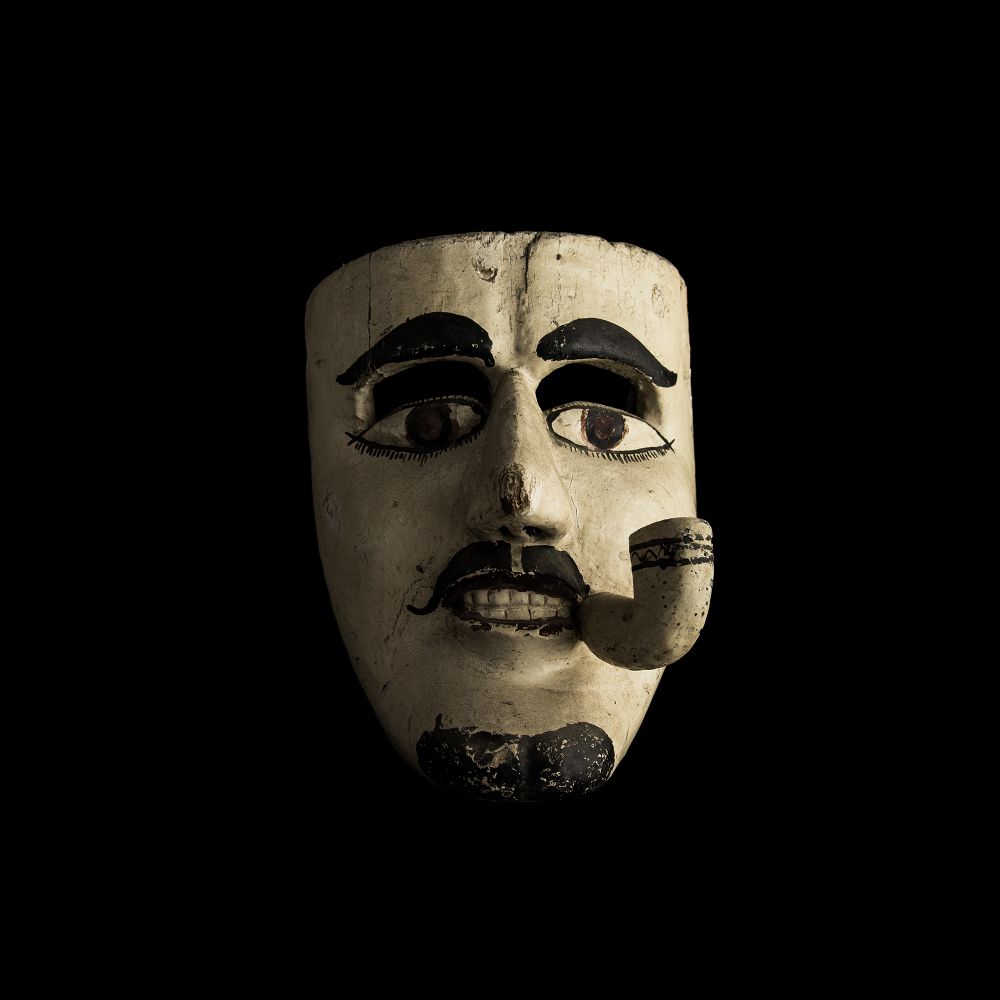
Traditional early-century Mexican masks from Guerrero let us explore the socially disruptive power of a malleable identity. These masks were used in festivals to embody the antagonists of the people in public rituals and plays, in order to mock and humble the enemy, the despised 'Other'. The targets include colonials—the Spanish, French, and Yankee, as well as animals such as locusts that ate the crops, and demons that brought disease and disorder … and the ultimate 'Other', death. As well as playing this dramatic role, some masks were also used in shamanism to allow the shaman to embody discarnate spirits. The dramatic and shamanic uses of the masks form a continuum: art and spiritual practice were not completely separated as they are in modern thinking, and likewise the masks themselves respect no absolute boundary between dramatic depiction and shamanic manifestation. Through sensitive placement and lighting, I have made these pictures into portraits of the masks, treating them as if they are sentient entities whose eyes return the gaze of the viewer. The striking power of the mask actually to change the identity of the wearer, to meld the consciousness of the wearer with the powers of the depicted character, is brought out in these pictures. These portrait photographs of the masks themselves present the extraordinary latent force of the 'unfaced'. Masks are used courtesy of Lance and Neila Wyman.
No categories selected
Photos (10)