Tronies
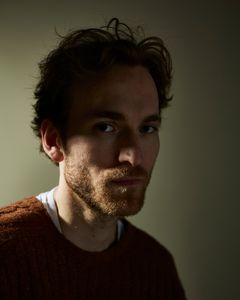
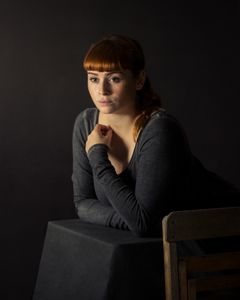
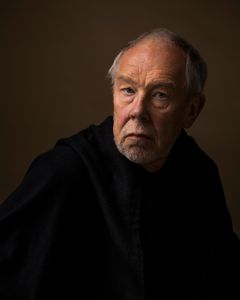
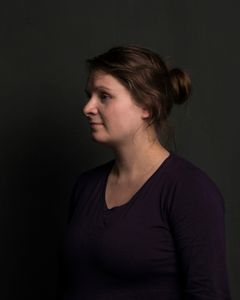
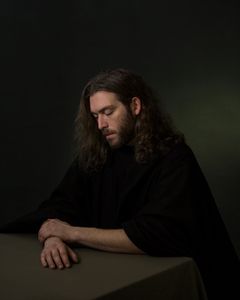
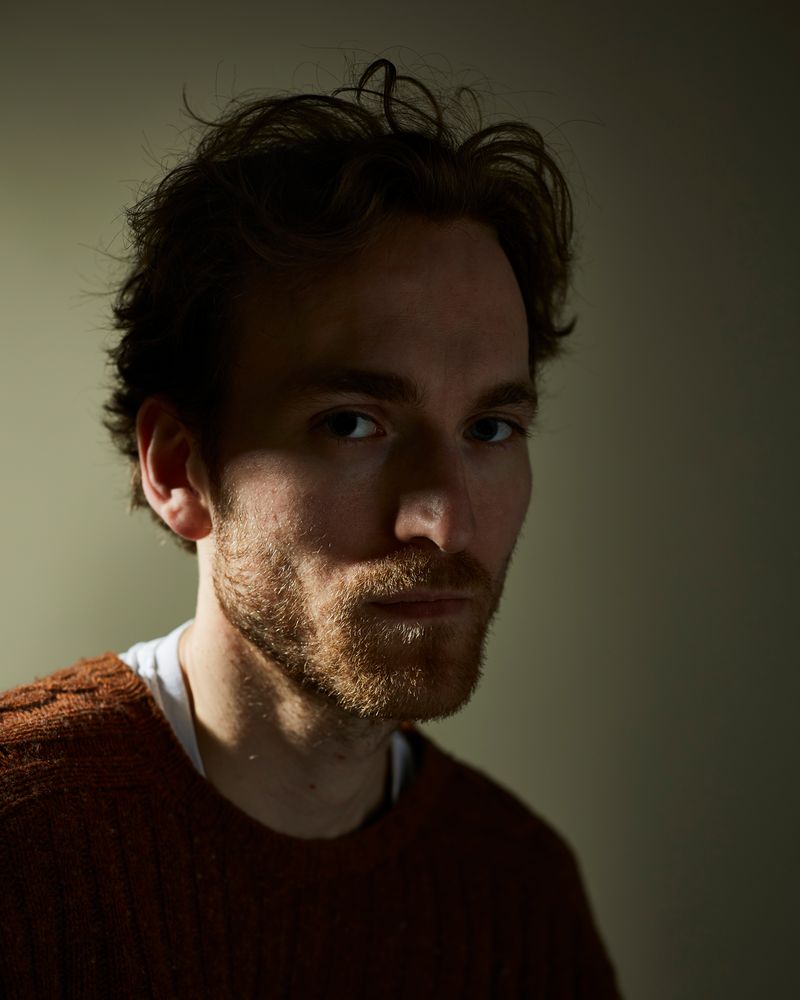
The photographic series called TRONIES refers to a common practice in barock master‘s workshops. Especially in Rembrandt‘s workshop, this genre was used to study facial expression, gesture, posture and light. As preparation for huge paintings, oftentimes visitors were painted. They were shown without marks of social rank, like nobilitating attributes or certain backgrounds. These studies were called Tronies, as they dutch word Tronie meant something like face or grimace at the time. Soon it became an independant genre coexisting next to portraits, as it developed its own market beyond wealthy bourgeoisie and aristocracy. The photographic examination with this genre tries to point out the ways of ikonological vagueness. Only by using facial expression, gesture, posture and light, I try to present a horizon of meaning for the recipient. I therefore use idols of art history to evoke a certain estrangement. My intention is to set a counterpart to today‘s stream of images. As my Tronies are highly concentrated and reduced, they seem to withdraw by not using established tools of today‘s image production that ought to lead to commercialisation and marketing uses. I like to help giving pictures a new form of autonomy by using a genre, which reflects the problem of credibility of today‘s image production. My fascination for this genre bases on its ikonological vagueness, that leaves it open for a variety of meanings. The stories told are expressed through gesture, posture and facial expressions, and thus are not as explicit as in most portraiture. As the Tronies were just a form of preparation for historic or religious paintings, they seem to have no clear meaning, as to represent the painted persons nature. The only undlerying use for the painter was to practise. Thus Tronies can be considered to claim an autonomy, that artworks assume to have not until the late 19th century.
No categories selected
Photos (7)