Scarred Land
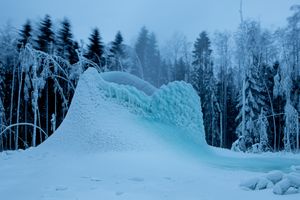
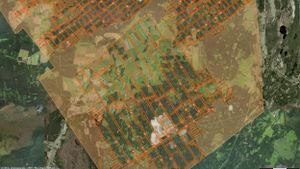
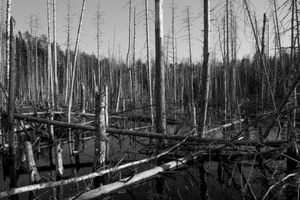
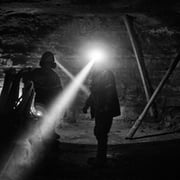
When I first started my investigation into Estonian oil-shale mining, I had high hopes to be able to photograph the underground operations of the mines. Having had a lot of interest into caves, the large underground cavities captured my imagination. But despite multiple tries I couldn't get access. So instead I started looking for the signs of mining on the ground. As it turned out, there are plenty - from the huge mountains of gangue to subtle differences on terrain due to caved-in mines. The reasearch dragged from a couple of months into several years, with working both the maps and mining-related literature to probably about a hundred fields trips. I worked with aerial images spanning two decades to see the changes in the landscape, I located the ventilations shafts and wastewater basins, I searched for newly formed wetlands where the mines have collapsed and brought down the ground, I searched for the non-sealed openings and collapse holes where one could enter the abandoned mines, I befriended divers who go cave-diving in the clear waters of flooded mines, I photographed offroad competitions in the abandoned quarries. Later when my work became more known and accepted among local communities and the industry, I also had several chances to visit and photograph the working mines. At some point my abstract objection to mining became intertwined with the respect towards the people working there, my conservative environmentalism questioned by possibility of human progress. So rather than forcing my own opinion towards the oil-shale industry, I'm providing the context and trying to challenge the viewer to come up with their own.
No categories selected
Photos (17)