Why Can't Us?
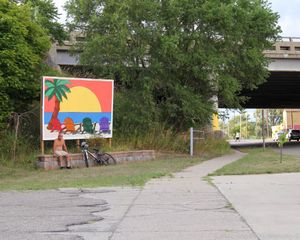
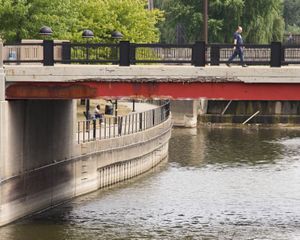
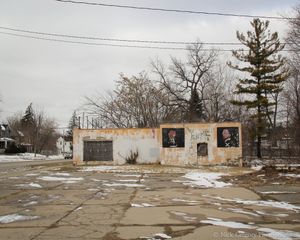
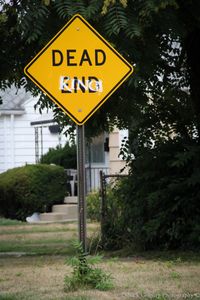
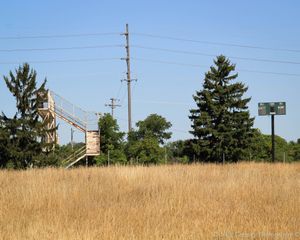
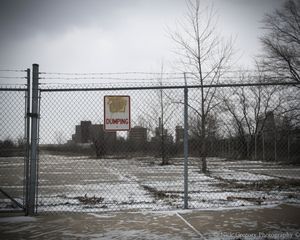
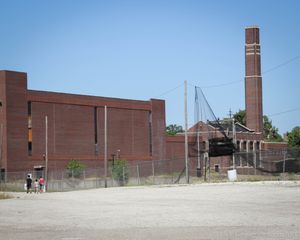
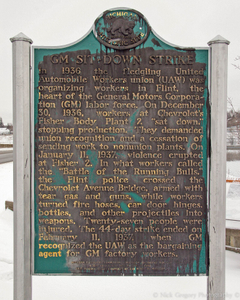
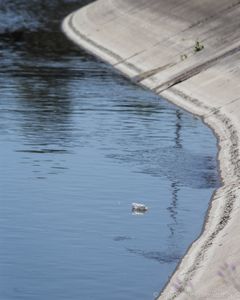
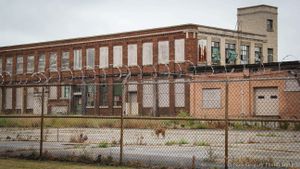
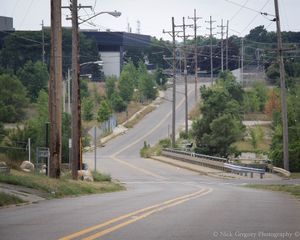
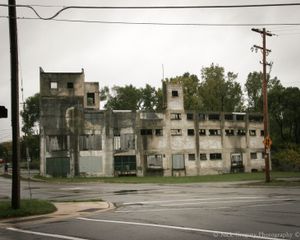
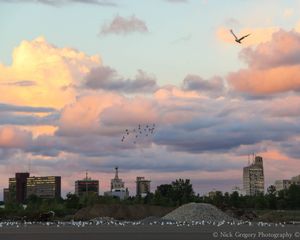
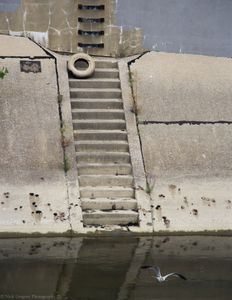
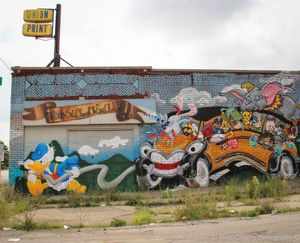
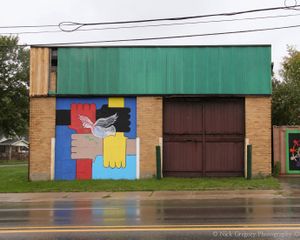
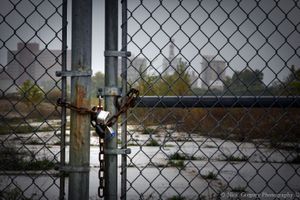
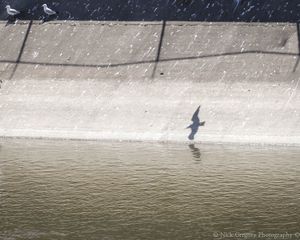
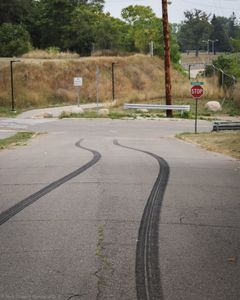
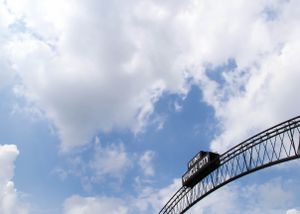
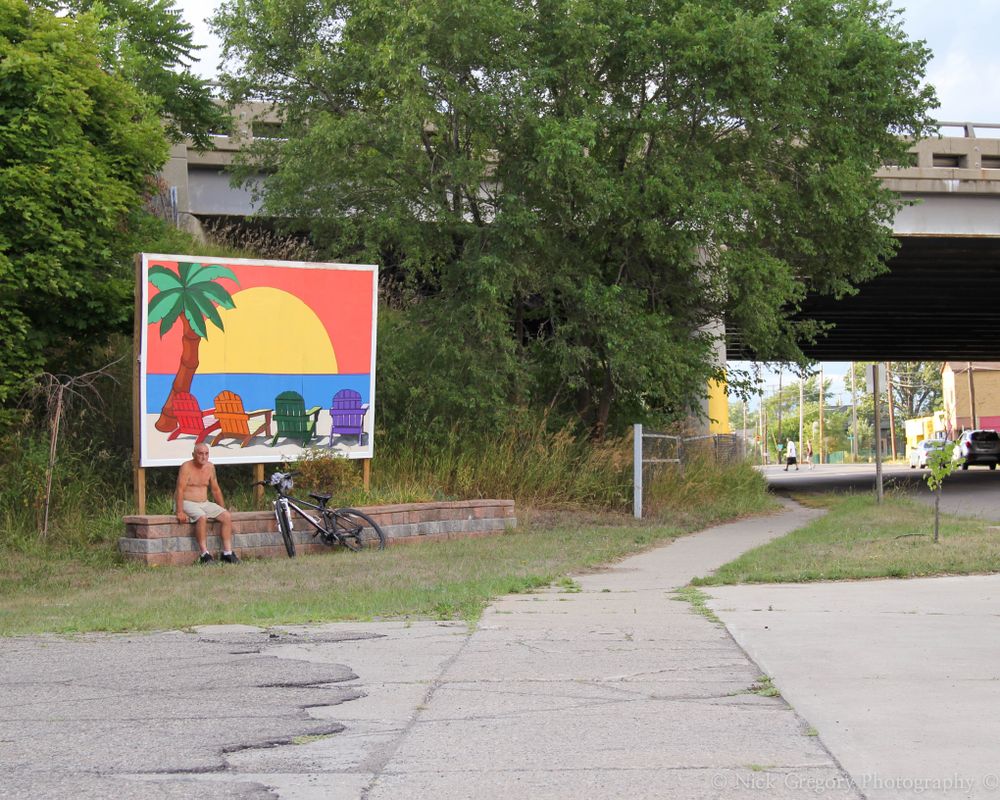
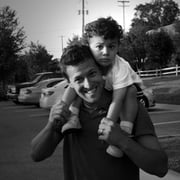
Flint, Michigan is fifteen miles from the comfortable high school classroom where I teach American Government and Economics. Sadly, the water crisis has always felt like a national story in our classroom, not a local emergency. The lessons about the common good and social justice feel like an extension of chapter seven, not the real-life tragedy that is the result of human failure. The slow and awful response to the crisis and the lack of action is a footnote in our day to day study of failed leadership. Lead-poisoned water continues to haunt Flint (for more than 2½ years) and an outbreak of Legionnaires' disease - pneumonia caused by bacteria - is now linked to the health crisis and at least twelve deaths in Flint. These photographs reflect my journey exploring how we continue to allow so much suffering for so long. Clearly, my own lack of understanding and confusion shapes the pictures made here. “How in the hell can 15 miles seem so far away?” Despite dozens of visits, I always feel alone journeying through the neighborhoods I hear about on the 11 o’clock news. I suppose voluntary self-confinement and shooting safely from quiet places can make a city with a hundred thousand people lonely. I better understand that there are dozens of measures, besides miles, that more accurately explain the distance between Flint and the rest of the world. Flint is guarded and tough. Gritty and angry. At least that's what we're told as we convince ourselves those traits are a badge of honor in exchange for our absent empathy for long-suffering cities. In Michigan, there is no shortage of toughness by way of places like Saginaw, Detroit, Benton Harbor and Muskegon. It makes us feel a little better to claim pride for the toughness of others I suppose. And now everyone is aware that our cities are also vulnerable. We didn’t need a tragedy in Flint to learn that. We just needed to notice. The truth is I don’t have damn clue what Flint really is and my my selection of photographs reveals as much. My selection of these images were influenced by a high school class of activists at Flint Carman-Ainsworth High School. Their words - mostly in the form of poetry - gave me insight and kept my intentions honest. Their heart-felt anger and hurt spoke to me. Their pleas for help were outnumbered by cries to simply not be forgotten. The release of this essay on Martin Luther King Jr. Day is deliberate. I want to draw awareness back to an injustice of epic proportions. Together, we need to stand up for Flint. Dr. King showed us how to be empathetic. The struggle for peace and justice requires taking action. I am sad. I am curious. I want to be a better neighbor.
No categories selected
Photos (21)