
Dreaming in Color
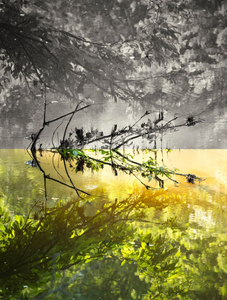
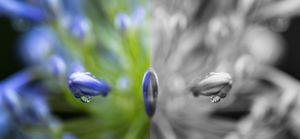
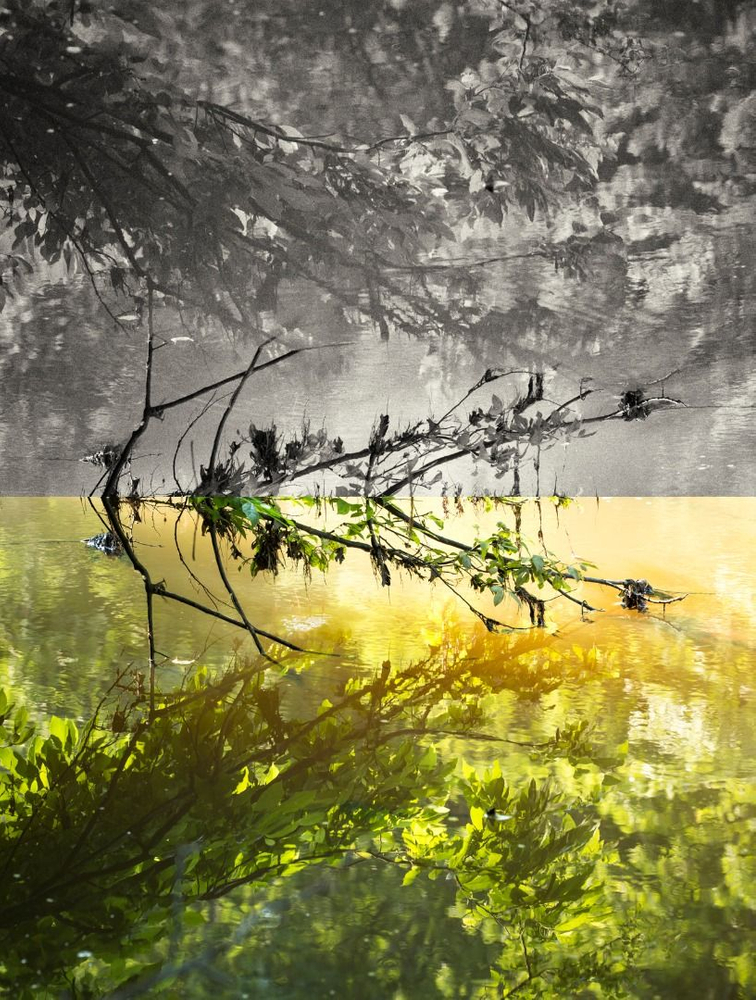
There has been a long-standing debate about whether we most often dream in color or black and white, and what determines whether we truly perceive color while dreaming. Researchers suggest that most dreams are actually in color, reflecting our own visual experiences. Others suggest that we “color” our dream worlds as an emotional filling in of our visual imagination. What is color? While we think of it as a constant and shared experience, changes in illumination may influence our perception of color. Also color experiences may differ across cultures. The natural world provides a foundation for our color perception. For example, the word “pink” originated in the pale red Dianthus flowers of “Pinks”. Green is universally associated with nature, yet can symbolize concepts as disparate as environmentally conscious and steeped in money. In this series of photographs, intimate natural scenes explore the emotional influence of color. Wallflower may pivot the observer between the solemn black and white floral form and its colorful mirrored image. In Once in a Lifetime the stormy black and white beach scene is calmed by the triangle of blue sky.
No categories selected
Photos (11)