
Road to Petergof
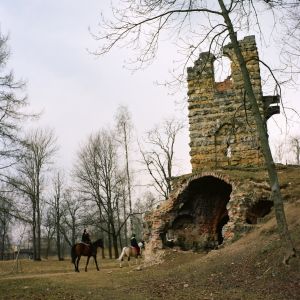
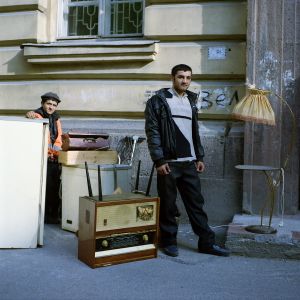
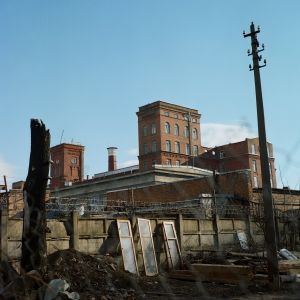
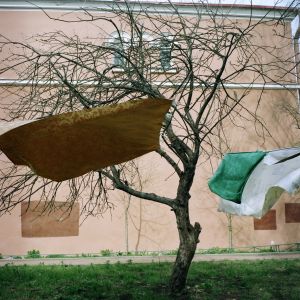
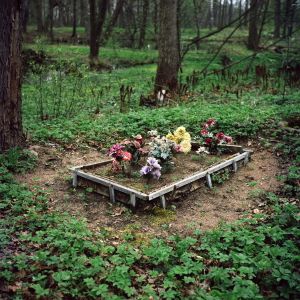
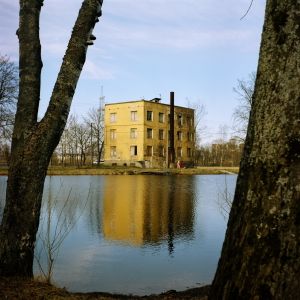
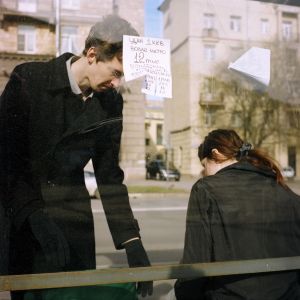
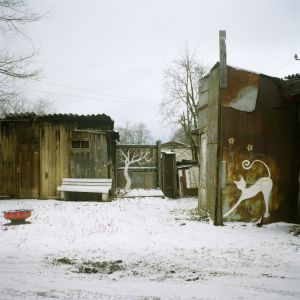
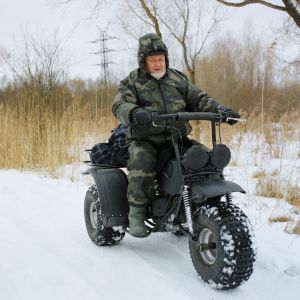
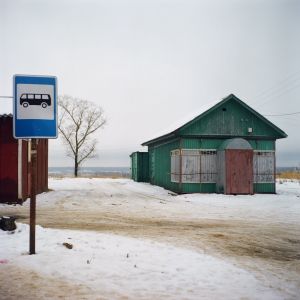
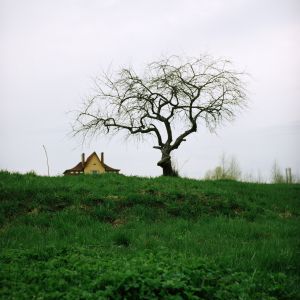
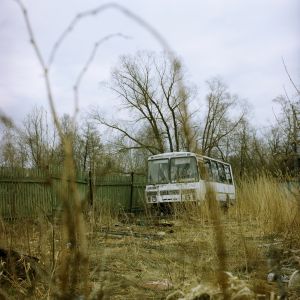
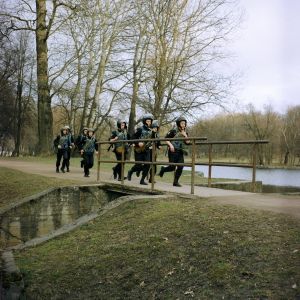
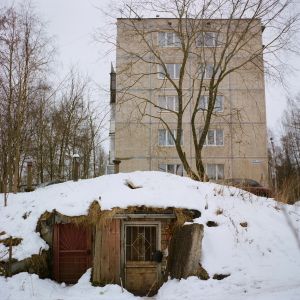
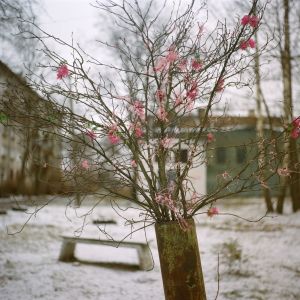
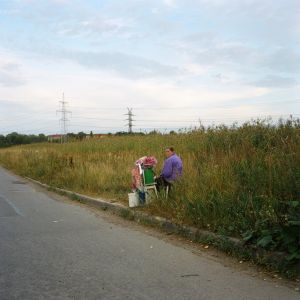
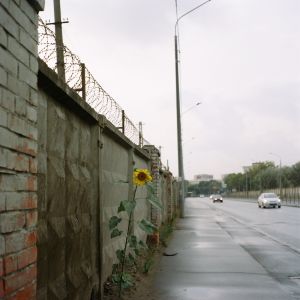
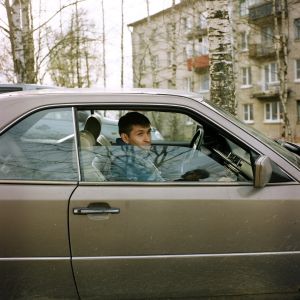
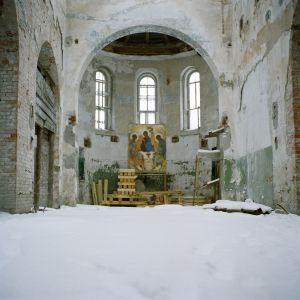
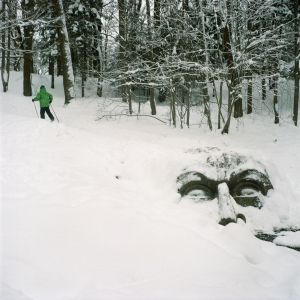
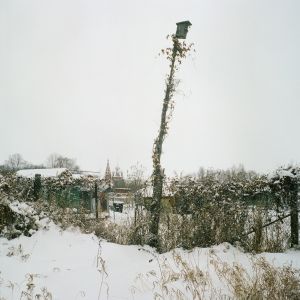
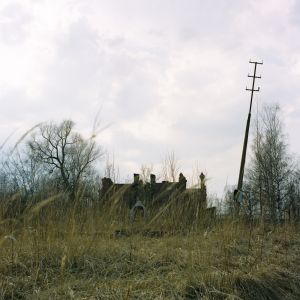
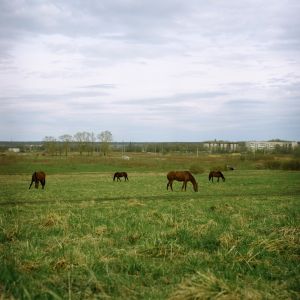
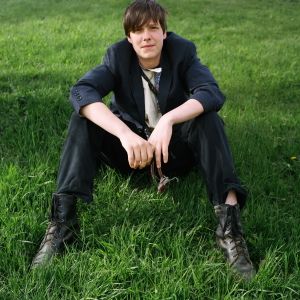
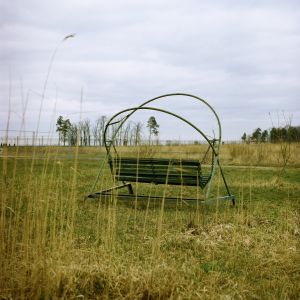
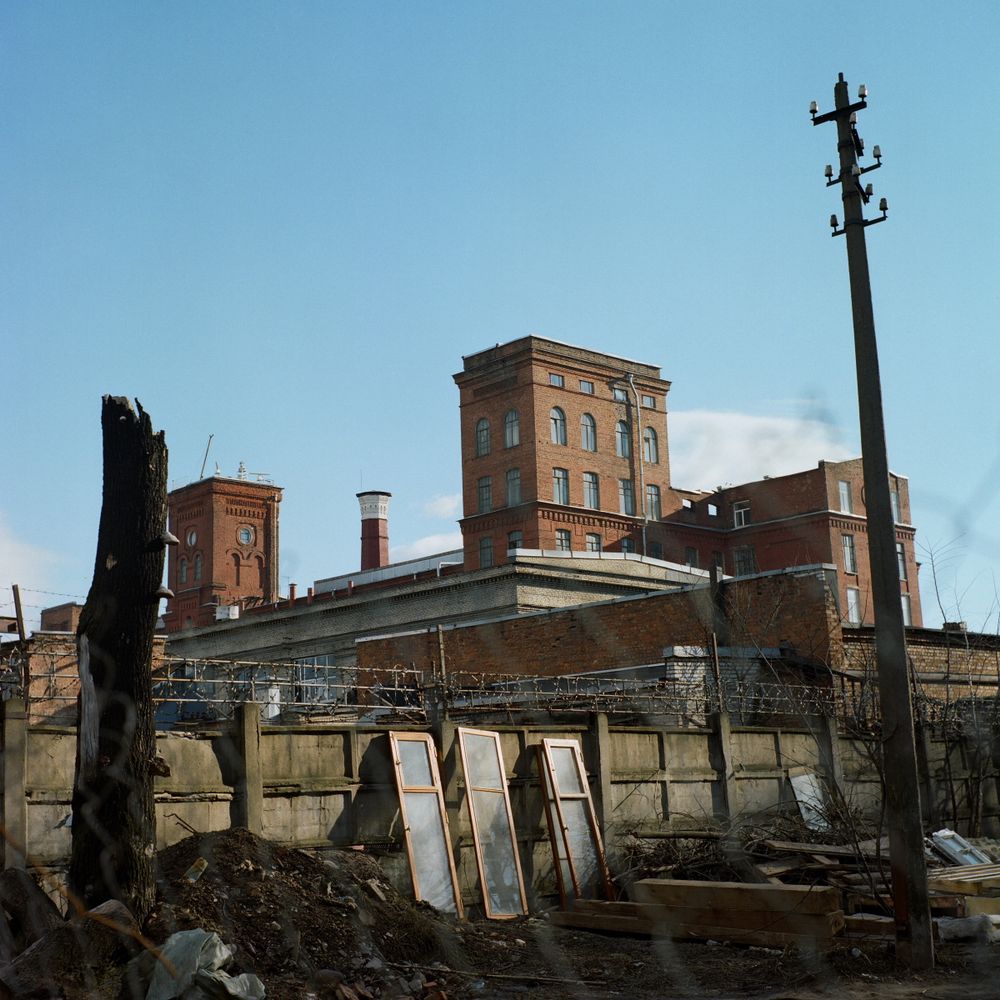
I began working on the Petergof Road project in 2015, when I came back to Saint-Petersburg after spending two years abroad. This long absence did something to the way in which I experienced the city space: what had been familiar to the point of being unnoticeable before, all of a sudden became very strange. Saint-Petersburg has a very strongly established urban imaginary. Since our childhood, we have been accustomed to perceive it in dialectical terms, either with a reference to its grandeur and beauty or to its dark, delirious “other side” hidden by the imperial facades. Yet what I started to notice was something different. It was not a space defined by clear-cut binaries, but a very weird assemblage of odd fragments, pertaining to seemingly incompatible symbolic orders and layered on top of each other. I started to read about it and the more I read, the more paradoxical the space around me appeared. Dostoevsky called Saint-Petersburg “the most abstract and intentional city on the entire globe”. And it was true: the metropole did not develop organically, as most cities do, but was built ex nihilo — as an embodied manifestation of the sovereign’s utopian, colonial vision. One cultural theorist referred to the city as “an aggregate of geometric planes and drawn lines, without any content or depth”, a project which did not make provision for real people inhabiting it, but which could be described as as a conceptual sculpture. It is the shadow of this utopian, top-down thinking that has been haunting the city ever since. It reached its peak in the 20th century, with the advent of the socialist state, when another conceptual grid was imposed upon the existing landscape, precluding anything which did not fit the standardised schemata from gaining visibility. Now that I have become more aware of this, I have set out to see beyond the established iconography and externally conceptual frameworks. My aim has been to take a phenomenological approach and observe the space as it is, in its very particularity, paying attention to its quaint juxtapositions and acknowledging the actual forms of life lurking among the ruins of the Romantic imagination. I decided to focus my attention on a very particular piece of land: the territory of the road from Saint-Petersburg to Petergof, a tract established by Peter I in 1710 to connect the newly built capital to the monarch's suburban residencies. This territory exemplifies the paradoxical nature of the Russian landscape. The road, yet another manifestation of the imperial vision, was constructed in accordance with the idea of picturesque. Its grand ensembles of palaces and nobility’s residencies, stretching along an imaginary line on the map, were constructed with the primary purpose of pleasing the enlightened observer’s eyes. This vision, however, was not meant to accommodate the actuality of the rural land, a layer which remained excluded from the official discourse and hence invisible. Over the past three hundred years, the Petergof road landscape has borne witness to many a utopian vision; each of them transformed and scarred it, leaving behind marks which have often remained unaccounted for. In a way, my approach is that of a visual archeologist: by trying to uncover strata which have been previously hidden, I aim to understand and assemble my own identity.
No categories selected
Photos (25)