
Baba's.Mystics+Holymen
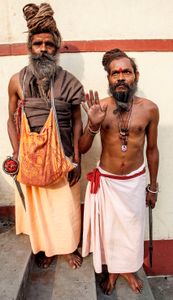
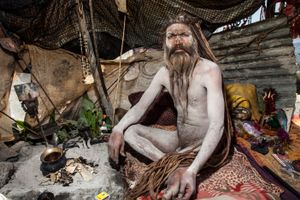
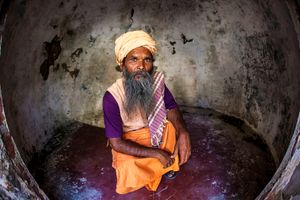
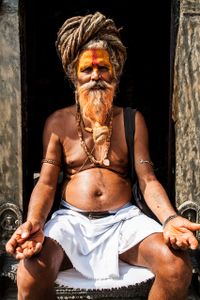
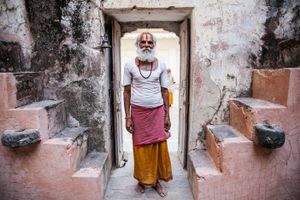
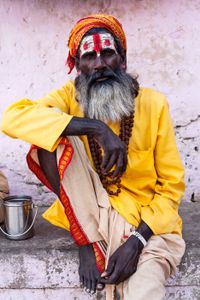
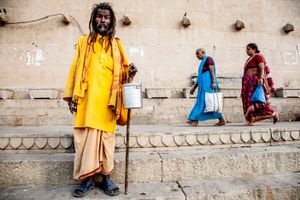
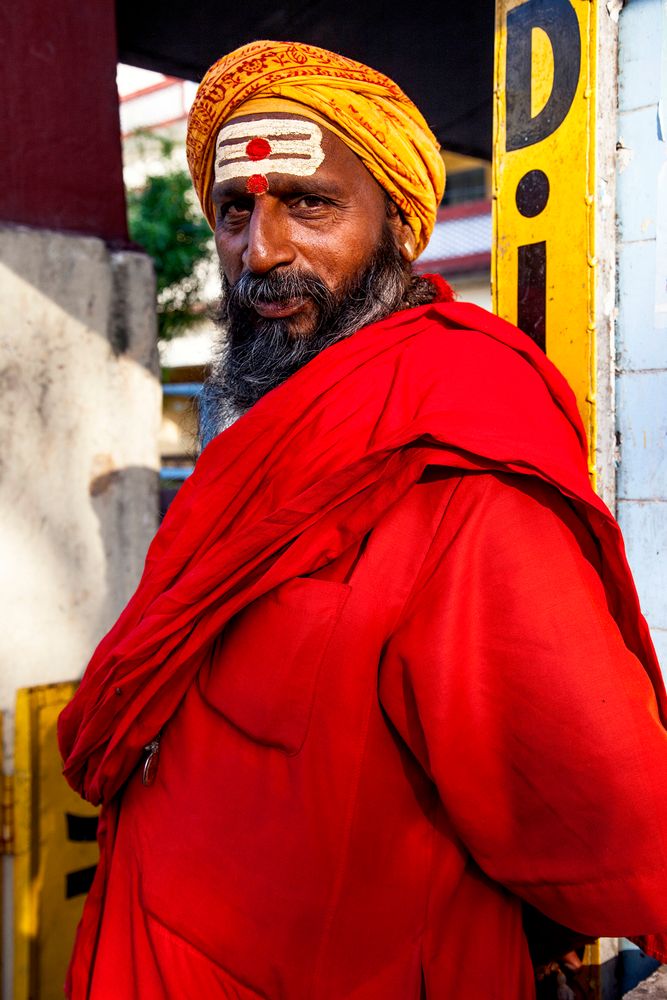
Several hundred thousand Hindu and Jain sadhus and a few thousand holy women (sadhvis ) live an ascetic life. They have chosen to wear ocher robes, or perhaps no clothing at all, to daub their skin with holy ash, to pray and meditate, and to wander from place to place, depending on the charity of others. Most have given up affiliation with their caste and kin and have undergone a funeral ceremony for themselves, followed by a ritual rebirth into their new ascetic life. They come from all walks of life, and range from illiterate villagers to well-educated professionals. In their new lives as renunciants, they are devoted to spiritual concerns, yet each is affiliated with an ascetic order or subsect demanding strict adherence to rules of dress, itinerancy, diet, worship, and ritual pollution. Within each order, hierarchical concerns are exhibited in the subservience novitiates display to revered gurus. Further, at pilgrimage sites, different orders take precedence in accordance with an accepted hierarchy. Thus, although sadhus have foresworn many of the trappings of ordinary life, they have not given up the hierarchy and interdependence so pervasive in Indian society.
No categories selected
Photos (10)