Untitled
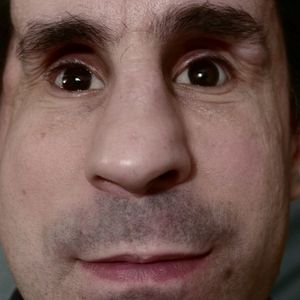
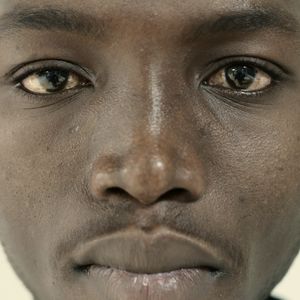
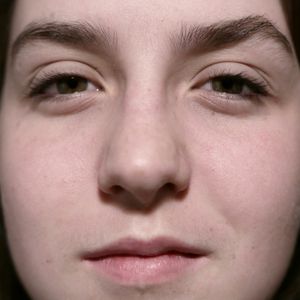
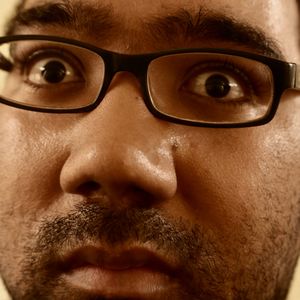
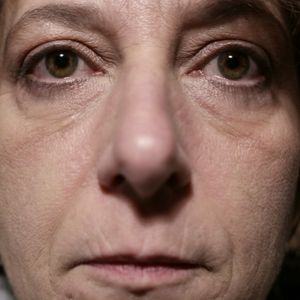
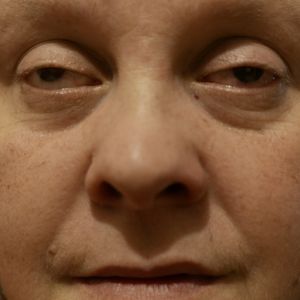
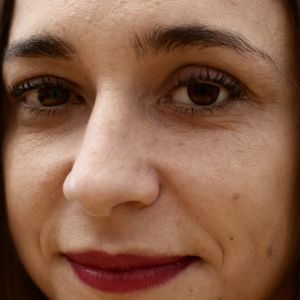
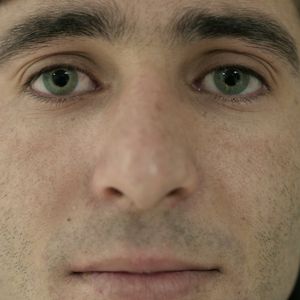
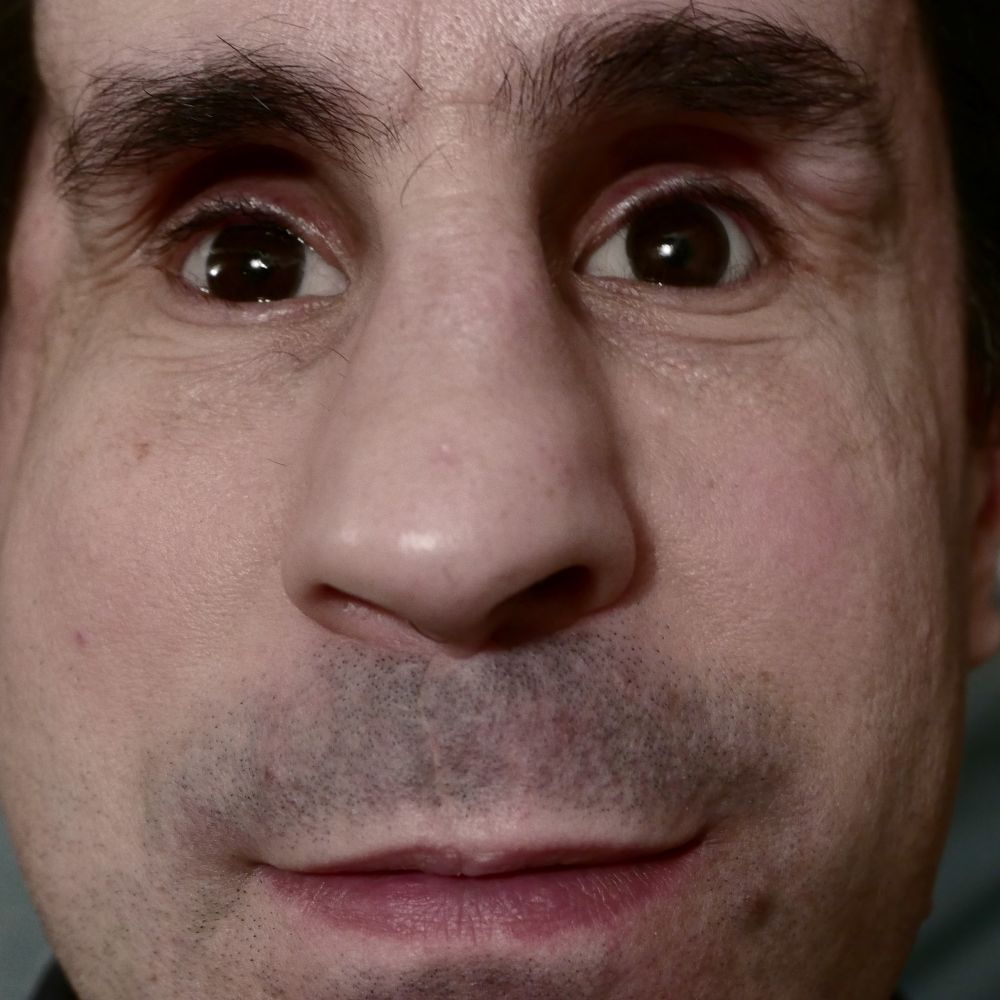
C'est une vérité ramassée dans les rues qu'un bon portraitiste parviendrait à fixer l'intériorité de son modèle, que face à sa photographie on puisse le dire vrai, tel qu'en lui-même, et s'exclamer : "C'est bien lui !". Je n'en suis pas certain. Je me souviens d'un petit jeu auquel l'écrivain Alfred Döblin se soumit : "On lui confie plusieurs portraits de peintres célèbres - détail qu'on lui cache - par Hugo Erfurth. En Kokoschka, il voit un activiste politique, en Paul Klee un enfant gâté, en Max Slevogt un vieil employé des impôts usé par l'ennui, en Lovis Corinth un bagnard, en Max Beckmann un avocat aigri, faible et colérique. Il conclut : "Ces hommes ressemblent bien à ce que j'ai décrit, mais ils ne le sont pas. La nature ne se sent pas obligée de faire d'un visage une enseigne. De la physionomie, elle fait plutôt un cache". J'ai voulu tenter à mon tour l'expérience, inspiré par les portraits de Richard Avedon - dont chacun sait la grande part de jeu et de mise en scène. Avedon avait un protocole : photographier ses modèles devant un fond blanc uni. C'était encore trop. Je me suis demandé si, en resserrant le cadre, je ne parviendrais pas à obtenir un portrait dont ne ressortiraient que les sourcils, les yeux, le nez et la bouche sur fond de peau unie. Le résultat est plus complexe mais j'ai conservé ce protocole qui révèle une étrange impression tant pour le modèle que pour le photographe et le spectateur. Ainsi rapprochés dans le même cadre, chacun peut s'interroger sur la vérité première de ce texte et s'adonner au petit jeu de Döblin. It's a commonplace that a good portraitist succeeds in catching his model's inwardness. Looking at this photography, one might say : « he looks real, it's him! ». I'm not so sure about that. I remember a little game at which the writer Alfred Döblin once played : « He was looking at several portraits of famous painters – without knowing who they were – made by Hugo Erfurth. He thought Kokoschka was a political activist, he saw Paul Klee as a spoiled rotten child, Max Slevogt as an old tax officer worn by boredom, Lovis Corinth as a convict and Max Beckmann as an embittered, weak and bad-tempered lawyer. « Those men look like my descriptions but they are not. Nature doesn't feel obliged to make an insignia from a face. It rather makes a cover out of physiognomy.», he concluded. I wanted to try myself, inspired by Richard Avedon's portraits – and everybody knows they were often a real performance. Avedon had a protocol: he photographed his models in front of a plain white background. It still seems too much. I wondered if, by using a closer frame, I could get a portrait from which only eyebrows, eyes, nose and lips would be brought out against a backdrop of plain skin. The result is more complex but I've kept that protocol which develops a peculiar impression for the model but also for the photographer and the viewer. Bringing them together in the same frame, everybody can now wonder about the first commonplace of that text and play Alfred Döblin's little game.
No categories selected
Photos (10)