
Me Inside
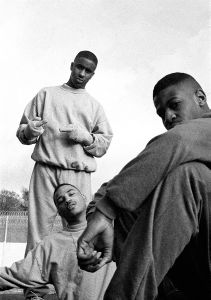
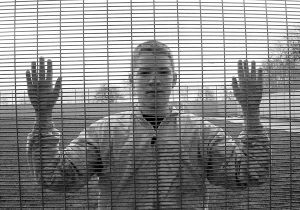
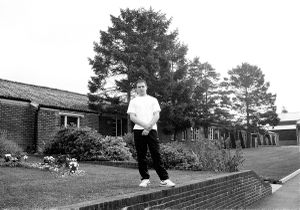
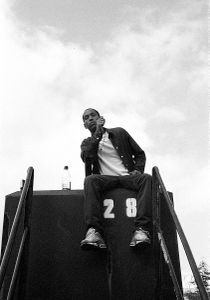
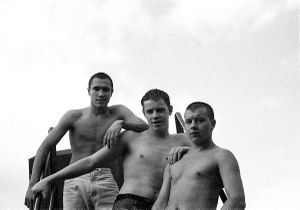
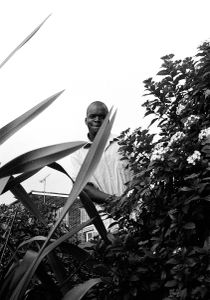
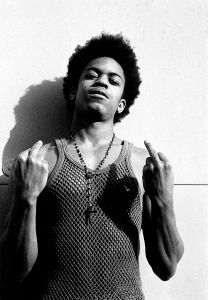
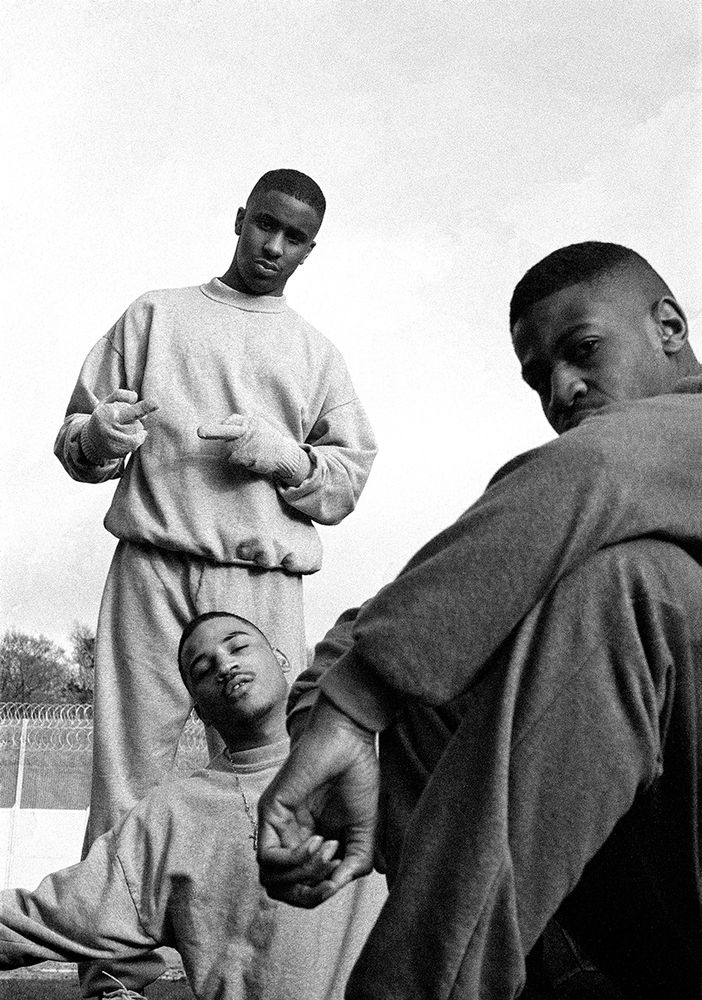
In 1998 I was invited to a Young Offender Institution to teach photography workshops with groups of young men aged fifteen to twenty one. In return, I was given access to photograph a documentary in the prison. The workshops were a wonderful success and ran over the next four years. All young inmates were enrolled in an educational programme while in prison, learning basic skills or completing their qualifications. The photography workshops were offered as part of a range of creative workshops during their half term breaks. While working with my students I developed a series of portraits in collaboration with them. They created an identity far removed from their daily routine of prison and had a clear understanding on how they wanted to be photographed – strong and confident and with the illusion of being free. They bought into being both behind and in front of the camera. In a makeshift darkroom with bin bags as black outs I introduced them to the magic of the darkroom. They learned how to develop film and print their own photographs. They were keen to learn and enjoyed the immediacy of creating images and the reward of having a photograph of themselves. These images were, for many, the first photographs of themselves they could send to family and friends since being in prison, sometimes for lengthy sentences: “You get used to being locked up, but I mostly miss my family,” said one 18-year-old, who was in prison for his third time, serving a three-year sentence. Being able to send photographs back home inspired them. I have recently revisited the folder of negatives again, aware that the images are still powerful, full of poetry, not only relevant to the prisoners themselves, but speak to a wider audience. This is how this series is resurfacing now, nearly two decades later.
No categories selected
Photos (10)