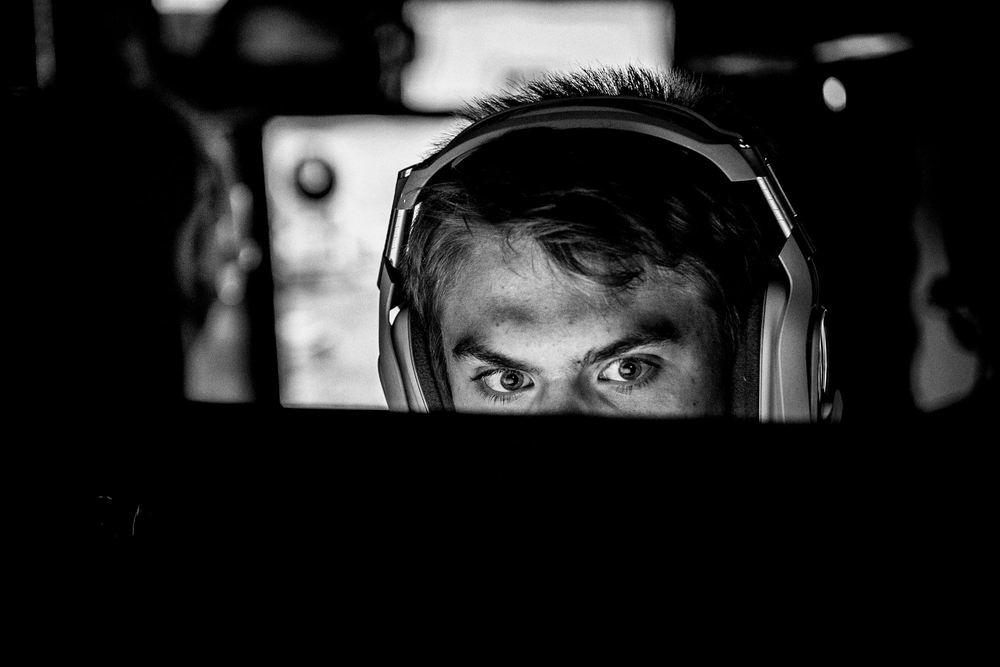
We live in a time where alongside traditional sporting competitions, professional electronic games tournaments continue to gain in popularity. The number of their followers is on the rise. Thousands of fans from all over the world can witness live-streamed esports via websites such as Twich.tv. Even the ESPN decided to cover these events. More and more often what used to be a hobby until very recently becomes a profession for some of the most determined and talented gamers. Their professional activities start to draw the attention of not only online audiences; no-one is surprised anymore that major esports tournaments can fill to the capacity halls ordinarily used for concerts of music stars or basketball games. The world of electronic games has also its celebrities: professional players, streamers, youtubers and commentators. But they wouldn’t be able to achieve their fame, if it wasn’t for the millions of people worldwide who simply enjoy playing.
Twice a year, a small Swedish town of Jönköping hosts DreamHack, one of the largest digital festivals in the world. Close to 50,000 gamers fill up auditoriums of arenas where the tournaments of the most popular games are played. Among DreamHack attendees, we can distinguish a group of over 10,000 exceptional people. They are reviving the tradition of communal playing from before the rise of the Internet. They bring their own hardware―not light, mobile laptops, but complete desktop computers―connect them to a shared network, and together indulge in their passion. They’re passing the time in a common space, but everyone can choose which game they want to play at a given moment. Everything in order to play together offline, and participate in the biggest LAN party in the world.
An increasingly large part of our lives (for all of us, not only those who are gamers) moves into the virtual reality of social media, instant messengers and tiny screens we carry around in our pockets. In this reality, there are still places where gaming enthusiasts―people stereotypically considered by society at large to be withdrawn recluses―gather to enjoy their passion together.
The time of computer games intended mainly as children’s entertainment is gone for good. Each of us has a mobile console, a camera, a phone and a window to the world, all rolled into one device. It is often hard for ordinary people to log out of the online world and meet „IRL”. Maybe we should follow the example of the gamers willing to travel to Sweden?