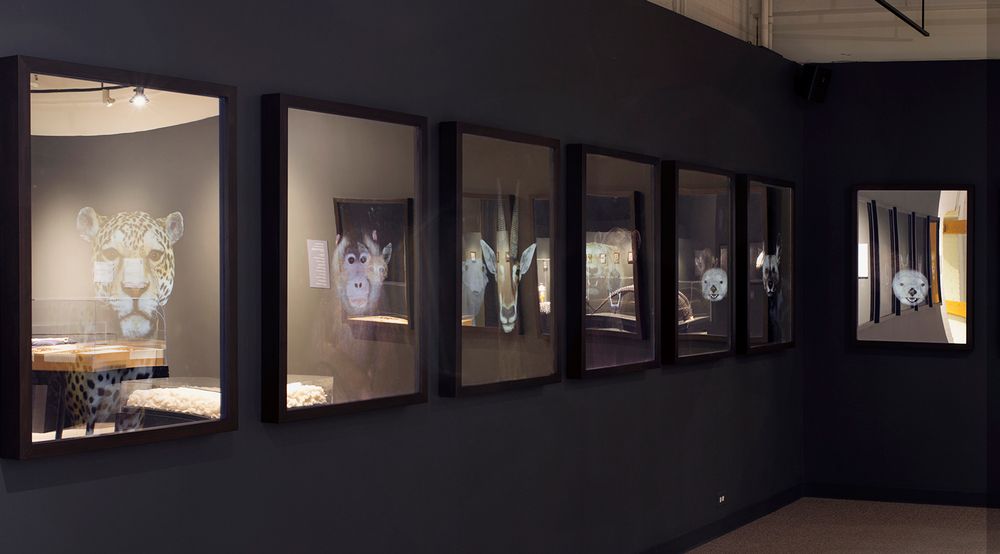
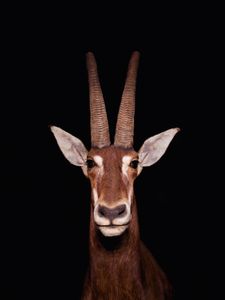
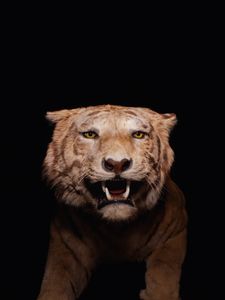
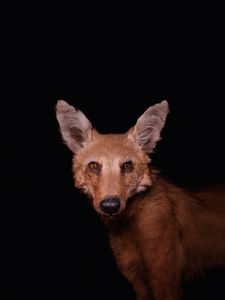
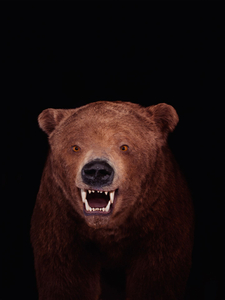
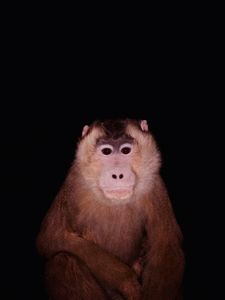
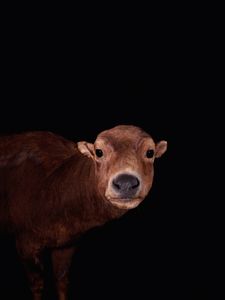
Using the empathic gaze as the central concept in the work, the Next of Kin portraits were created in response to the pressing topic of the biodiversity extinction crisis. The 30x40 inch kinetic light boxes are made up of portraits taken of taxidermied specimen of endangered species from collections on display at the Harvard Museum of Natural History. These large-scale reflective portraits of threatened animals amplify our connection to the subjects through an enforced (literal) engagement of the viewer with the topic.
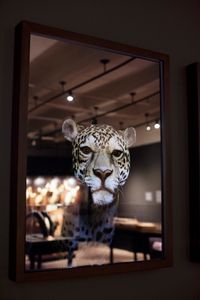
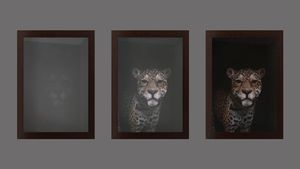
Isolated in front of a dark background with each animal’s “face” centered in the frame, the portraits have been taken from an angle that give the sense that the animals are looking straight at the viewer. These images, printed as Duratrans, are set into light boxes that are fitted with a two-way mirror as their front panel. When the light boxes are turned low the set of framed pieces acts as a hall of mirrors. As the light boxes change, programmed to brighten slowly so that the evolution is barely perceptible, the faces of the animals beneath reveal, first register as a trace or ghost, and then slowly brighten to replace the face of the viewer. They then cycle back down.
The mirroring effects of the works play out metaphors that point to the edge of a great loss we are now entangled in and the pieces work to engage the viewer directly in this discourse as they see themselves replace the images of the species depicted as the animals faces fade. The set aims to build an emotional bridge between viewer and subject, art and science, and a considered look at the fate of our next of kin in the animal kingdom.