Mirrors of Truth - Daguerreotypes for a modern world.
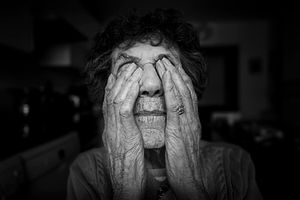
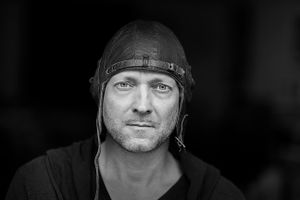
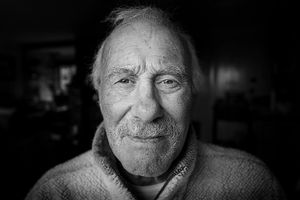
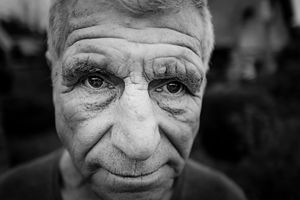
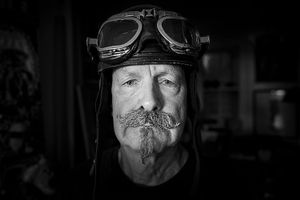
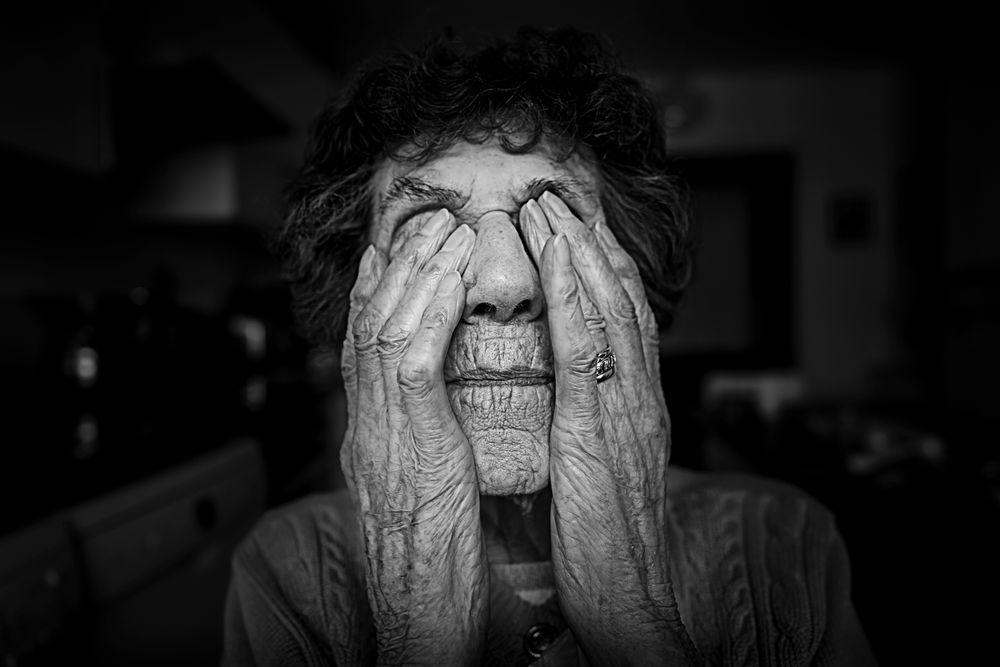
In 1837, French artist, Louis Jacques Mande Daguerre perfected an early photographic method which he called the Daguerreotype. The process involved treating silver-plated copper sheets with iodine to make them sensitive to light, then exposing them in a 'camera' and developing the images with warm mercury vapour. The results were striking: detailed black and white images presented on thin sheets of metal, framed in wood and embossed with fine leather. Portraits could be achieved relatively quickly which led to a huge boom in people having their likeness 'taken'. This coincided with the American gold rush era and the daguerreotype was there to document that incredible period in a highly distinctive way. Daguerreotypes were seen as mirrors of truth. People of the age thought these detailed, brilliant pictures revealed the subject's soul. I am striving to emulate this look, digitally, with modern equipment. Portraits today are often throwaway, ephemeral and a visual document of a mood or moment, quickly replaced by another. Then another. We live in the age of social media; the 'selfie'. People are not accustomed to viewing photographic portrait of themselves which show, in minute detail, what they look like. The original daguerreotypes enthralled people with their stark, uncompromising detail. This on-going project is in part an attempt to slow people down and ask them to view a portrait like they would a landscape; to pore over a subject and read the story embedded in the face before them. I am also exploring the way daguerreotypes bring people from the distant past back to life. The faces belong to people long-since deceased. And that information lives inside the pictures. The intensity of the faces; solemn, unsmiling, intense. Henri Cartier-Bresson said: "As time passes by and you look at portraits, the people come back to you like a silent echo. A photograph is a vestige of a face, a face in transit. Photography has something to do with death. It’s a trace." For me, Daguerreotype portraits serve to bring those people back to the present. They can be a jolting reminder that a person was once right there in front of a photographer's camera. I have found that people are not accustomed to this type of photographic portrait. It is unforgiving, uncompromising and literal. But the results resonate with the people I photograph. They stop to look. They slow down and study the face looking back at them. For each subject, this is what they look like. My intention with each portrait is to provide a document of what each person looks like at this precise point in their life. Like the original Daguerreotype portraits: mirrors of truth.
No categories selected
Photos (5)