Cuba - Blowing Wind of Change
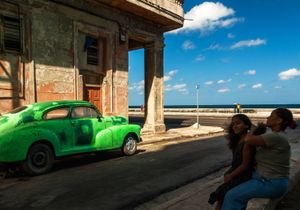
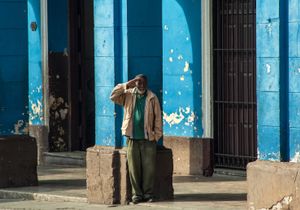
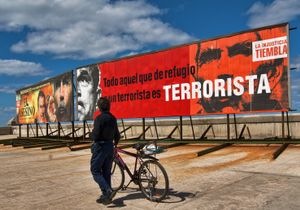
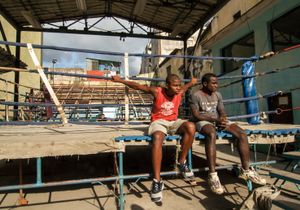
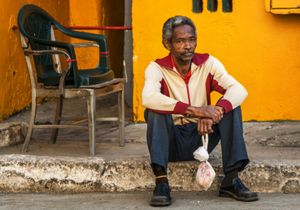
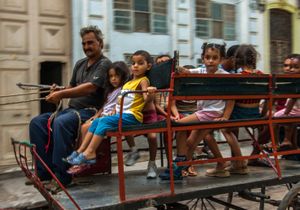
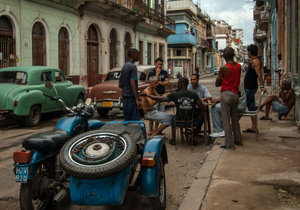
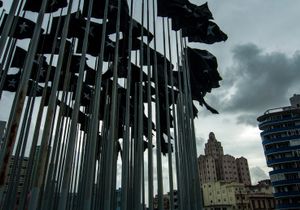
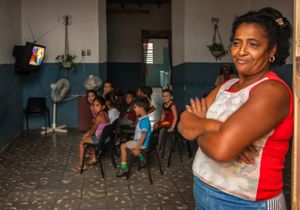
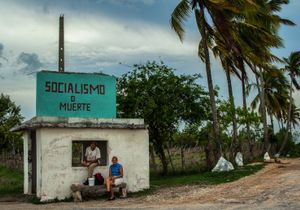
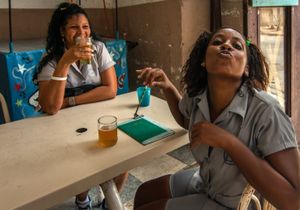
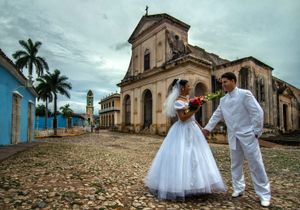
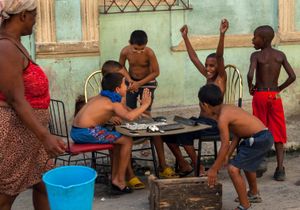
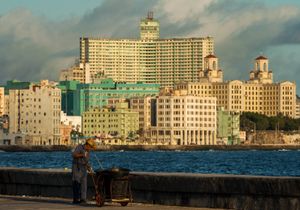
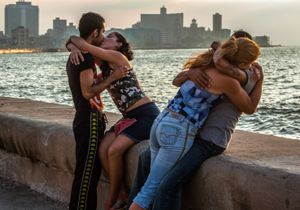
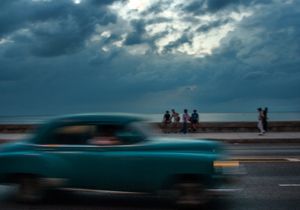
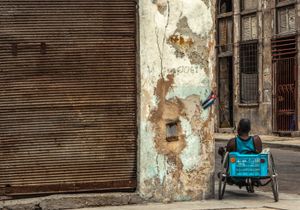
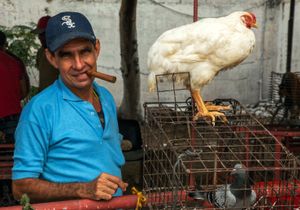
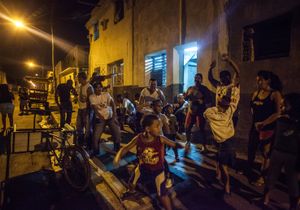
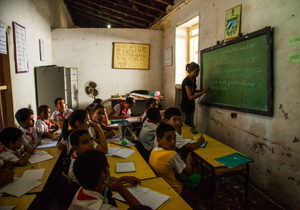
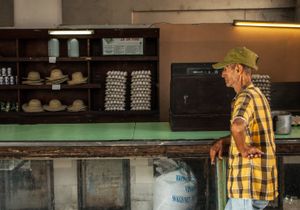
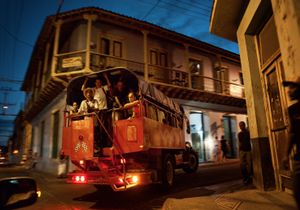
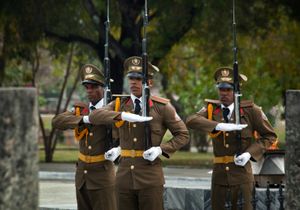
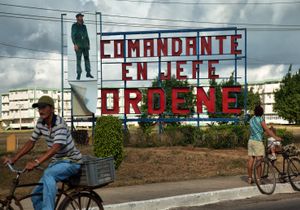
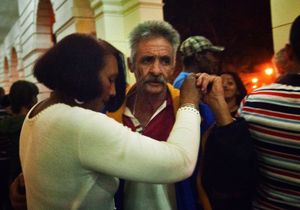
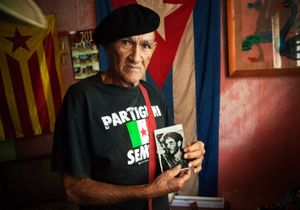
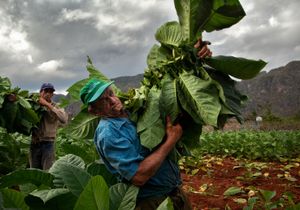
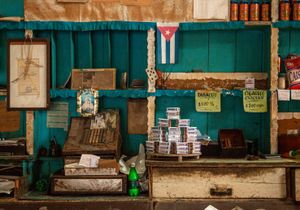
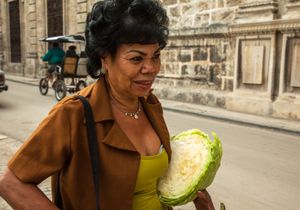
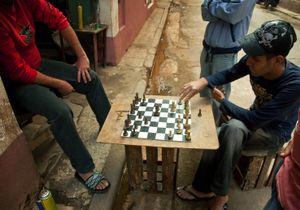
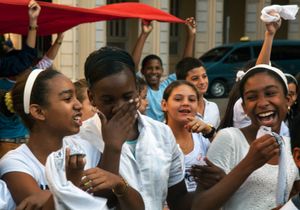
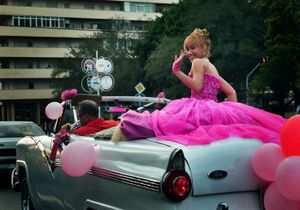
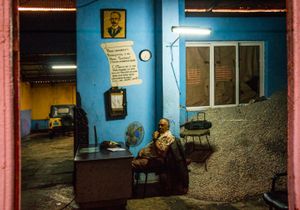
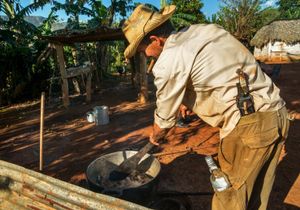
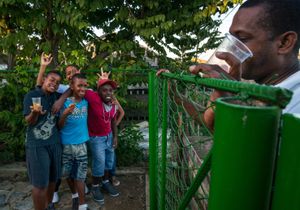
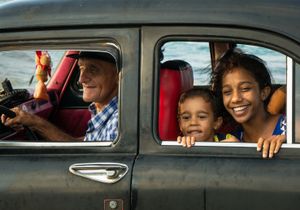
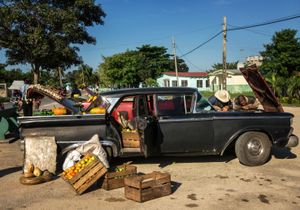
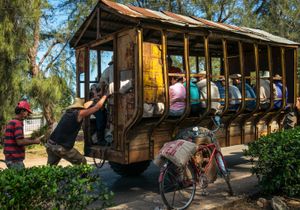
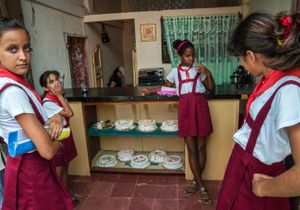
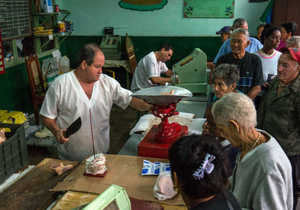
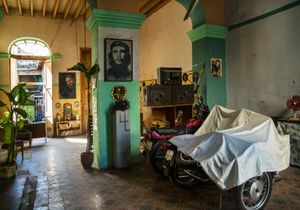
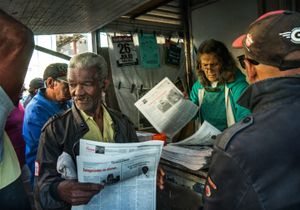
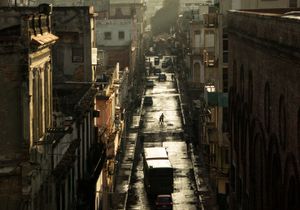
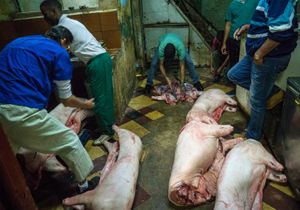
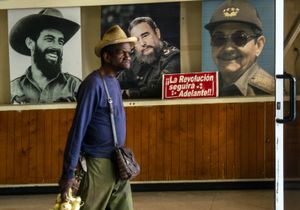
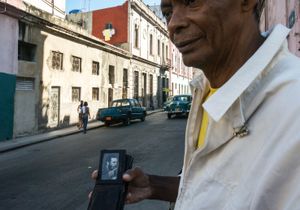
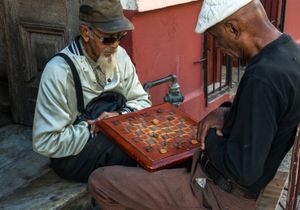
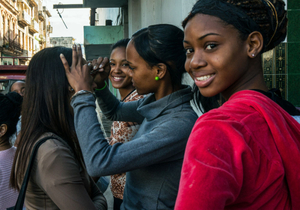
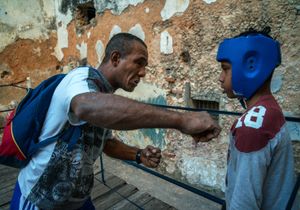
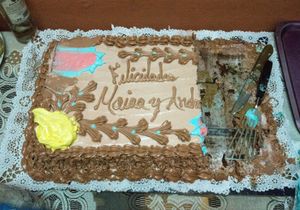
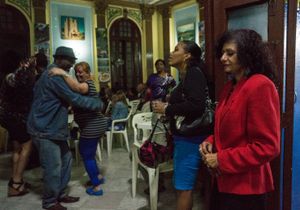
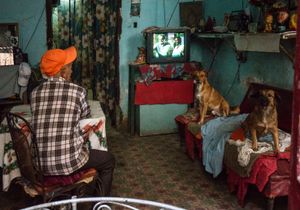
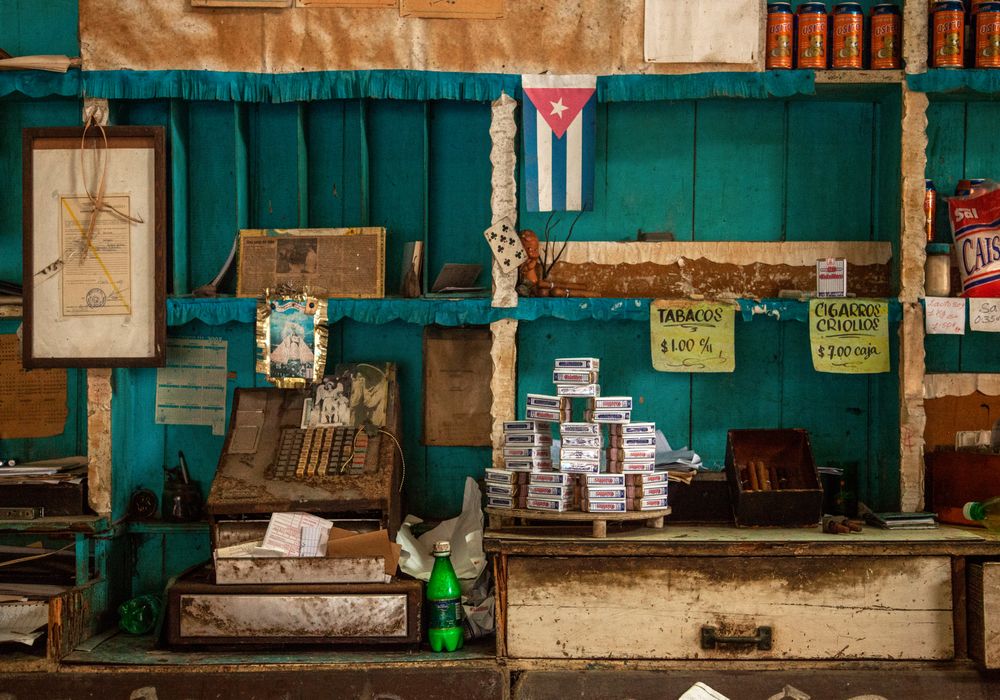
This is a photographic resume of my four trips in Cuba, done in an 8 year period (2006 - 2014) and from the perspective of the historical changes that started in 2006 by changing the power paradigm in the context of the entire thawing of relationships with the USA. These are images of everyday people in their survival struggle of daily life, about freedom, hopes, humanity and bravery. Of all the places I've seen, Cuba has been and is like my second home. I know the Havana streets as well as those of Bucharest. I crossed the island from one side to the other; I met infinitely diverse folks - from street sweepers, fishermen and other simple men to social figures, artists, doctors or professors. I made friends in almost all the places I've seen, I lived in their homes, partied at their anniversaries, they shared some of their hopes and dreams and I lent some of my experience as a friend and citizen of a faraway land who has lived similar traumatic times due to regime change. I've made my first trip to Cuba in January 2006, under the influence of my lifelong fascination for this country. What I found was an extraordinary country blessed with riches that speak about a glorious past. Impoverished at home and isolated abroad since 1962, “el bloqueo” has created a kind of time capsule. Living under a centralized economy with limited international trading opportunities taught people real survival skills. Cubans learn to make do without some basic commodities and find creative solutions to life’s everyday challenges. The everyday life is a heroic epic and household items are diverted from their normal functioning, to ensure the survival or the escape. I rushed to reach Cuba before things would change forever, but what I didn't know then was that the winds of change had already begun to blow. And that has already become obvious in 2007 when I got back here. On July 31, 2006, Fidel passed power on a provisional basis to his younger brother Raul Castro, after undergoing emergency surgery. The transition has started and speculations on what is going to happen are flowering. In 2011, I visited the island for the third time. Fidel Castro’s retirement from presidency was official. Raul Castro declared that he intended to launch economic reforms, but that he would not swerve from the road of socialism on which the priorities would be meeting the population’s basic needs. The reforms included allowing individuals to cultivate unutilized plots of land, permitting self-employment in a wider range of activities, relaxing restrictions on operating private restaurants and room rentals, and allowing Cuban citizens to buy and sell homes. In January 2014 I made the 4th travel to Cuba. The Pandora's Box was already open, so things began to change increasingly faster. The communist regime is at a crossroad. Far from being stuck in the past, Cuba must hurry to keep up with an ever changing world. After decades when they've been on the brink of the global community, Cubans may finally prepare to take their place in a mainstream, allowing their isolation to wash away and celebrating all their fabulous island with the rest of the world. This is an ongoing project. I will surely return to Cuba to my friends who, the less they have, the more they will give and the more they will worry for the future, the more they will laugh, sing and dance.
No categories selected
Photos (52)