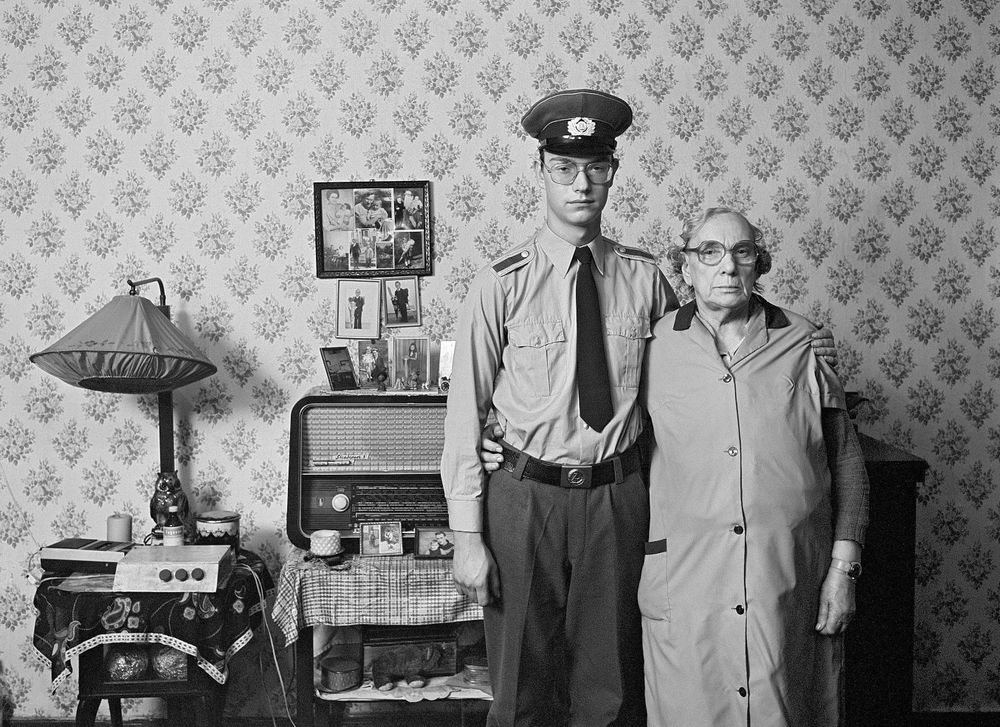

Harf Zimmermann Hufelandstrasse 1055 Berlin
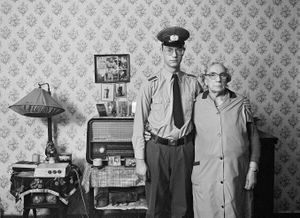
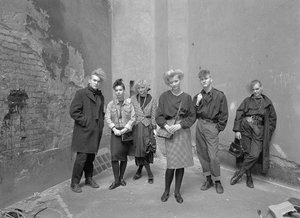
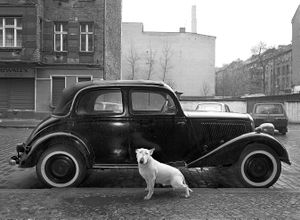
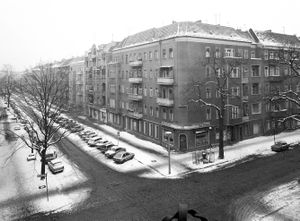
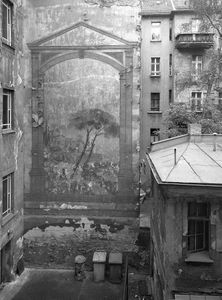
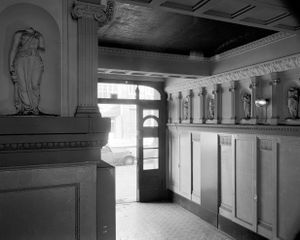
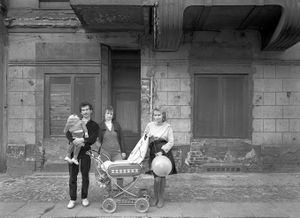
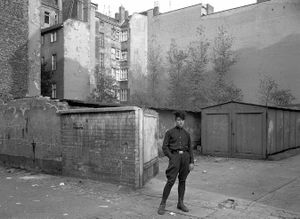
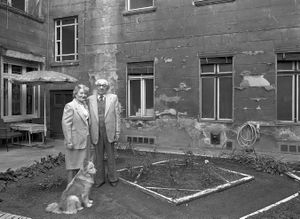
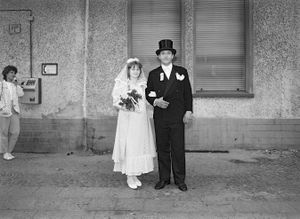
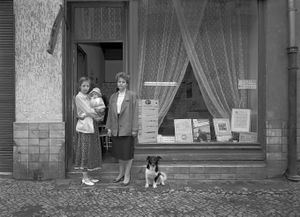
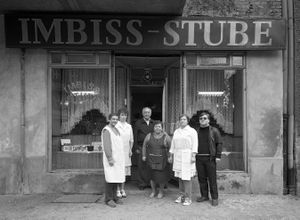
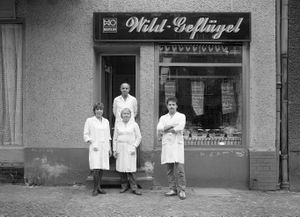
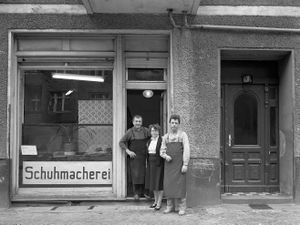
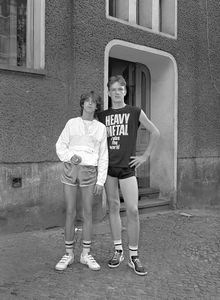
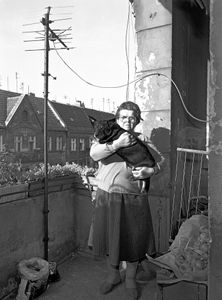
Just one kilometer in length, with 49 beautiful houses from the Gründerzeit period, two post-war buildings and a single modern one from after Reuni cation, a playground, old cobble-stone streets, superb plane trees and broad sidewalks—Hufelandstraße, planned and built by a brewer, stretches from Greifswalder Strasse to Volkspark Friedrichshain through the so-called Bötzowviertel, the neighborhood named after the same brewer. In the mid-1980s, I portrayed my street and its people with my large format cameras from the 1930s. Over the course of a year, I went from house to house, resident to resident, and store to store to capture the special characteristics of the quarter nestled in postal code NO 55, later changed to 1055. In the middle of the East German capital, I discovered an enclave of bourgeois middle class: spacious pre-war apartments, generously adorned foyers, double doors and parquet as well as small family-run shops and workshops. Beyond glorifying nostalgia and retrospective wishfulness, my reserved, but in no way passive, documentation of the “Kurfürstendamm of the East” with its architecture and people is a unique witness to socialism on the eve of its collapse.
No categories selected
Photos (21)