At the far north western part of the Medina region, Saudi Arabia, stands the cities of Al Ula and Mada’in Saleh. At the crossroads of Arabic peninsula, Syria, Mesopotamia and Egypt, in the Valley of Villages (Wadi al-Qura), these cities stand on the path of the caravans that has taken for millenaries, especially for the incense roads.
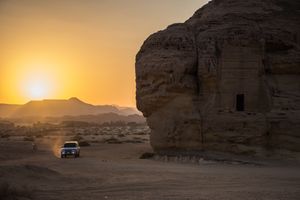
The area is a desert, made of gigantic rock structures that would fascinate any geologist. The width of the road just underlines how empty it is, and how isolated is this area. Kingdom of Dadan, Lihyanites, Nabateens have occupied this area, and their works can still be admired in this world Heritage area, (the first one of Saudi Arabia).
Lihyanites carved their “library” on the rocks at the mountain of Ikma. They also built the Lion’s Tomb, on the side of the mountains, where we can still admire them in the site of Al-Khuraibah.
The Nabateens, known for the world famous archaeological site of Petra, also carved funerary monuments inside the rocks of this desert. One of the most visual is Qasr Al Fareed (the Unique) which stands alone.
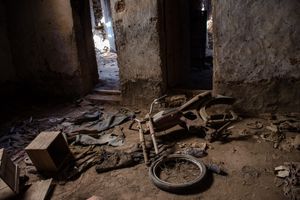
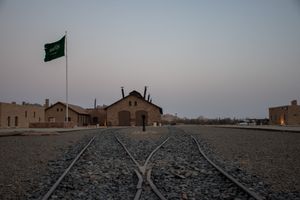
Then came the road for the pilgrims to Mecca, Al Ula shows a unique architecture of a XIIIth century city of this region and was built thanks to the stones of the city, and we can see some antiques writings on the walls of the houses. Very narrow roads and two floor houses allow the streets to have shadow in a region where the temperature can reach over 50°C in the summer. The building of a railroad, that can be still seen at the gates of Al Hijr site, to link Turkey to the Holy City is now useless with the development of the airplanes and the easiest solution of a flight to Jeddah.
If the road of the trade and the road of the pilgrimage have now evolved, the growing policy of the state of Saudi Arabia could bring more and more people to this isolated area of the world, in this sites which need both to be discovered and protected.