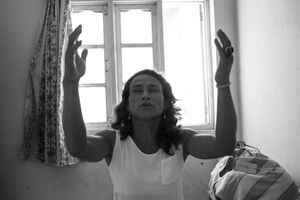
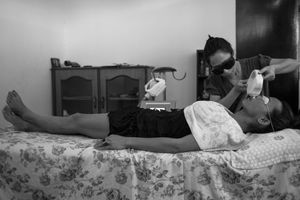
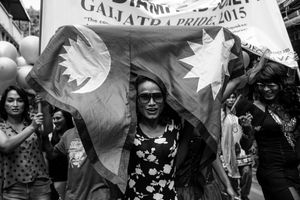
How is gender determined? Is it biological? For those like Nepali Monika Shai, the answer is a clear 'No'. Born a male into a Hindu family as Manoj Shahi, she did not see herself as a male in any way but felt trapped in her body. Growing up in a poor family far from Kathmandu also meant that her world was very small. Even though she knew from the age of 12 that she was uncomfortable with the traditional male roles and responsibilities, she assumed she was an anomaly, an oddity.
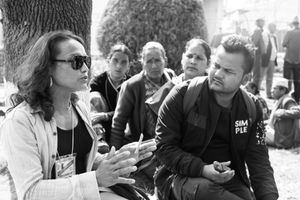
But contact with a national LGBTI outreach programme helped her to realise who she was and she found the strength to come out after ten years of living a lie. Although third gender has been recognised legally by the Nepal government since 2007, this has not altered traditional community attitudes, especially conservative Hindu communities where male and female roles are strongly defined. Hindu families expect their male children to participate in important lifecycle rites to maintain their caste position in the community, as well as marry well to continue their name and keep property within the family. Her family was deeply unhappy because her decision would result in extreme loss of face in their small community.
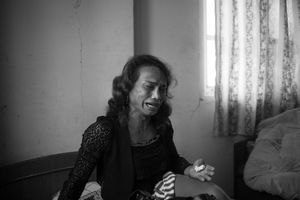
The social stigma is great and is endured by Monika daily. She knows only too well that people can be ignorant and cruel. Gender-based violence against transgender people is a severe issue in Nepal where violence against women is deeply entrenched. She has been ridiculed, taunted, bullied and even threatened and beaten. But Monika lives her life being true to herself. She is waiting for society to be true to her.
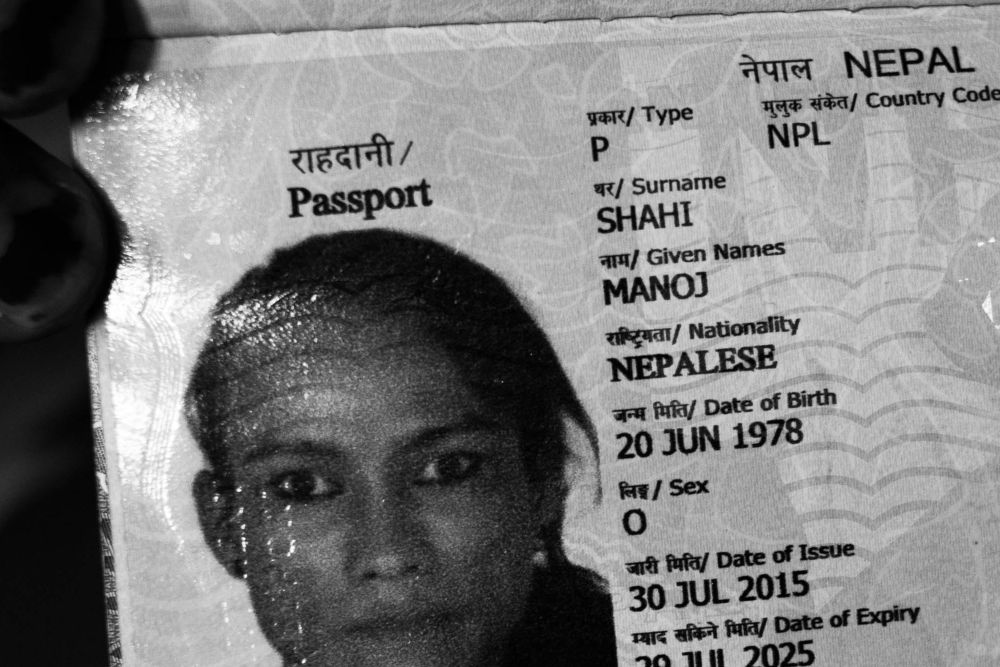
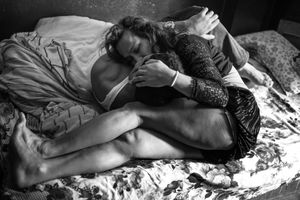
Monika hopes she has found lasting love with Nath, a straight male, who has decided to tie the knot with Monika. According to Nath, he sees Monika as his true partner. The Government of Nepal issued Monika the first passport in the world which lists her gender as 'O' for 'Other'. However progressive this may seem, Monika and Nath’s wedding this year is not legally recognised and they still do not have the rights of other married couples.
This photo essay is my tribute to Monika’s bravery and others like her. I have been following her story since 2015. Beneath the identity of male, female or other, every human being deserves to be treated with respect, and have the right to realise their full potential. People like Monika are like you and me. Underneath the veneer of the female form is a heart which beats, which can be broken, and which yearns for love. Monika does not want pity. She just wants to be treated as equally as everyone else.
And as i've been ' following ' her for my photo series 'the others' from the begening of 2015 till today. This photo essay is my tribute to the bravery of Monika and others like her. Beneath the identity of male, female or other, every human being deserves to be treated with respect, and to be given their rights to realise their full potential. Underneath the veneer of the female form is a heart which beats, which can be broken, and which yearns for love. Monika does not want pity. She just wants to be treated equally like everyone else