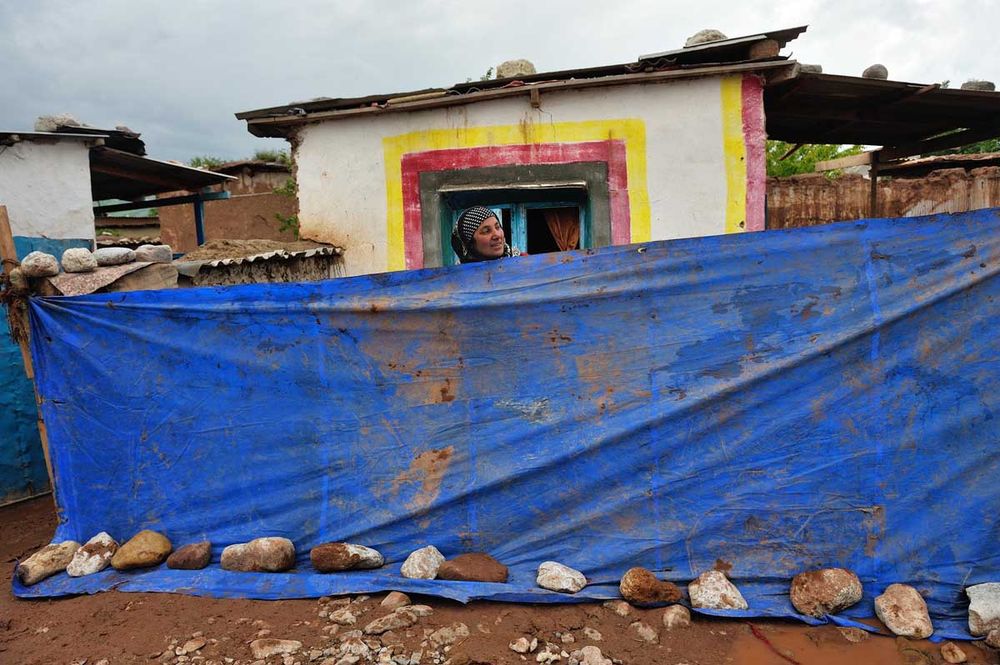
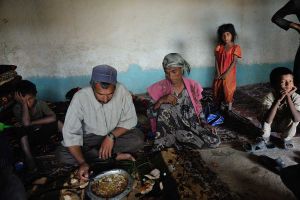
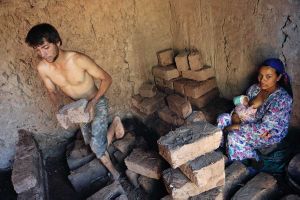
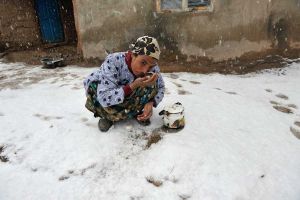
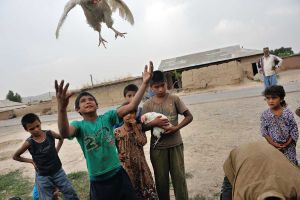
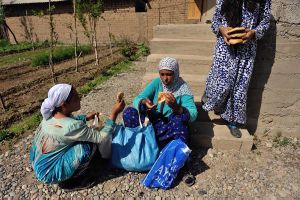
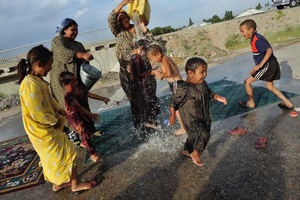
Dzhugi is the name of the Gypsies of Tajikistan. Dzhugi originate from India, just like European Gypsies. Their ancestors came to Central Asia during the first centuries AD. Over the time these people almost forgot their original language. All Gypsies speak the language of the place where they live. Dzhugi learned Farsi, converted to Islam, changed their clothes and culture. Today the traditions of Tajik Gypsies are very similar to the customs of Tadjiks. And Dzhugi call themselves Tajiks. But the Tajiks of Persian origin do not want to recognize the Dzhugi as equals. Gypsies are the second or third rate people for them. No one will offer Dzhugi a good job. Even if Dzhugi and Tajiks work together, the Tajik gets paid twice as much as the Dzhugi.
Gypsies have always been a wandering people, an outcast people and had different names: "lyuli" in Uzbekistan, "dzhugi" in Tajikistan. "When God gave out their share to people," one of the legends says, "they were sleeping deeply, and when they woke up they realized that they had been left with nothing." "How can we live further?" They asked the God. "Your share already belongs to others, go and ask for it. "The word"jugi" just means "a person in search".
From early morning, women with children leave to ask for money, bread, food, etc. They call it work. According to the gypsy tradition, the woman-jugi is the breadwinner. They say that before, even there was a wedding ceremony of bringing the vow of the bride to feed and keep the family until her last breath. Perhaps, therefore, gypsy women are more free than other Tajiks. They can sit at a common table with men and do not cover their faces with a handkerchief from others' eyes.
However, begging is only one of the ways of existence of the Dzhugi. Livestock breeding, namely bull breeding, feeds well almost every family. A young calf is like a valuable asset, which will accumulate in interest in a year and a half, if it is well fed and not allowed to walk.
Dzhugii get married at a very young age. Girls from 11 years, guys from 15 years. But weddings are rare. Usually a girl just runs away from home to her chosen one. So the gypsies save on wedding expenses. But any dzhugi on the last money organizes a holiday on the occasion of the Now the Dzhugi are strongly discriminated by ethnic Tajiks. They do not have schools and hospitals. Men can not find work. Ecological and social problems of the Dzhugi do not bother anyone.