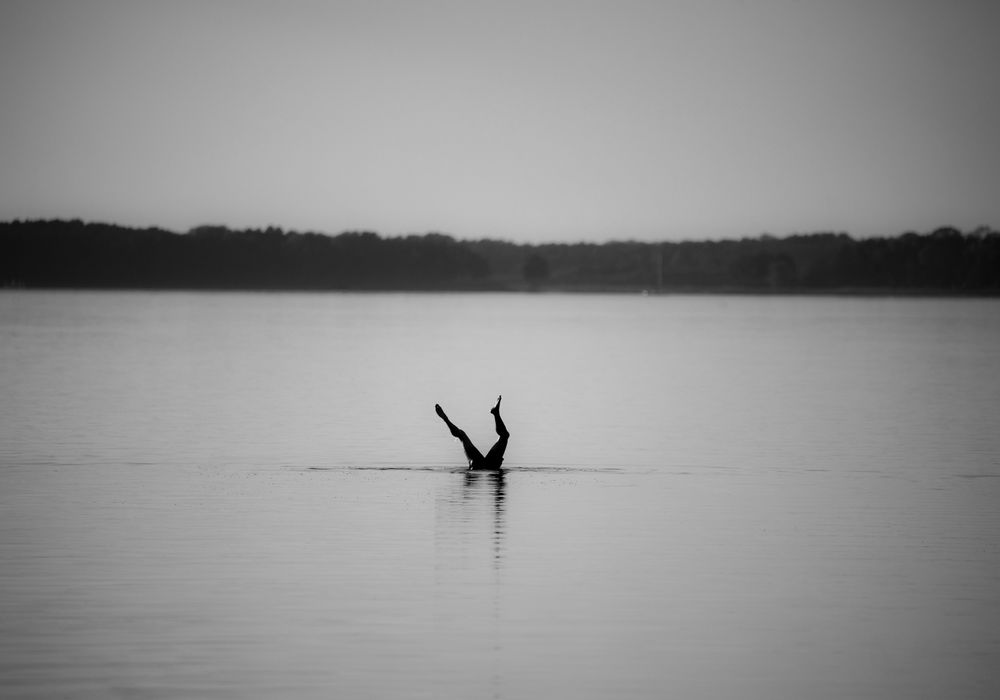

My Lake Is Missing
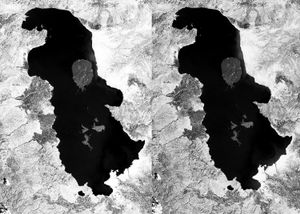
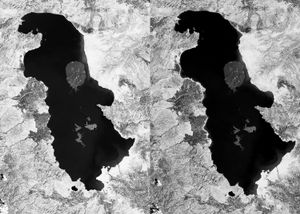
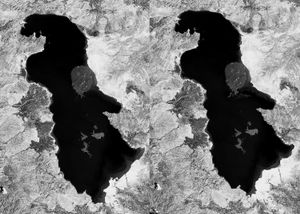
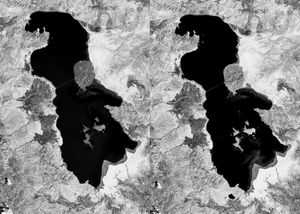
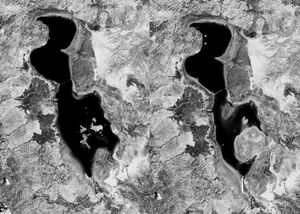
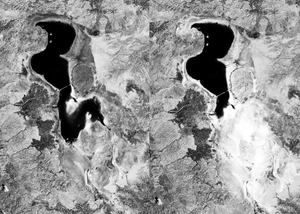
Lake Urmia is the name of a lake in the northwest of Iran. Lake Urmia is the largest domestic lake in Iran and the second largest lake in the world. In the ancient Persian language, this lake is called Chichest, meaning brilliant (due to the mineral salts found on the beaches as crystals), and it is said in the Turkish language of Urmo Gullo. Based on the biodiversity list of the Urmia Lake National Park in 2014 and 2016, Urmia Lake National Park accommodates 62 species of bacteria and arkoebacter, 42 species of microscopic fungi, 20 algae species, 311 plant species, 5 species of mollusks, two islands (islands rivers) , 226 species of birds, 27 species of reptiles and amphibians and 24 species of mammals. Lake Urmia is one of the important habitats of the "Artemia". This hard skin is one of the main sources of feeding migratory birds, including flamingos. Earlier in 2013, the chairman of the Center for Artemia Studies at Urmia stated that Artemia was extinct in the lake. The lake has dried up since the mid-1380s and is now in danger of drying out. Surveying satellite imagery shows that in 2015, the lake lost 88 percent of its area. The above-mentioned content is accessible with the first Internet search, but alas, this lake becomes a legendary book among books. And now they are taught in textbooks from other countries as a prominent example of land degradation documentation on this planet. And the name of this lake will be a fabulous narrative for generations to come!
No categories selected
Photos (12)