3. Tokyo: Houses of Hope in the Low City (114 photos)
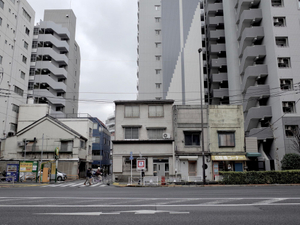
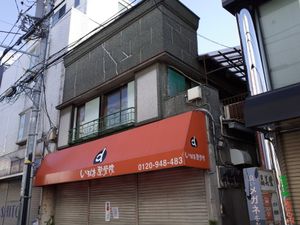
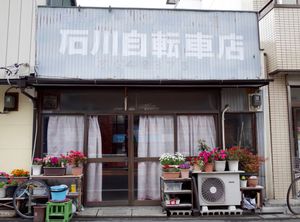
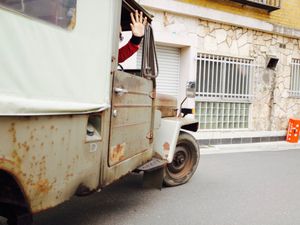
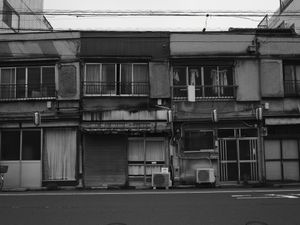
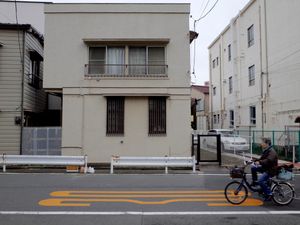
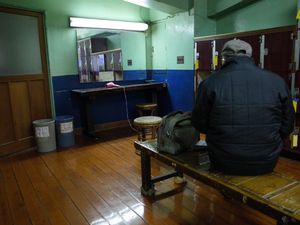
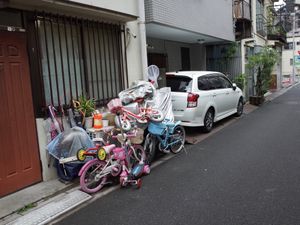
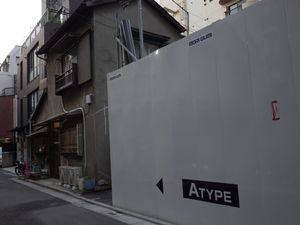
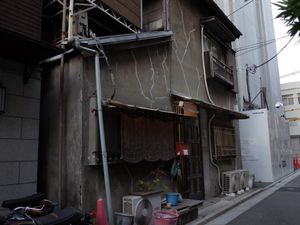
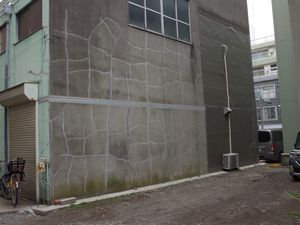
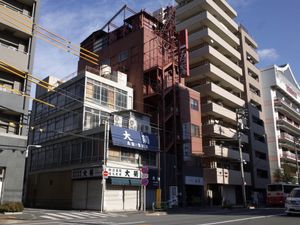
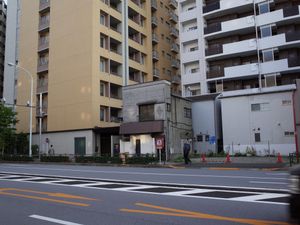
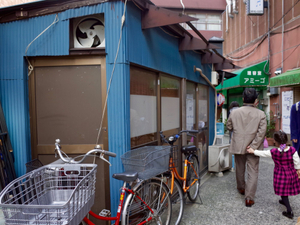
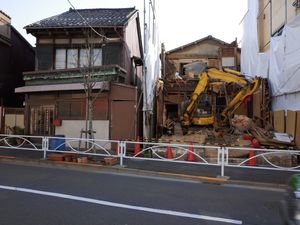
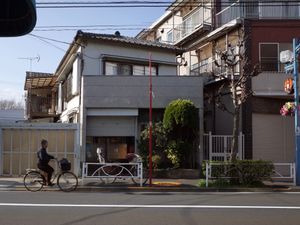
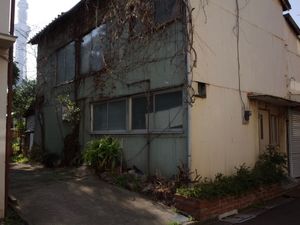
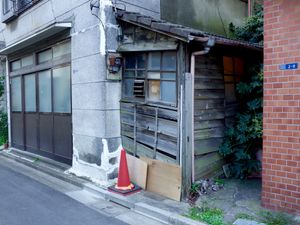
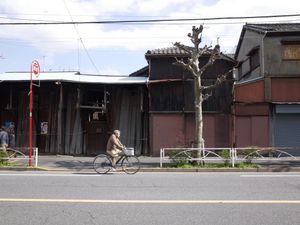
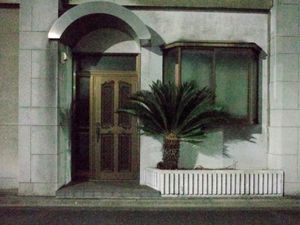
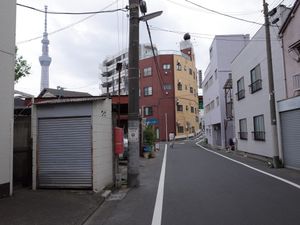
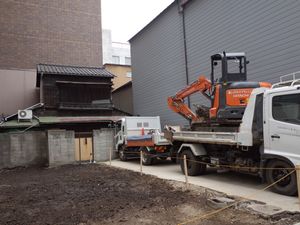
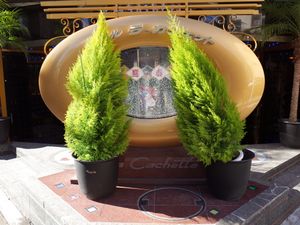
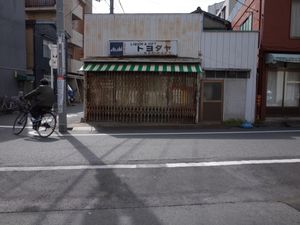
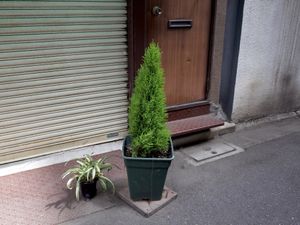
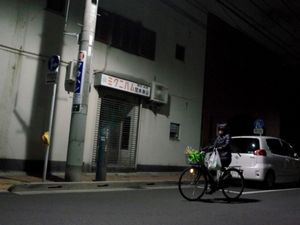
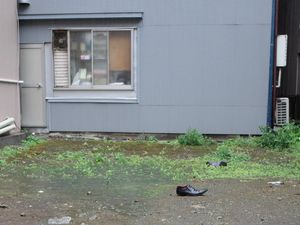
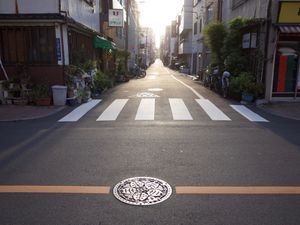
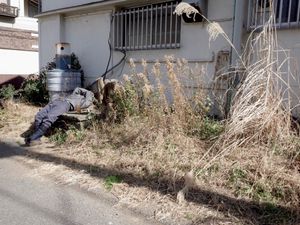
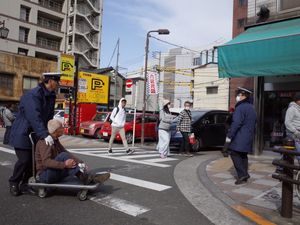
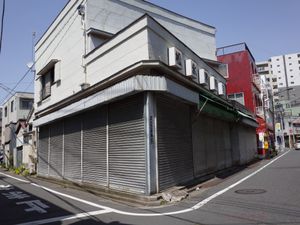
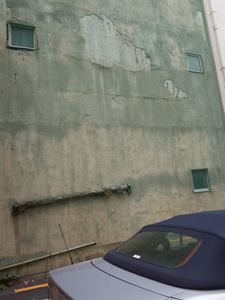
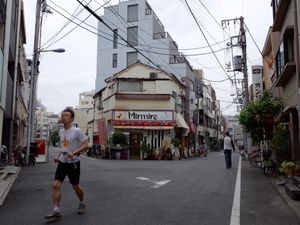
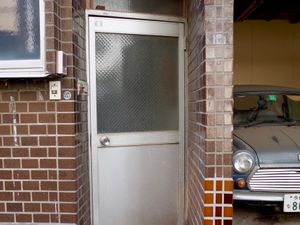
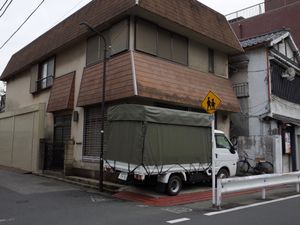
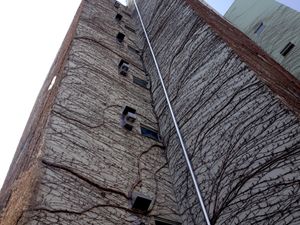
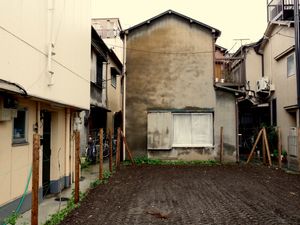
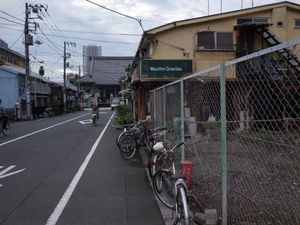
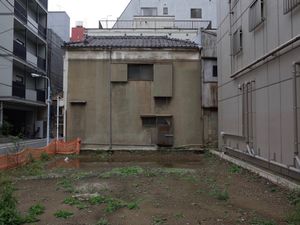
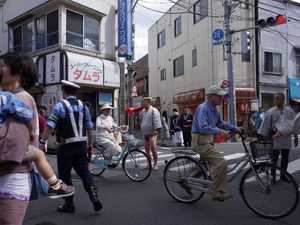
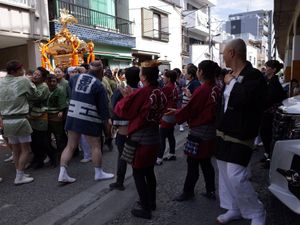
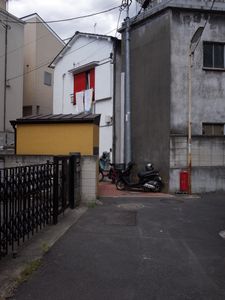
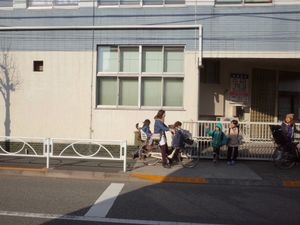
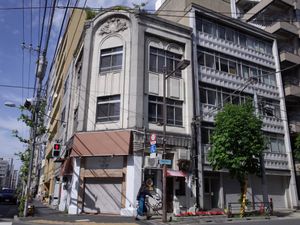
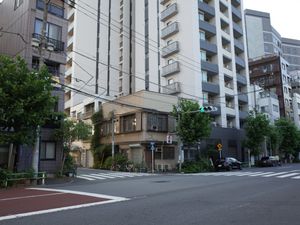
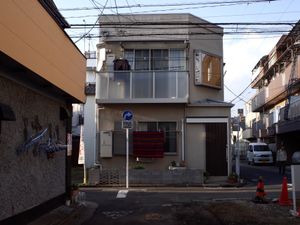
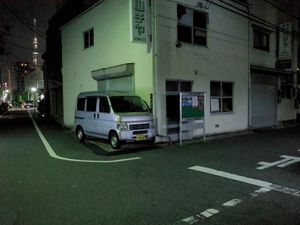
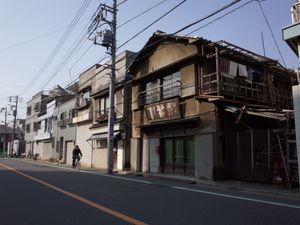
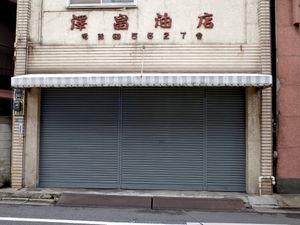
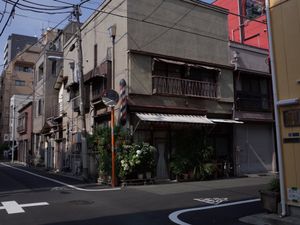
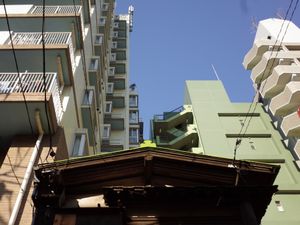
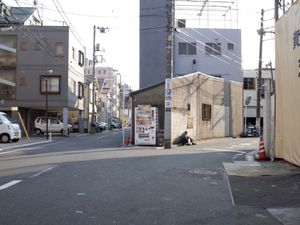
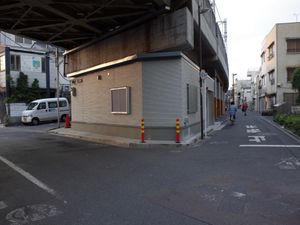
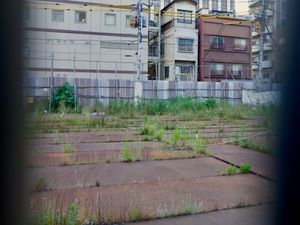
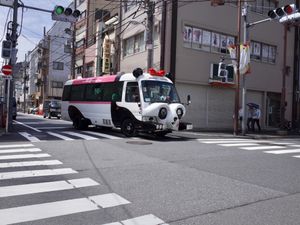
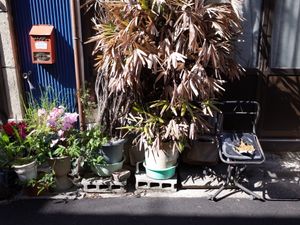
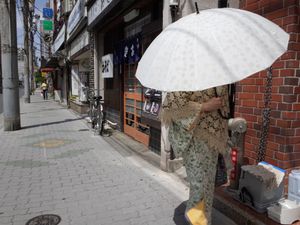
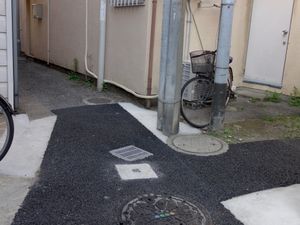
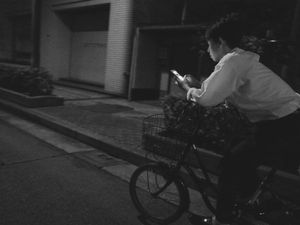
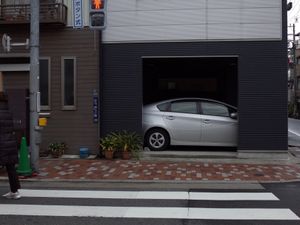
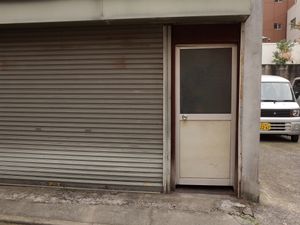
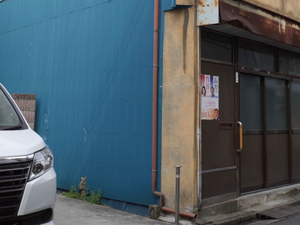
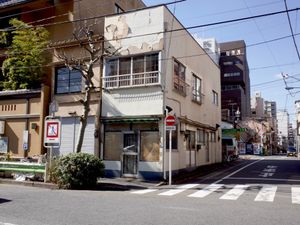
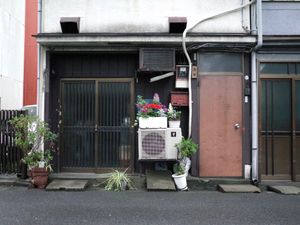
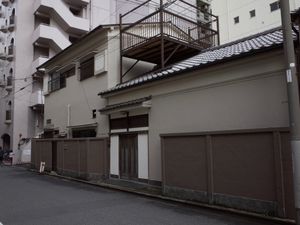
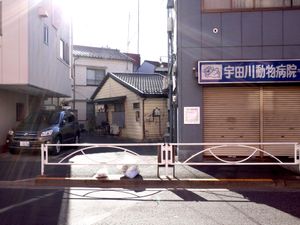
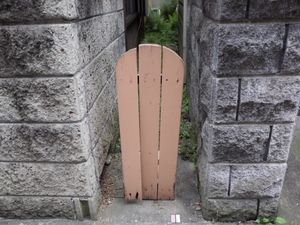
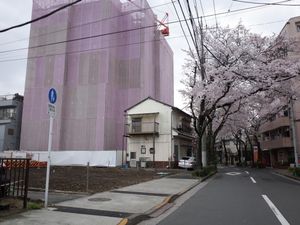
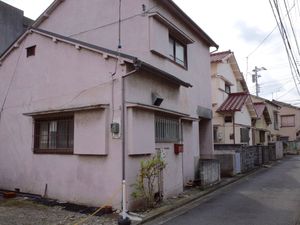
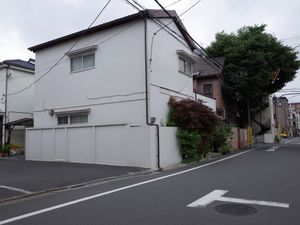
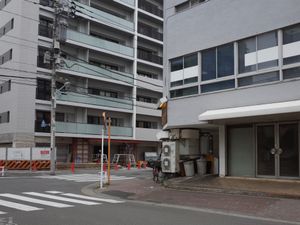
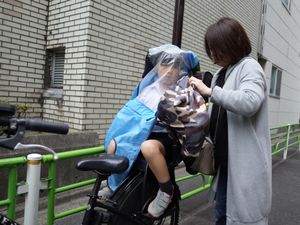
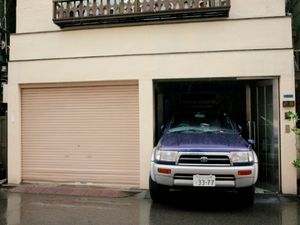
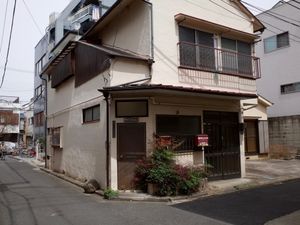
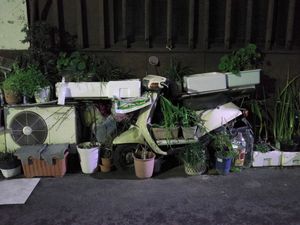
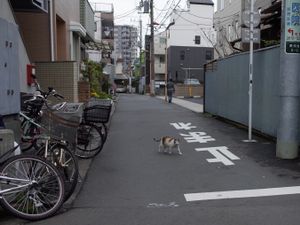
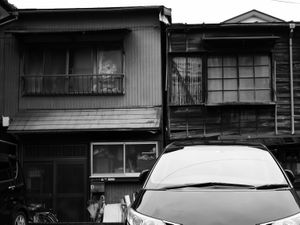
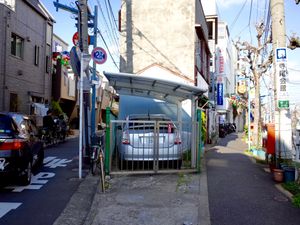
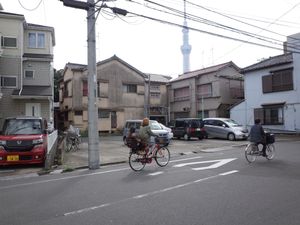
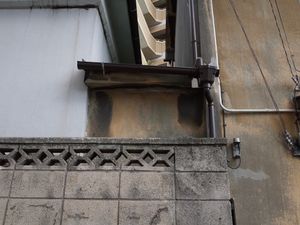
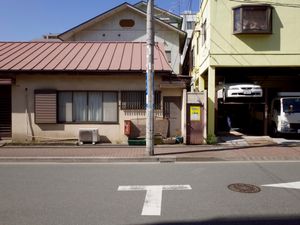
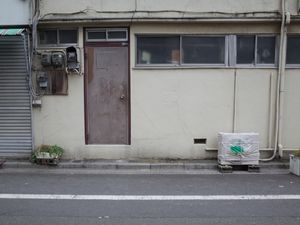
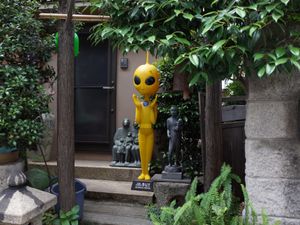
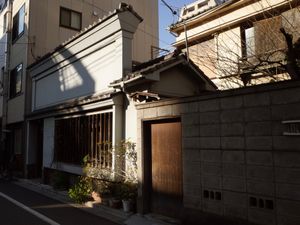
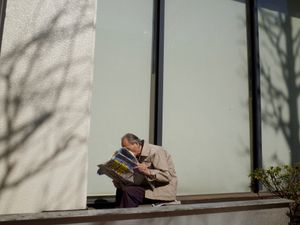
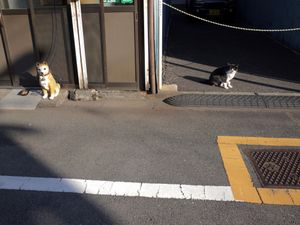
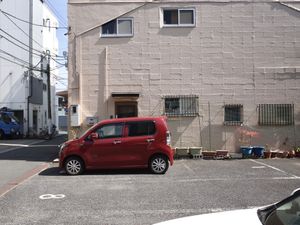
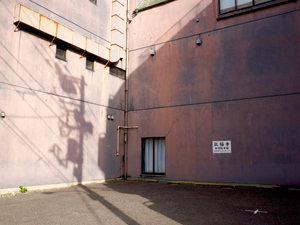
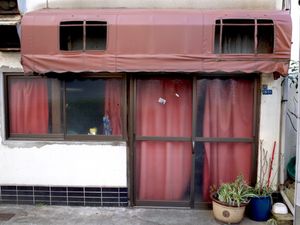
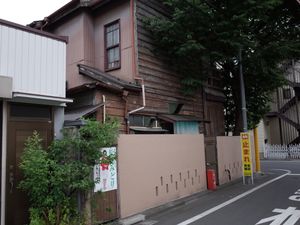
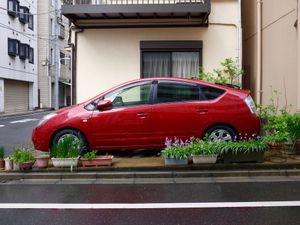
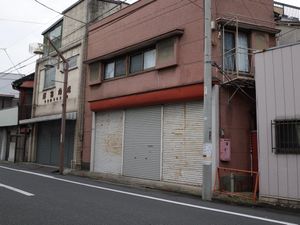
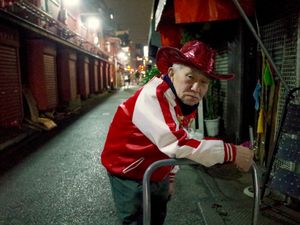
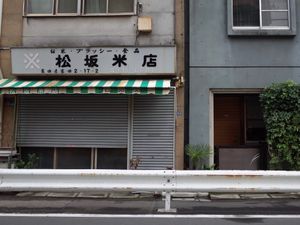
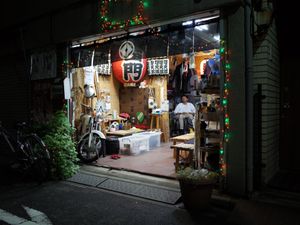
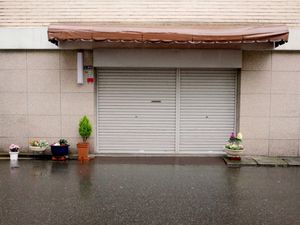
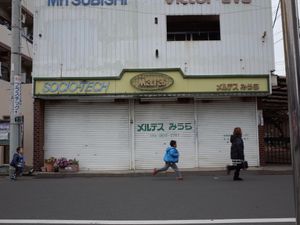
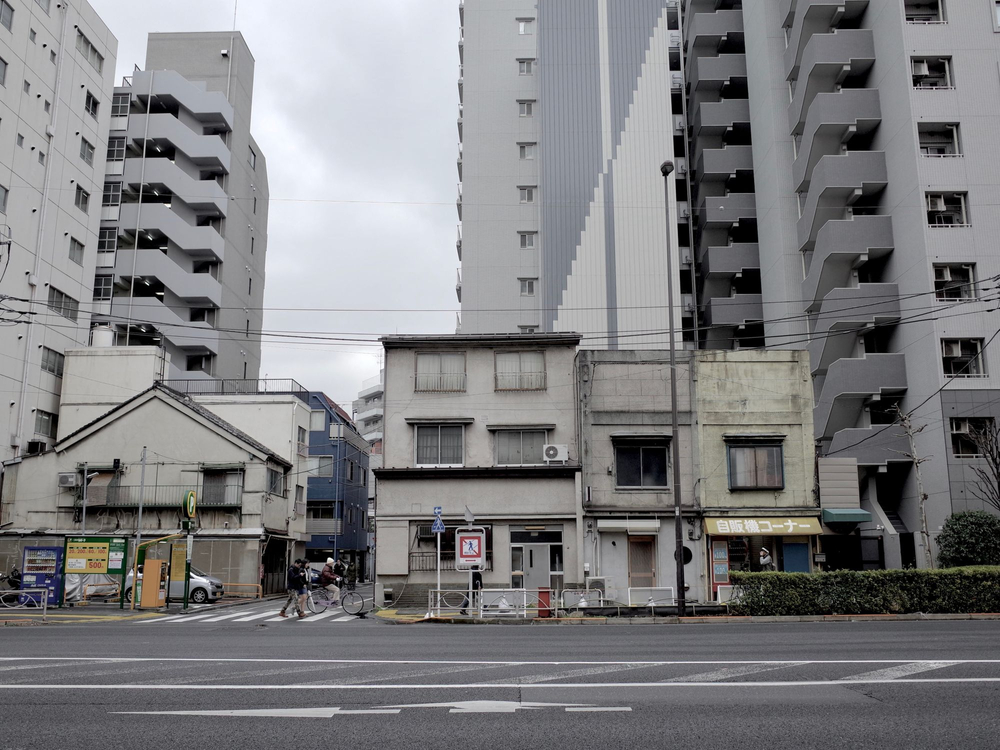
The low-lying (shitamachi) districts of Tokyo are less-than-affluent, scrap-and-build mixed residential and industrial. But if in some ways they're down-at-heel, they're also well kept. Intersecting and overlapping planes of low rise buildings, resourcefully held together, and a distinct quality of light create unique geometries. The blurring of private and public spaces contributes to a communal and human-scale atmosphere. (Following essay is from intro to #1) TOKYO INSIDE OUT CITY Here by the river in Asakusa, east Tokyo, the low cost houses show character traits that would be considered great assets in people: adaptability, stoicism, determination, energy. The wooden frames clad in tin, timber or mortar can easily be knocked down or fixed up — ideal for precarious living in a disaster-prone city. At night when everyone is in bed, I walk the black velvet backstreets through pools of streetlight. Impermanence and fragility make the buildings seem alive. You can almost hear the structures breathe as they study you with glimmering window eyes. In daylight you can see how they are canvases for dreams; evolving and expanding through ad-hoc extensions and creatively devised spaces to fit bicycles, cars, air-con compressors, kids’ toys and partly hidden rooftop sheds behind “signboard" facades. Deep red and blue tiles cover angular 1960s-style office and factory blocks. Former brothels and mama-san bars show flourishes of Western design: curved art deco corners, stucco finishes and other faux-Spanish touches as well as multi-coloured mosaic pillars. Birds chatter so loudly from the roof of one century-old verdigris copper-clad shophouse, I'm sure someone has built a full-scale aviary up there. Interior layouts are modular, the rooms generally measuring four-and-a-half or six tatami mats (roughly seven to nine square meters), and the houses configured with a do-it-yourself resourcefulness. They are small and light, with nothing over-engineered. External plumbing and wiring appear jerry-built. Front doors open directly onto the street, children play on the asphalt, and adults tend their pot-plants and fish-tanks on the pavement. You get a mildly disorienting sensation that the outside is inside and vice versa. During neighbourhood festivals, people will sit or lie prone on the road as they eat and drink. This inside-out life would be impossible without people trusting others. The streets are safe for everyone, and no one seems to vandalise public areas. People pull together; they have rebuilt after two disasters – the Great Kanto earthquake of 1923 and the US firebombing of March 1945. The low-altitude napalm raids killed 100,000 people in a single night. The houses built after the war rode a wave of economic growth and melded traditional design with a sort of sci-fi optimism fully expressed in the 1964 Olympics and Osaka Expo 70. They may be crumbling now, but they are still looked after. Cracks in the walls are filled and painted over so they appear like repaired tea bowls. Cracks in the pavements are weeded. People sweep outside their shops and homes and in the summer splash down the footpaths. Behind the rituals of daily life there is a looseness that surprises visitors who expect a more uptight and rule-bound Japan. There is an intimacy here, a sense of hope. ** Mark Robinson
No categories selected
Photos (114)