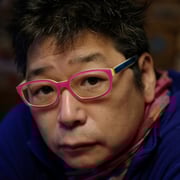
Kai: Following the Cycle of Life
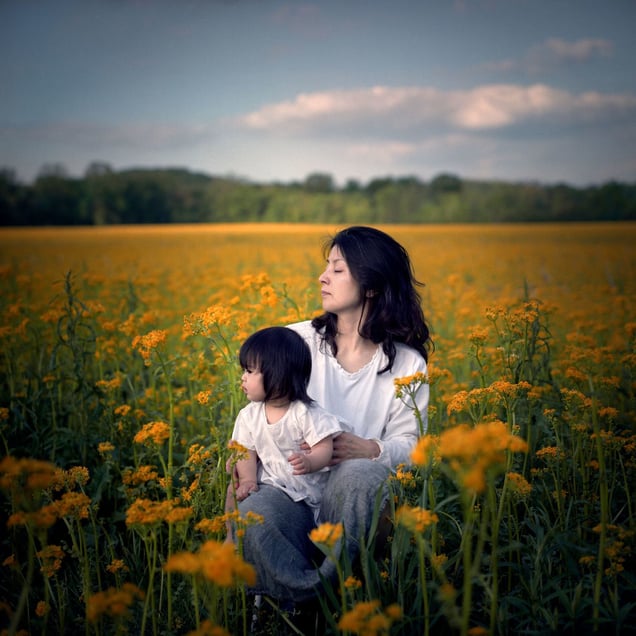
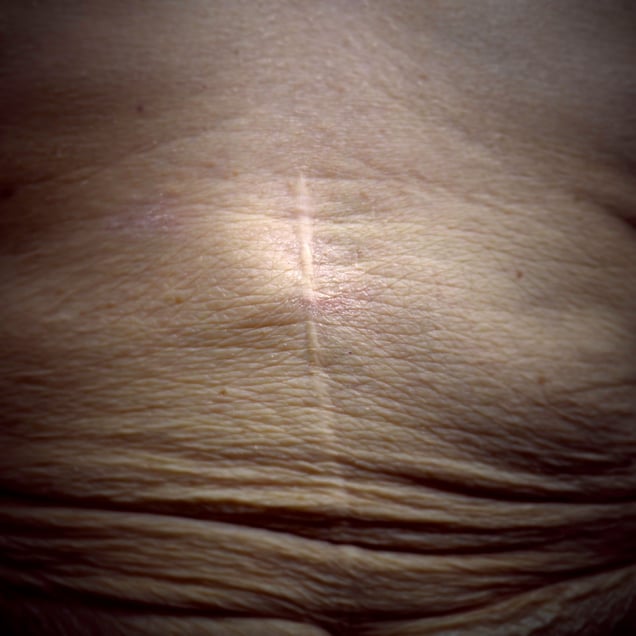
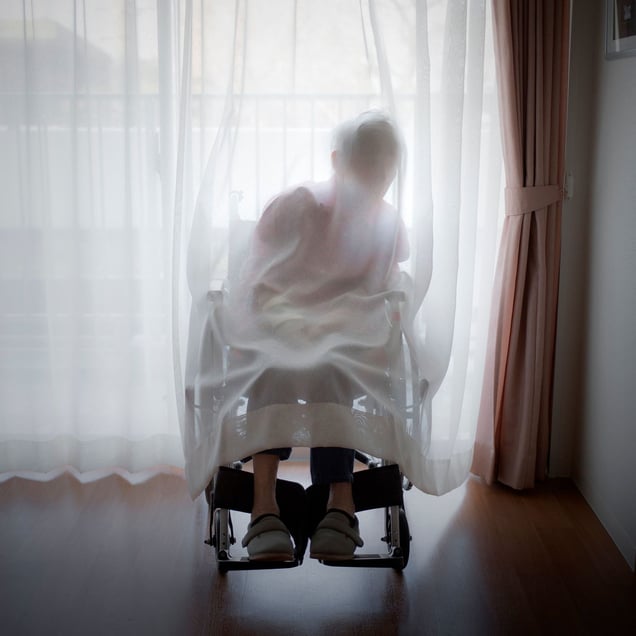
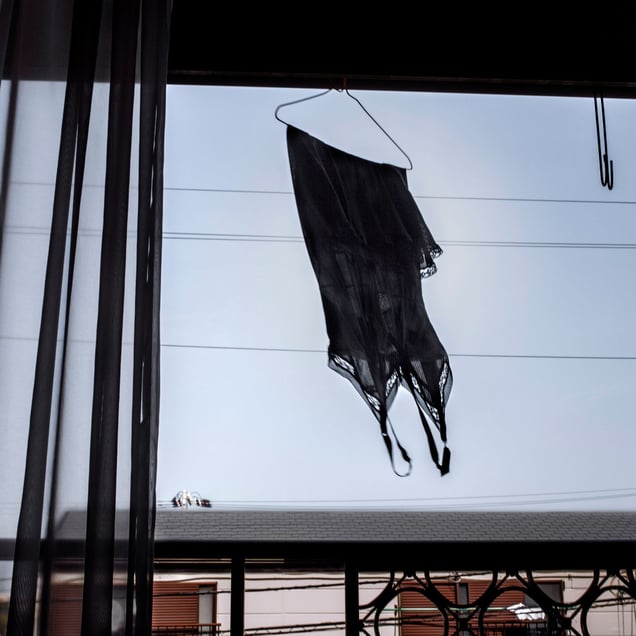
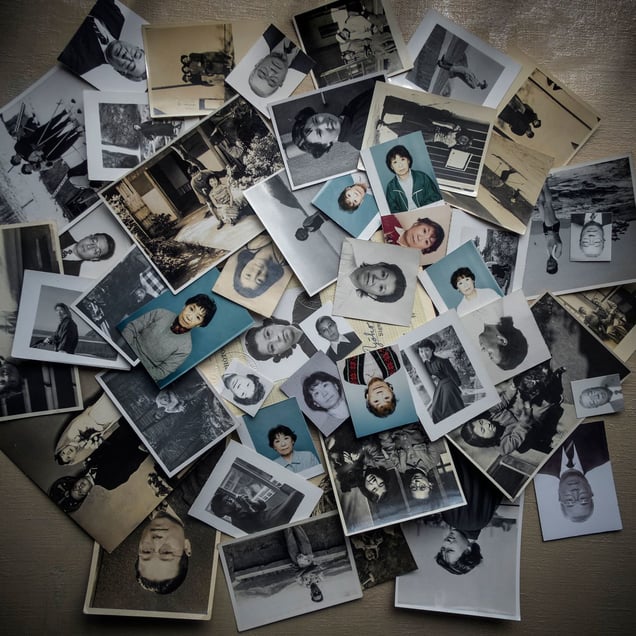
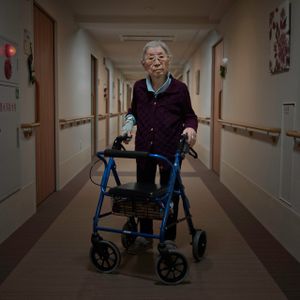
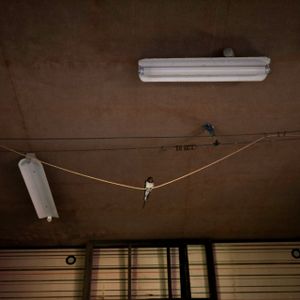
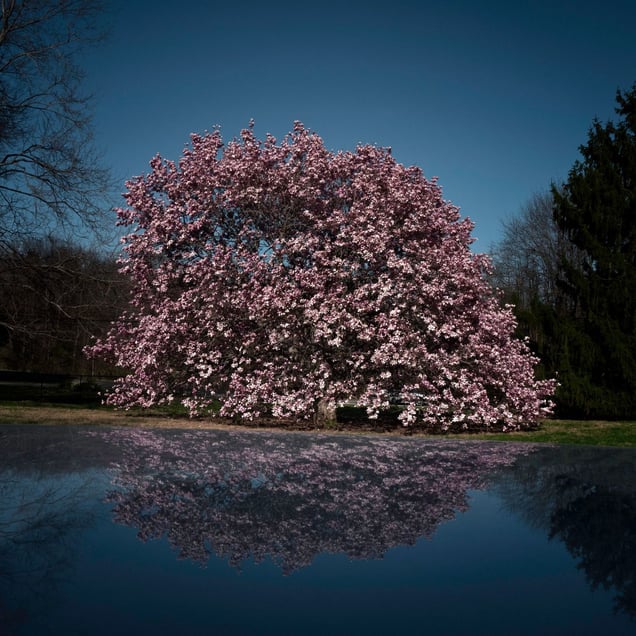
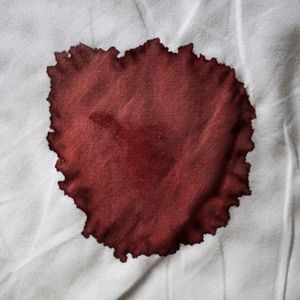
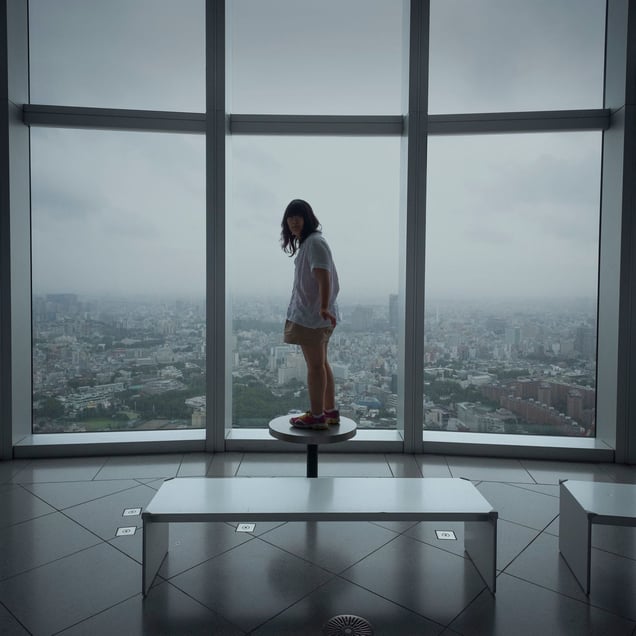
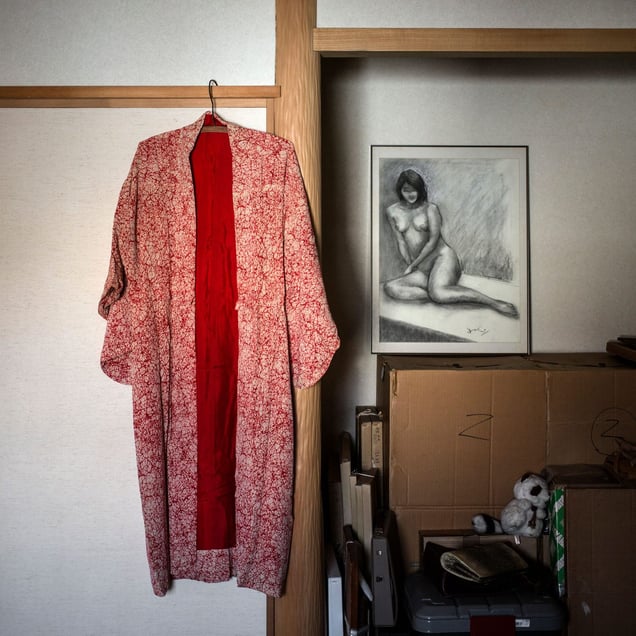
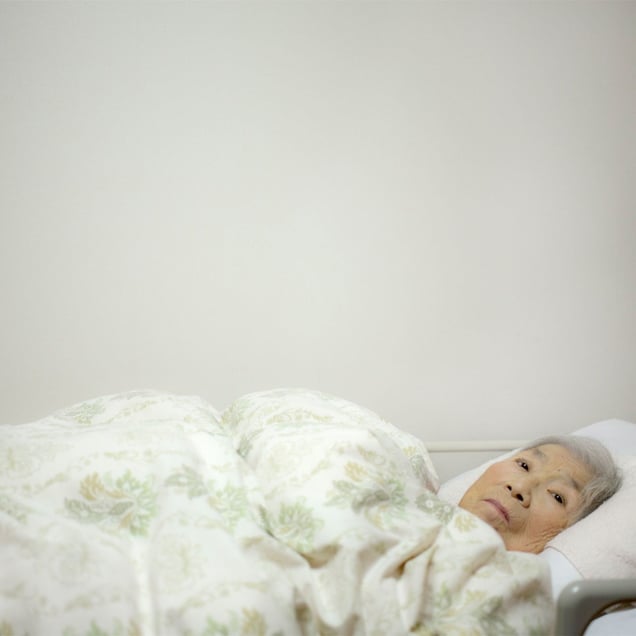
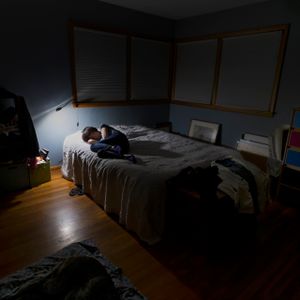
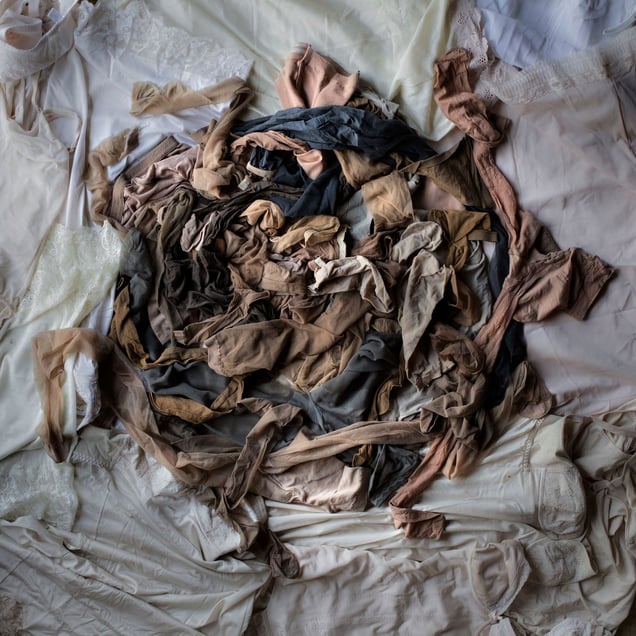
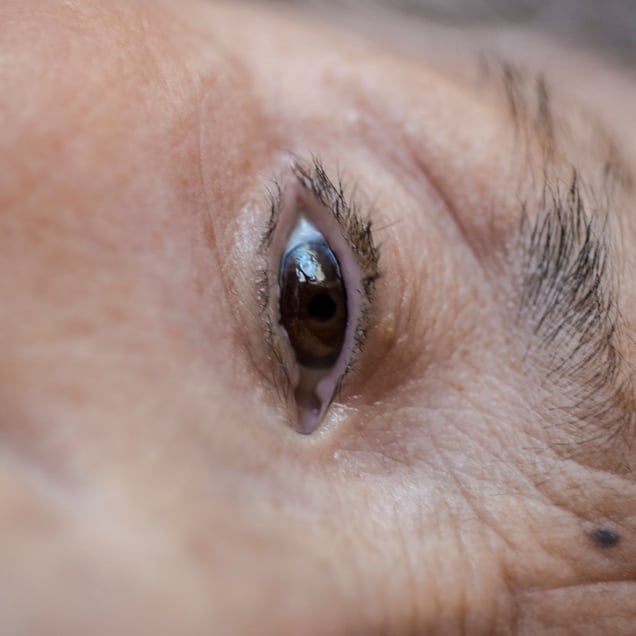
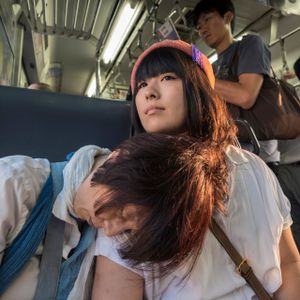
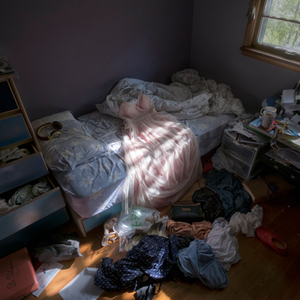
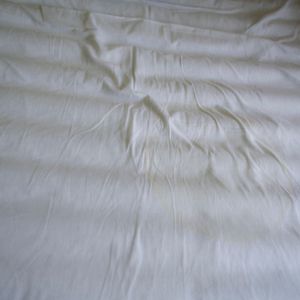
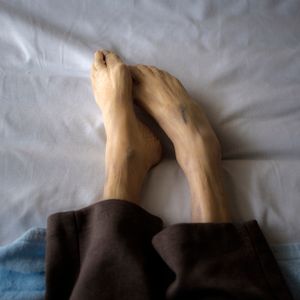
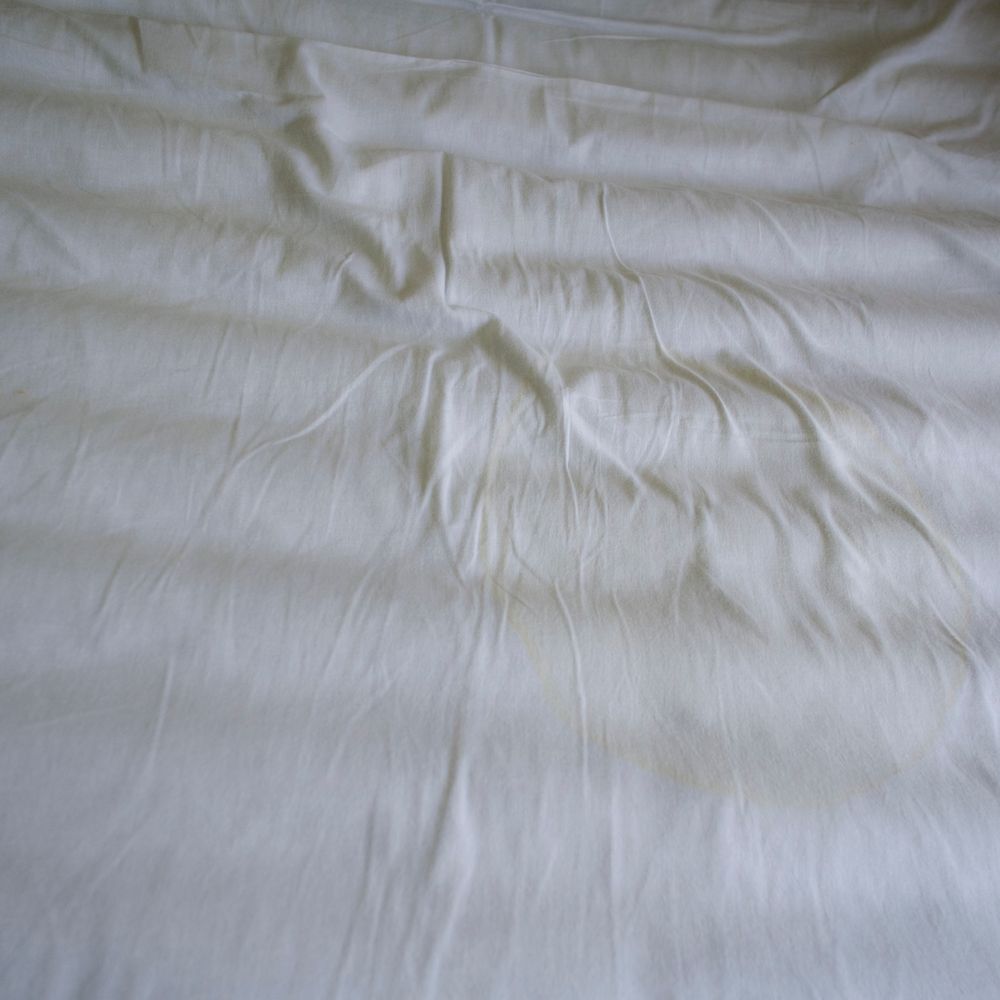
Kai questions the link between the self, parent, and child as it relates to my family’s heritage and histories. Kai concerns itself with finding points of connection and disconnection between actual and constructed memories on both cultural and familial levels.I began the Kai series in 1998 when I found out that my father was dying of cancer. I began to photograph as a way to understand and accept his illness and progression towards death. At this time my wife was also pregnant with my daughter. Through photography I began to understand the cyclical nature of life and death. Over the past eighteen years since starting this series, I have continued to photograph my family members, including my mother who passed away three years ago. My mother lived alone independently for 12 years in Japan, preceding my father’s passing. As she continued to age, we started to notice her physical and mental fragility, and we made the decision to place her into an assisted care facility in Tokyo. She found adapting to be a difficult process, and the distance between the family scattered across the globe put additional strain on us. Because of these changes, the Kai series began to focus on my mother as she moved towards the end of her life. Through the process of photographing, I have noticed the other transitions in my family life, such as the growth of my daughter. At the beginning of the series, she had not yet been born, and now is growing into a young woman. Kai series weaves images that connect generations. The core message in this body of work is universal, in that it is about family, time, and connection to our ancestors. Kai is the circle that keeps turning.
Photos (24)