Daily Bread
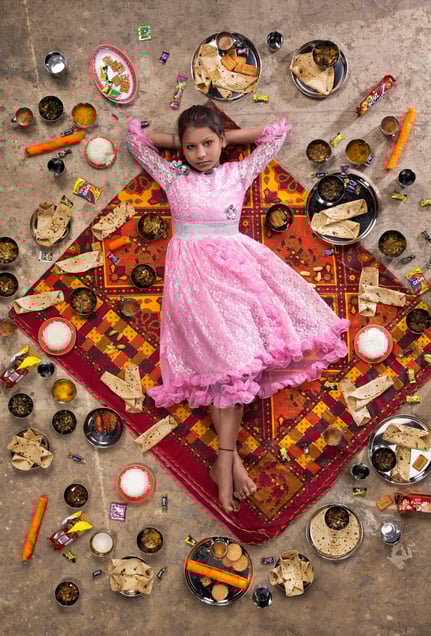
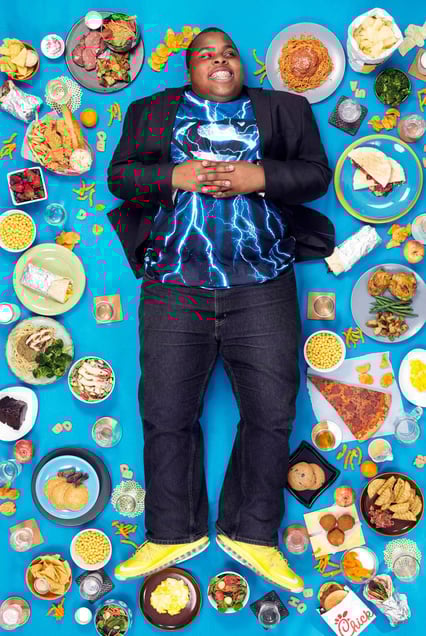
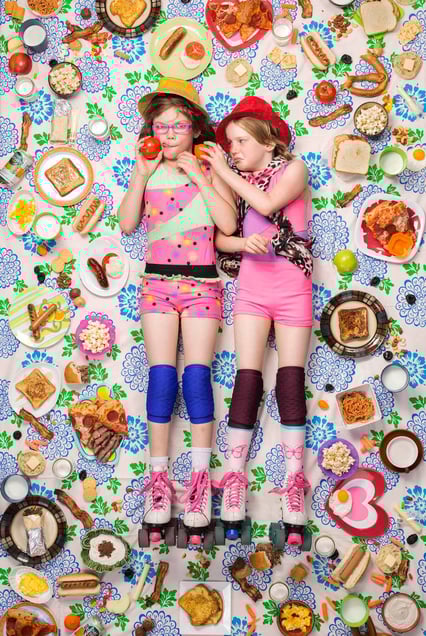
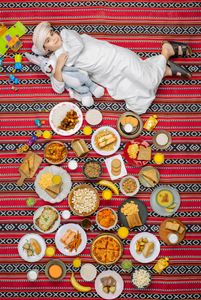
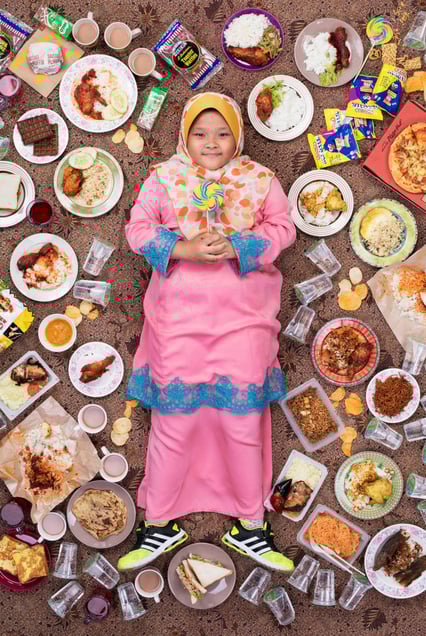
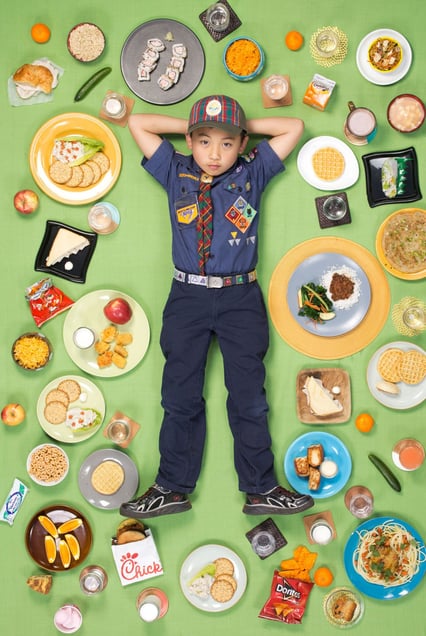
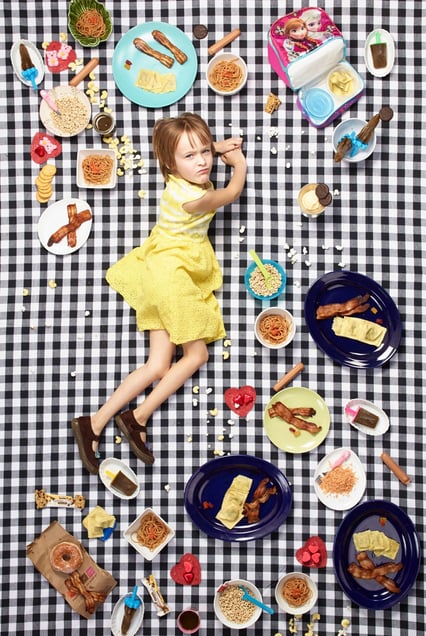
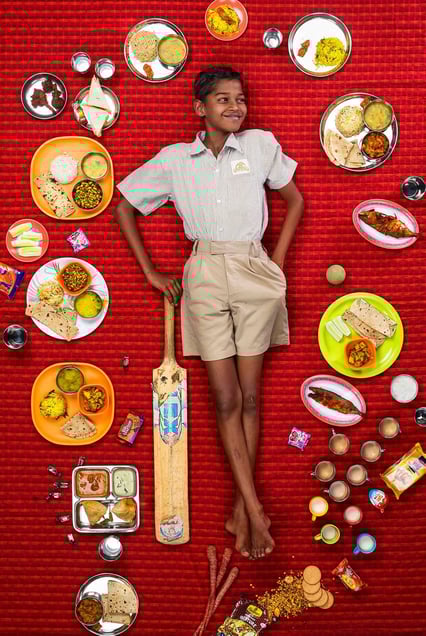
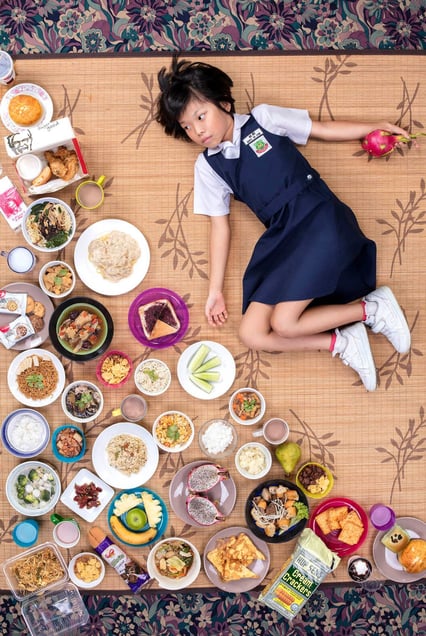
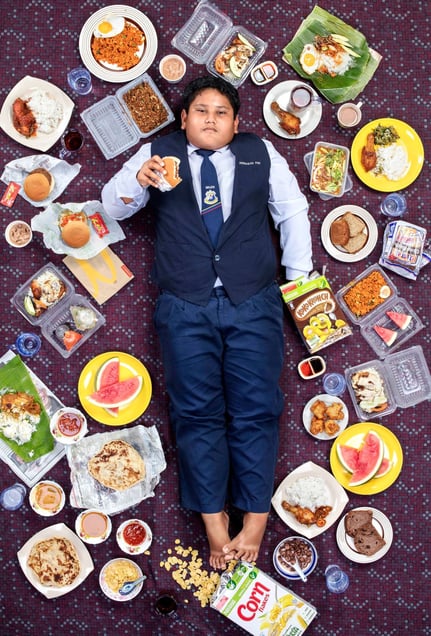
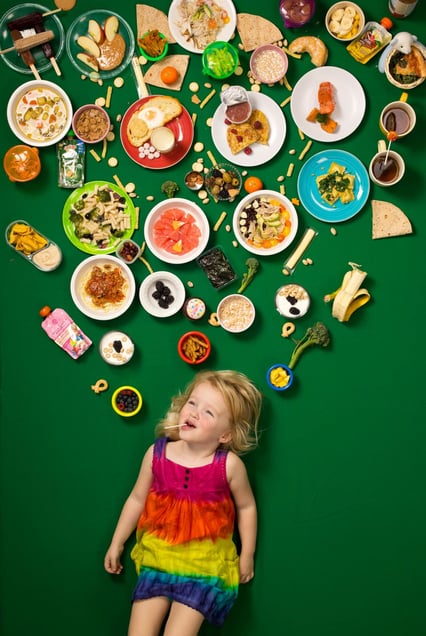
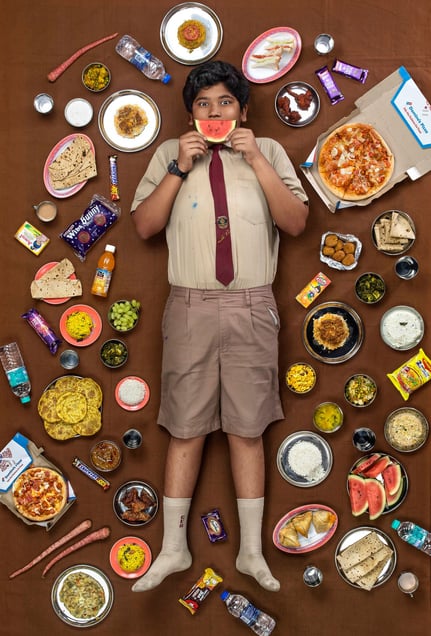
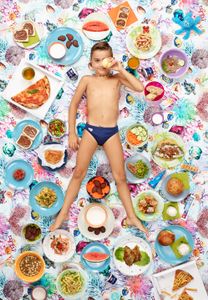
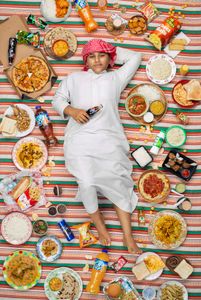
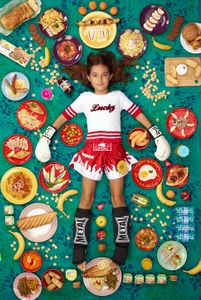
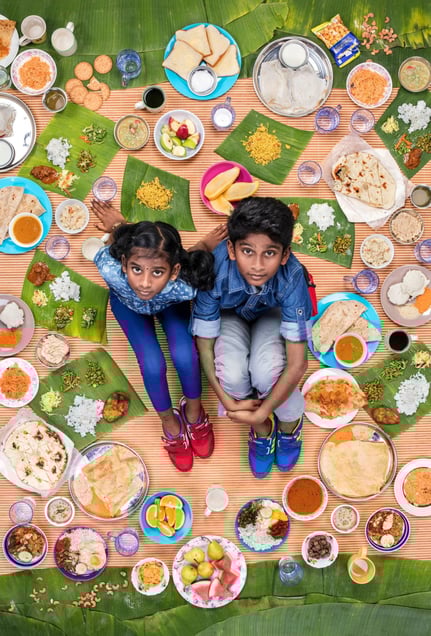
In an 8 x 8 aluminum hut on a construction site outside Mumbai, Anchal Sahni sits down to dinner with her family: homemade aloo bhindo and chapati with a side of lentils. Anchal has a healthier diet than many middle-class kids in India, who can afford to eat out. In Mumbai, a medium Dominoes pizza runs 13 bucks – about 3 times what Anchal’s father earns a day. Sensing a sea change in Western attitudes about diet and the effects of junk food, fast food companies have begun investing heavily in foreign markets where public awareness isn’t as keen – and Big Macs aren’t junk – they’re a status symbol. In 2015, Cambridge University conducted an exhaustive study, identifying countries with the healthiest diets in the world. 9 of the top 10 countries are in Africa, where vegetables, fruit, nuts, legumes, grains are staples and meals are homemade, a stark contrast to the US where nearly 60% of the calories we consume come from ultraprocessed foods and only 1% come from vegetables. As globalization alters our relationship to food, I’m making my way around the world, asking kids to keep a journal of everything they eat in a week. Once the week is up, I make a portrait of the child with the food arranged around them. I’m focusing on kids because eating habits, which form when we’re young, last a lifetime and often pave the way to chronic health problems like diabetes, heart disease and colon cancer. Despite growing awareness here in the US about the harm of eating processed foods, awareness hasn’t yet led to widespread change. Obesity rates are still soaring. 40 years ago, 1 out of 40 kids were obese. Today, 10 in 40 are. Since corn syrup came along, the incidence of diabetes has tripled. For the first time in many generations, life expectancy in America is declining and the main culprit is empty calories. I’ve been encouraged to find regions and communities where slow food hasn’t been displaced by junk food, where home cooked meals are the bedrock of family and culture, and where love and pride are sensed in the aromas of stews and curries. When the hand that stirs the pot is mom or dad, grandpa or grandma, kids are healthier. The deeper goal of Daily Bread is to be a catalyst for change and link to a growing, grassroots community that is moving the needle on diet.
No categories selected
Photos (26)