Photos (20)
Cover
File:
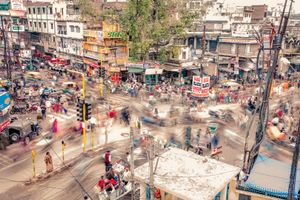
Busy_street_intersection_in_Varanasi_India.jpg
File:
Real-estate-billboard-and-Mumbai-skyline-02.jpg
File:
close-up-of-a-luxury-high-rise-building-in-kolkata-india.jpg

File:
Shiny-new-luxury-apartment-building-rising-above-Mumbai-shanty-town-slum.jpg
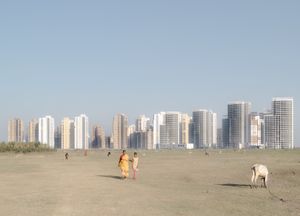
File:
luxury-new-build-residential-and-office-towers-in-Kolkata-India.jpg
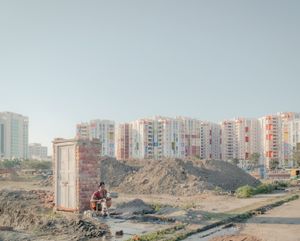
File:
Woman-washes-dishes-by-roadside-tap-in-Kolkata-India-with-new-apartment-block-towers-behind-her.jpg

File:
dense-sky-line-of-residential-buildings-in-a-mumbai-suburb_(1).jpg
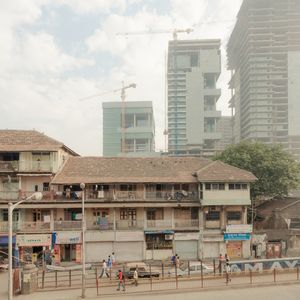
File:
shiny-new-towers-rise-behind_heritage-tenement-buildings-built-by-the-british-in-mumbai-v2.jpg
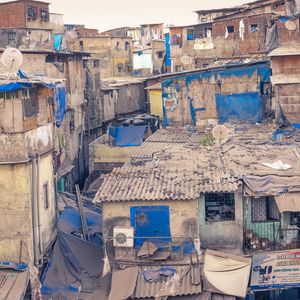
File:
low-income-chip-board-slum-housing-and-residents-in-mumbai-03.jpg
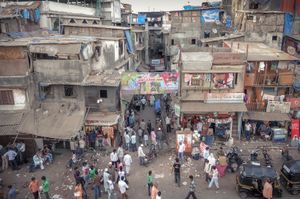
File:
overhead-shot-of-low-income-dense-slum-housing-and-community-in-mumbai.jpg
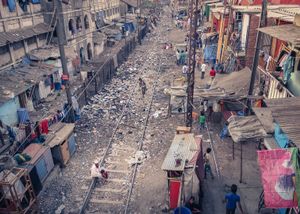
File:
Mumbai-rail-tracks-and-slums.jpg
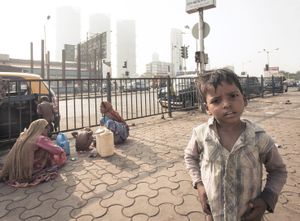
File:
migrant-worker-family-living-on-mumbai-sidewalk-bathe-their-children-while-morning-mist-partially-obscures-luxury-high-rise-buildings-in-the-background.jpg

File:
a-boatman-and-his-wooden-boat-on-the-hoogly-river-near-vidyasagar-setu-in-kolkata-india.jpg

File:
Business-man-reads-newspaper-at-the-airport-in-Mumbai.jpg
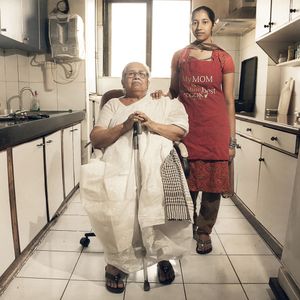
File:
Grandmother-and-granddaughter-in-Mumbai-kitchen.jpg

File:
portrait-of-newly-weds-in-kolkata.jpg
File:
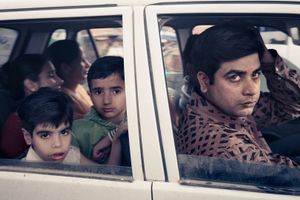
young-family-and-car-in-new-delhi-india.jpg
File:
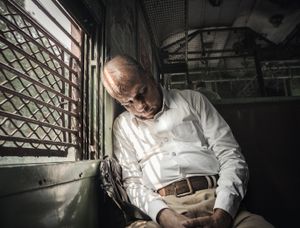
office-worker-commuter-sleeps-on-a-mumbai-suburban-train.jpg

File:
middle-class-woman-shopper-waits-impatiently-to-board-her-imported-car-while-homeless-man-sleeps-on-the-sidewalk-in-delhi-street.jpg

File:
migrant-worker-children-asleep-by-roadside-home-in-mumbai_(1).jpg
Add To Collection
No photos
Collaborated