
Waking Detroit

Photos (20)

Cover
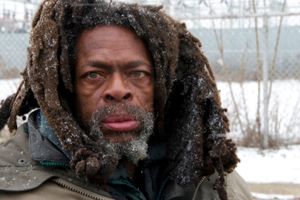
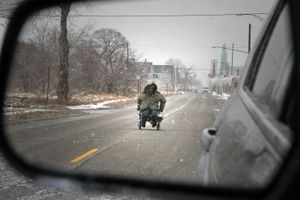
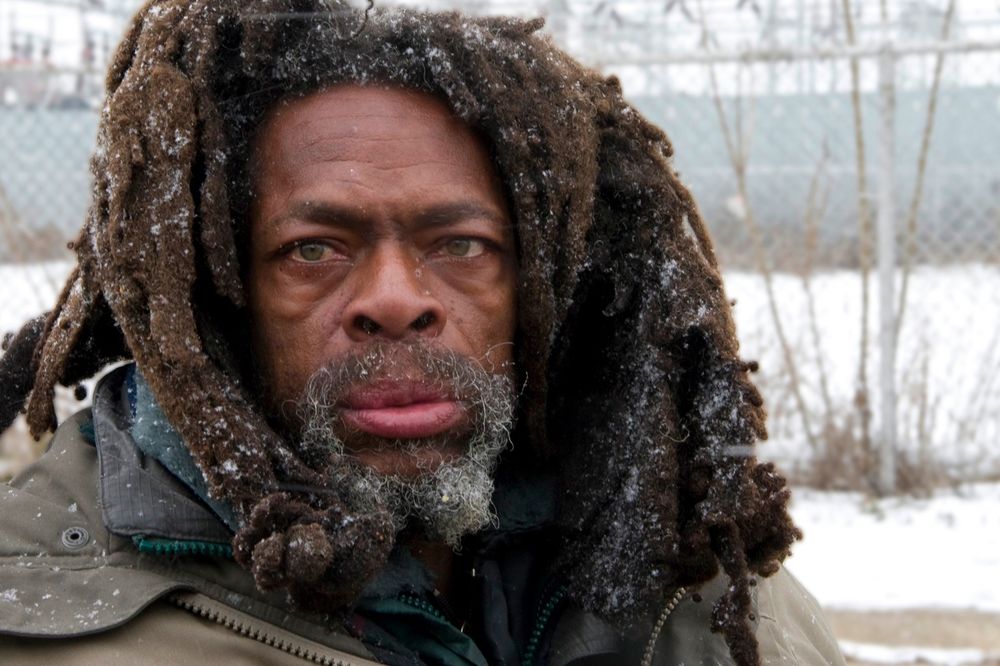
© Nicholas Gregory.    Michael was Detroit's most prominent panhandler. He was killed in a hit and run car accident last summer on the streets of Detroit.
File: lcIMG_4628edit.jpg
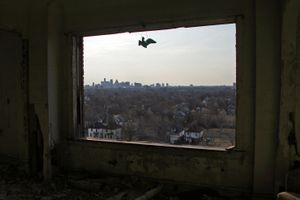
© Nicholas Gregory.     A plastic bird dangles from the thirteenth floor of Lee Plaza in Detroit. Once a symbol of Detroit's wealth,  Lee Plaza is a shell void of windows and its famous copper roof.
File: lceditIMG_5492.jpg
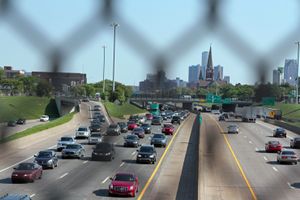
© Nicholas Gregory.     This stretch of highway used to be Detroit's most crowded neighborhood. Once known as "Paradise Valley" this lively ghetto was home to a vibrant art and music scene.
File: lcediteditIMG_4632.jpg
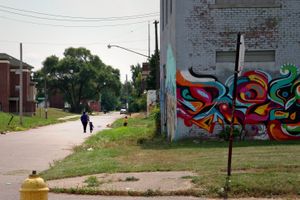
© Nicholas Gregory.     A mom walks home with her daughter. More than 75% of Detroit households with children include only one parent living in the home.
File: lceditIMG_3619.jpg
© Nicholas Gregory.     Michael was battling sub-zero temperatures seeking donations near Mack Avenue. Both of his frostbitten feet were amputated after a battle with homelessness in Detroit.
File: lceditIMG_4583.jpg
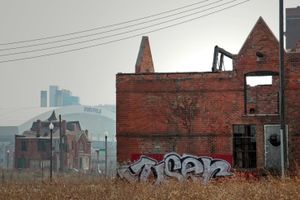
© Nicholas Gregory.     Four blocks from the revitalized Midtown district, this uninhabitable structure is one of the thousands within walking distance from sports stadiums and four-star restaurants. Six straight decades of declining population has left 80,000 abandoned buildings scattered throughout Detroit.
File: editlcIMG_5105.jpg
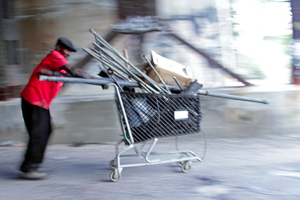
© Nicholas Gregory.     Charlie makes regular rounds near abandoned factories collecting metal to take to the scrap yard for cash. Desperate scrappers have turned to stealing copper grave plates from local cemeteries.
File: lcedit_MG_3086_2.jpg
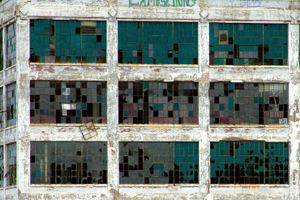
© Nicholas Gregory.     Fisher Body Plant 21 is a massive half million square foot factory that has been abandoned for 30 years. Artists, drug users and scrappers use the building now.
File: lceditIMG_6263.jpg
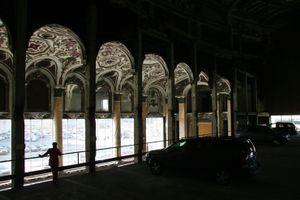
© Nicholas Gregory.     The historic Michigan Theatre was re-purposed as a parking garage after it closed in 1976.
File: lcedit2IMG_5488edit.jpg
© Nicholas Gregory.      A cat passively watches over a dead mouse on the steps of a burnt out building. Feral cats, stray dogs and even pheasants are a common sight in some vacant Detroit neighborhoods.
File: lcedit_IMG_5858.jpg
© Nicholas Gregory.    Decimated by population loss, Detroit's Eastside neighborhoods hang on to life.
File: lceditedit2betterbug_MG_3658.jpg
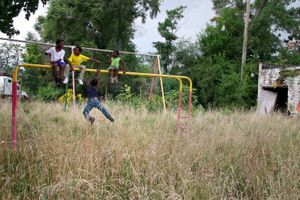
© Nicholas Gregory.     Kids play in one of Detroit's abandoned parks. The city closed more than 200 parks by 2013. Volunteer organizations have recently adopted more than 50 city parks, agreeing to maintain them in an effort to keep them open.
File: lceditIMG_3952.jpg
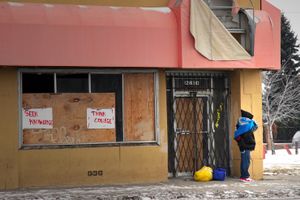
© Nicholas Gregory.     A teenage boy waits near signs that promote the value of education in a city where high school graduation rates are among the lowest in the nation. One quarter of Detroit residents age 25 and older do not have a high school diploma.
File: lceditIMG_4265.jpg
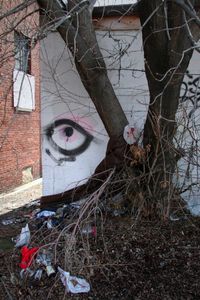
© Nicholas Gregory.     Weeping graffiti reveals Detroit's tough exterior and fragility. Expressions of resilience and grief can be found all over the city.
File: lceditIMG_5187.jpg
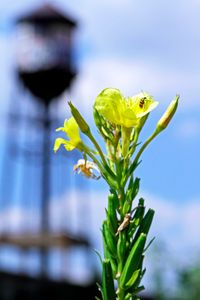
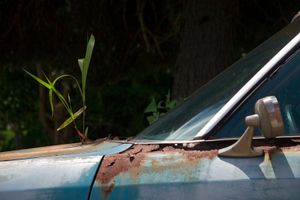
© Nicholas Gregory.     A weed grows from the hood of a dead car in a Northwest Detroit neighborhood.
File: lceditIMG_1049.jpg
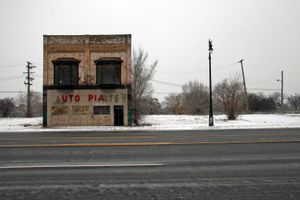
© Nicholas Gregory.     The word "Utopia" stands out on an old auto parts store in Corktown, where new businesses have revitalized parts of Detroit's oldest neighborhood.
File: lceditIMG_4822.jpg
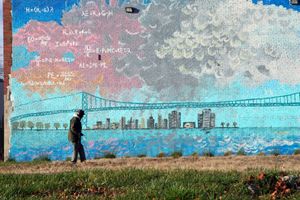
© Nicholas Gregory.     Detroit and its abandoned canvases are attracting artists from around the world. Detroit is so large that San Francisco, Boston and Manhattan fit within its 139-square miles of land.
File: lceditIMG_0058.jpg
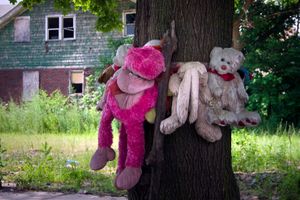
© Nicholas Gregory.     Stuffed animals serve as memorials to children slain in Detroit. Children are dying in Detroit at a greater rate than any U.S. city its size or larger.
File: lcediteditIMG_0008.jpg
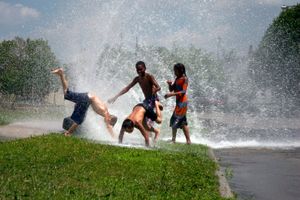
© Nicholas Gregory.     Children from Detroit's East side cool off on a hot summer day with the help of a fire hydrant. As public recreation centers close due to a lack of funding, kids find new ways to have fun.
File: lcredo_IMG_6002.jpg
© Nicholas Gregory.     Rhubarb in one of Detroit's many urban gardens takes root as more than three-quarters of the city’s residents purchase most of their food at liquor stores and gas stations.
File: lceditIMG_2968.jpg