Trailer Obscura
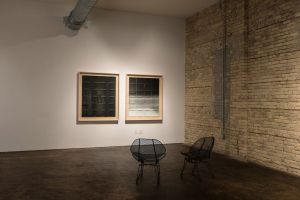
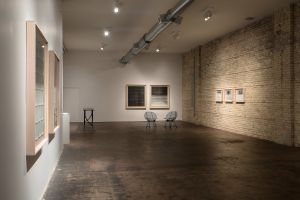
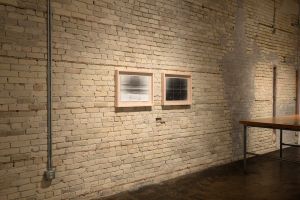
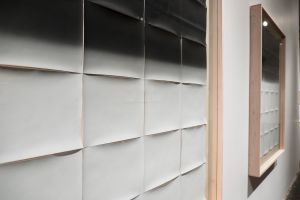
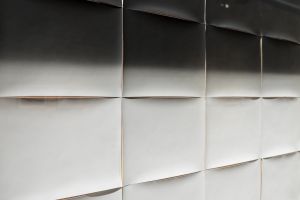
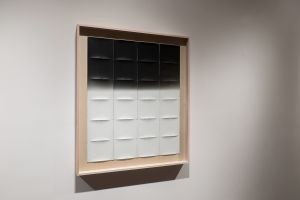
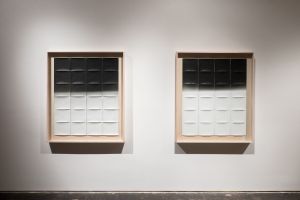
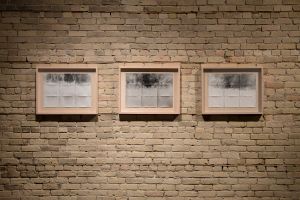
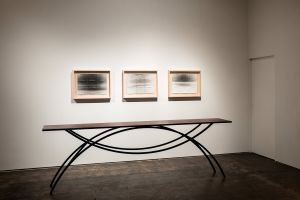
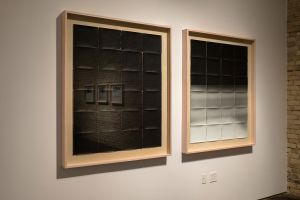
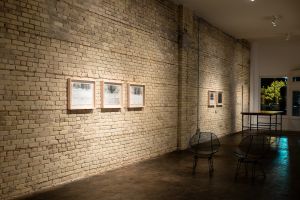
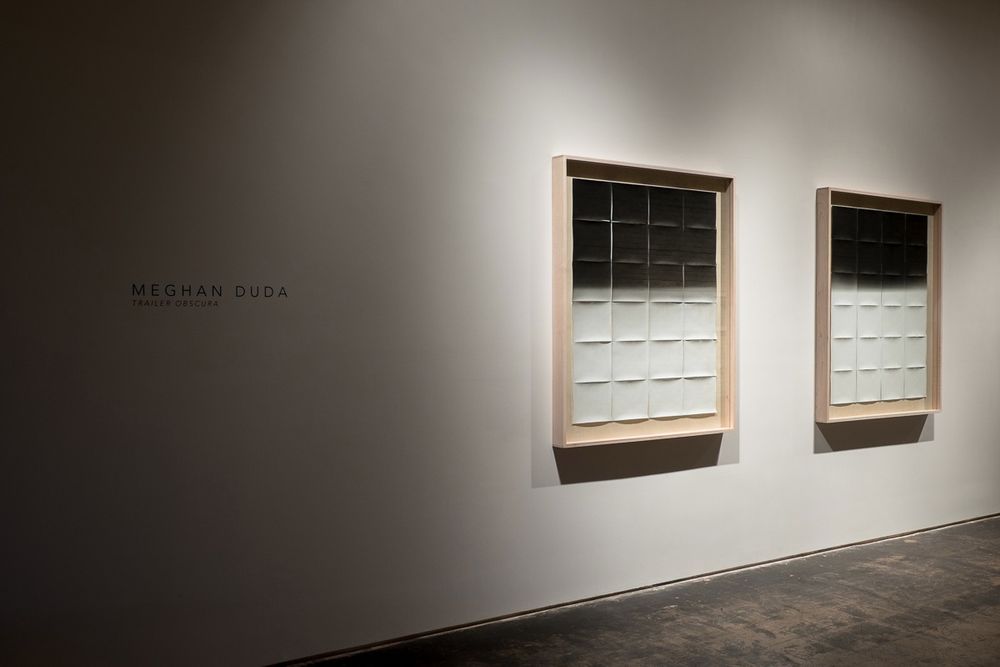
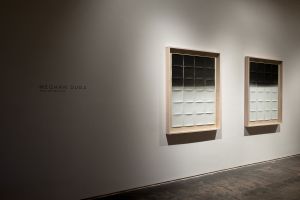
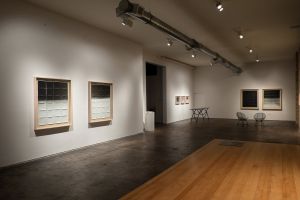
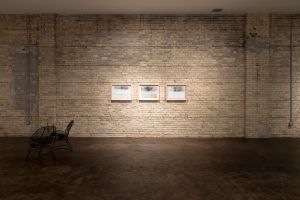
Trailer Obscura For centuries the American landscape has been a muse for photographers; documented by Timothy O’Sullivan, celebrated by Ansel Adams, and mourned by Robert Adams. If you ask any landscape photographer the greatest pull of this genre is the opportunity to be out in the landscape, walking the plains or climbing the mountains. With the modern american relation to the car many now only interact with the landscape while traveling at 80 mph, the only fixed object being the horizon. As a recent transplant to the vast landscape of North Dakota I soon discovered that this would be my primary exposure to the empty space. I was instantly struck by the beauty found along this new horizon, a meeting of earth and sky that I had never experienced. Although the farmland remains superficially similar, stretching as far as the eye can see, to the experienced traveler there are subtle changes in light and atmosphere that bring real beauty to this assumed banality. With the Trailer Obscura, a 5’ x 8’ enclosed trailer converted into a pinhole camera, I take advantage of the high speeds, capturing a pure recording of light and horizon as it varies depending on atmospheric changes, space, and time. The final image, imposed upon a grid of twenty-four 8”x10” sheets of silver gelatin photo paper, can vary from a gradual transition from grey to white, or a sharp shift from white to black. At times the horizon line is practically invisible. The nature of the pinhole camera as it creates an inverted image asks the viewer to question what is up and what is down, where is land and where is sky. The soft horizon line captured by the mobil pinhole camera quickly gave inspiration for a second series of atmospheric recordings made with a wooden shipping crate, titled Pinhole Studies. I use this tool to record the horizon line on distant, and more local shores. Like the Trailer Obscura pieces these pinhole studies remain negatives, but measure the intensity of light where water meets sky. Unlike the Trailer Obscura this box remains still, yet with the time of the exposure the moving water becomes a blur, a soft gradient that darkens where the water is broken.
No categories selected
Photos (29)
![Trailer Obscura [009] © Meghan Duda 2014](https://photos.lensculture.com/medium/4d7a812a-40c8-4e86-a30b-72ff34b496a0.jpg)
![Trailer Obscura [012] © Meghan Duda 2014](https://photos.lensculture.com/medium/9f3cc169-72bf-4ada-962c-828b7b0975ca.jpg)
![Trailer Obscura [010] © Meghan Duda 2014](https://photos.lensculture.com/medium/3d648a9f-7beb-4f8e-91d3-3bdd0cc7a0c6.jpg)
![Trailer Obscura [005] "Whiteout" © Meghan Duda 2013](https://photos.lensculture.com/medium/e0a75833-adba-48fa-8749-e70da9b4c49e.jpg)
![Trailer Obscura [008] © Meghan Duda 2014](https://photos.lensculture.com/medium/61127032-88e7-4653-91cc-e66ed9a4e822.jpg)
![Pinhole Studies [oceanscapes 003] © Meghan Duda 2014](https://photos.lensculture.com/medium/f1d4ee44-bb74-441d-a135-d21b406fe437.jpg)
![Pinhole Studies [oceanscapes 009] © Meghan Duda 2014](https://photos.lensculture.com/medium/7a960681-a1e0-4279-9e5b-7a028e3ec3da.jpg)
![Pinhole Studies [oceanscapes 011] © Meghan Duda 2014](https://photos.lensculture.com/medium/de79e5fe-da03-4464-9947-66c6178e0c83.jpg)
![Pinhole Studies [oceanscapes 006] © Meghan Duda 2014](https://photos.lensculture.com/medium/7de68359-9047-495c-bf23-7dcee9341e83.jpg)
![Pinhole Studies [oceanscapes 001] © Meghan Duda 2014](https://photos.lensculture.com/medium/d10735c3-7067-4ded-adcc-92f6fc8be9f4.jpg)
![Pinhole Studies [oceanscapes 007] © Meghan Duda 2014](https://photos.lensculture.com/medium/67a8047f-53f4-46de-81db-403a8d16d6a7.jpg)
![Pinhole Studies [riverscapes 010] © Meghan Duda 2014](https://photos.lensculture.com/medium/6e132a53-5658-41dd-a0d4-b74bd1093e23.jpg)
![Pinhole Studies [riverscapes 005] © Meghan Duda 2014](https://photos.lensculture.com/medium/263cc10f-5150-4bdb-8807-40206e113532.jpg)
![Pinhole Studies [riverscapes 009] © Meghan Duda 2014](https://photos.lensculture.com/medium/0ea60f76-6a5e-4a47-b3d7-bee4e2e02d10.jpg)
![Pinhole Studies [riverscapes 007] © Meghan Duda 2014](https://photos.lensculture.com/medium/f0f50ea8-a211-4a0b-aa42-e7b9fb634b69.jpg)