
Doppelgänger
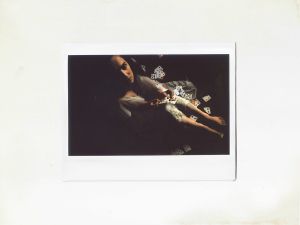
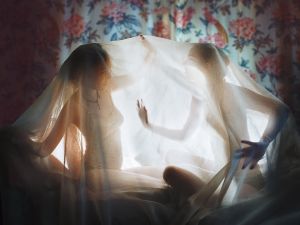
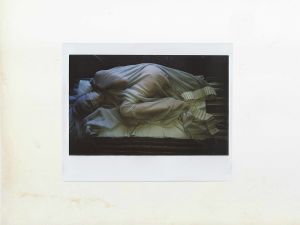
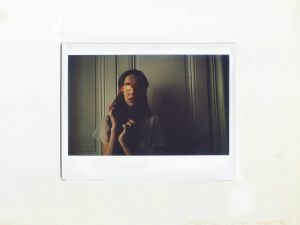
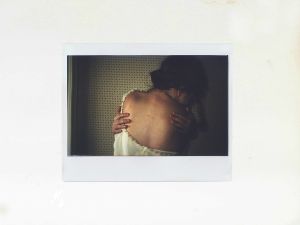
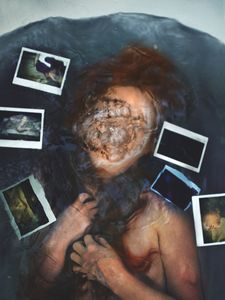
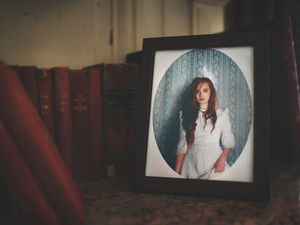
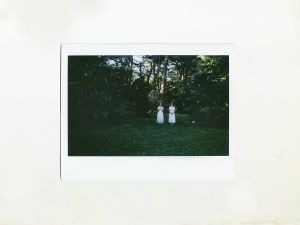
The “imaginary friend” syndrome is an overactive imagination disorder. It consists in creating a reassuring mental companion in order to cope with a troubling situation. This friend is a fictional projection and only exists in the mind’s person: the inner life gets the upper hand on the external world. Frequent and considered as harmless during childhood, imaginary friends can last until adulthood, and may then reveal a deep sorrow. The series Doppelgänger questions psychic neurosis as well as photography itself. Indeed, we often expect photography to depict the real world. Thus, digital pictures, usually retouched, are often criticized because they don’t catch “the decisive moment” anymore. In this series, digital pictures are de facto retouched; they illustrate the character’s imaginary world, in which the mental double coexists. They appear along instant photos which reveal the real world, supposedly objective. These analog snapshots work as evidence of what is really happening. The pictures’ succession thus manipulates the viewer, questioning how photography has to be related to the truth. In the end, we no longer know what is real or dreamt. Photography consequently remains ambiguous, between subjectivity and objectivity, between testimony and fiction – just like the character oscillates between fantasy and reality.
Photos (20)