Ends of the Line
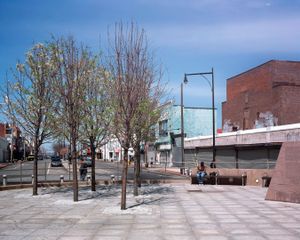
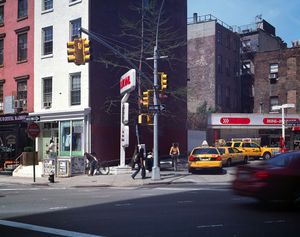
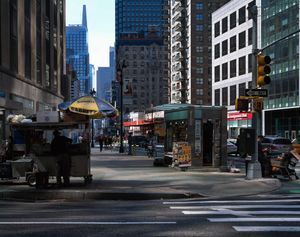
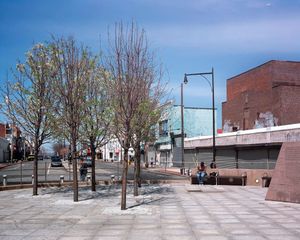
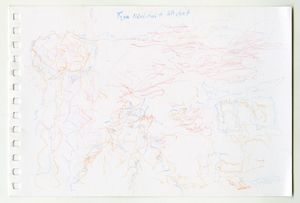
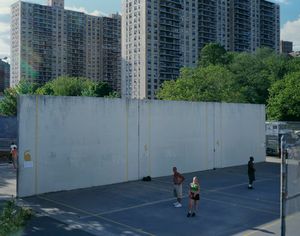
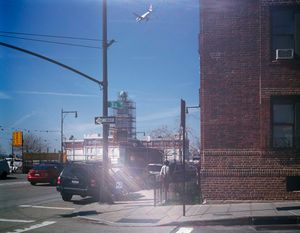
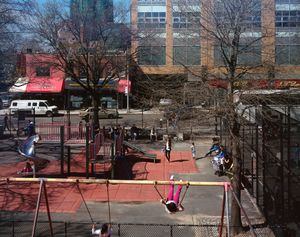
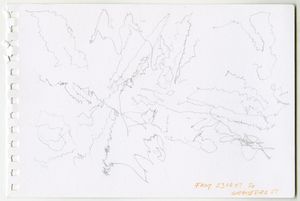
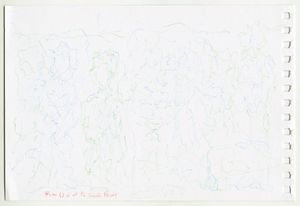
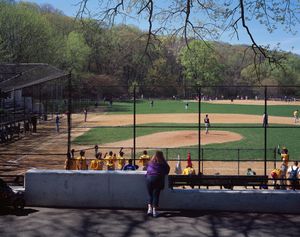
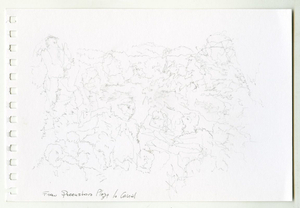
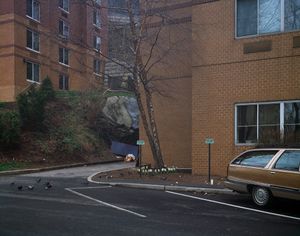
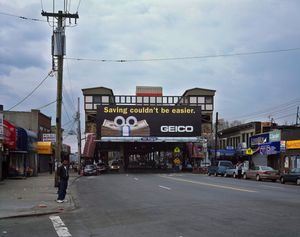
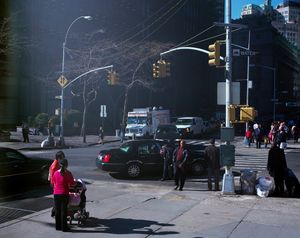
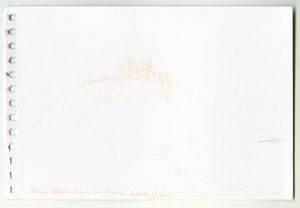
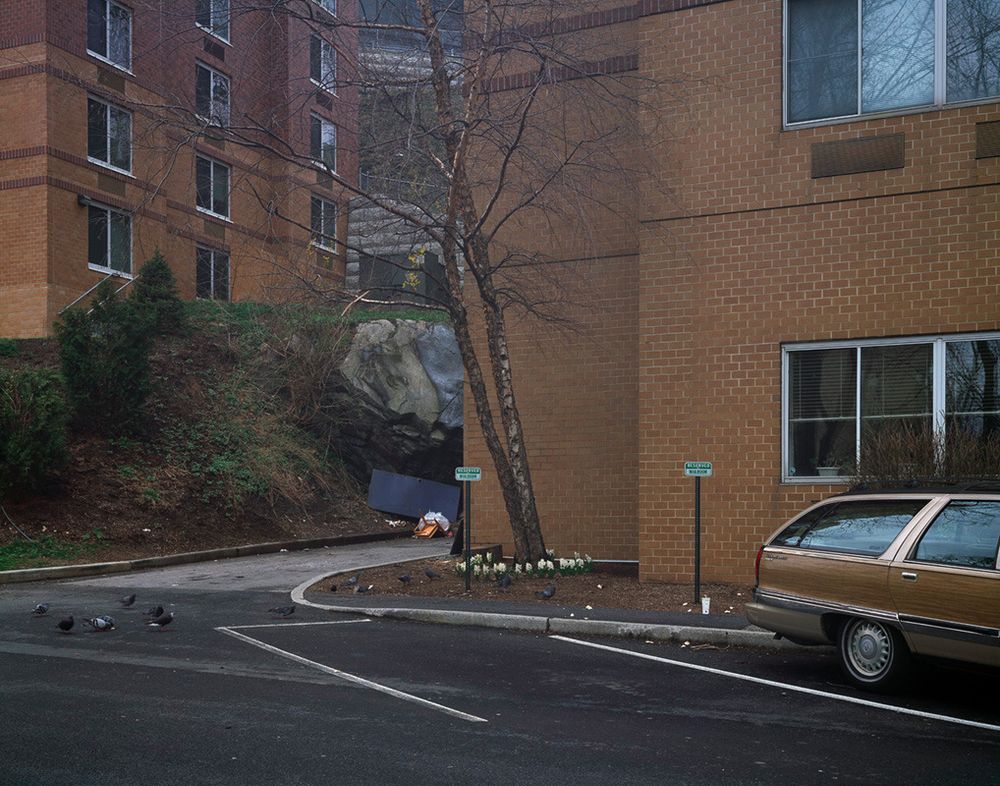
ENDS OF THE LINE I started to photograph the areas of subway termini of New York in March 2010. It happened because I spent three months in Astoria, Queens. I lived closeby the stop before the terminus with my girlfriend and a friend of mine who had just got divorced. The terminus remained one stop beyond. I started to imagine a complete turnaround from the penultimate to the last stop. Termini represent a “finisterrae”. The fact is that we always think at the end of the line as a termination, and not as a beginning. For sure most of them are far, far from the heart of the city. I felt the city was not leading the future, but started to live in the present. I got to thinking that the weight of history and of time was beginning to grind on it. It was becoming a more modern and less contemporary city, as I was used to in Europe. The crisis that's gripping the Western world probably contributed to this interpretation. For decades New York has been the Mecca for those who wanted to make their dreams come true. Now they take a flight to other destinations. A New Yorker said to me: “contemporary vs. modern is a fine insight, and truthfully New York is a bit unsteady on its legs as cities go. It is not a modern city! For sure. Just looking at its new architecture shows us that it is stuck in ways that places like Dubai or Shanghai are not. And it has gotten older in ways that show its wear and tear. It is not a modern city!”. In addition to straight photographs I also made some drawings in order to document the subway's termini and his way to them. Photographs and drawings derive from very different approaches. Photos, taken with a view camera, are very rigorous, descriptive and almost formal. They result from a motionless break. Drawings are instead abstract representations of his journeys in the underground, created by leaning pencils on a piece of paper while traveling on subway cars. The outcome are tangled lines which have no relationships with geography but appear as maps of its crossings. In this sense they are inspired by the subway map made by the Italian designer Massimo Vignelli in the 70s, but their function has now changed from topography to the measurement of the physical reaction to every subway trip. They are handmade seismographs. The combination of pictures and drawings is thus both an invitation to look at the city from uncommon perspectives and get lost in its transport network, which acts as a giant spiderweb.
Photos (16)