The Rational Labyrinth: Istanbul
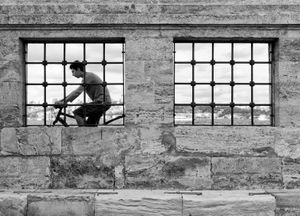
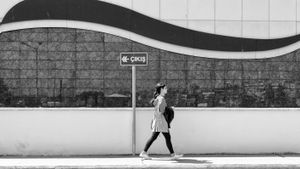
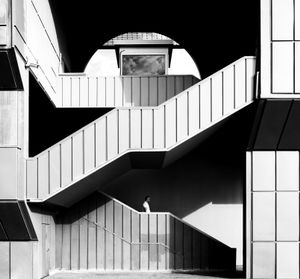
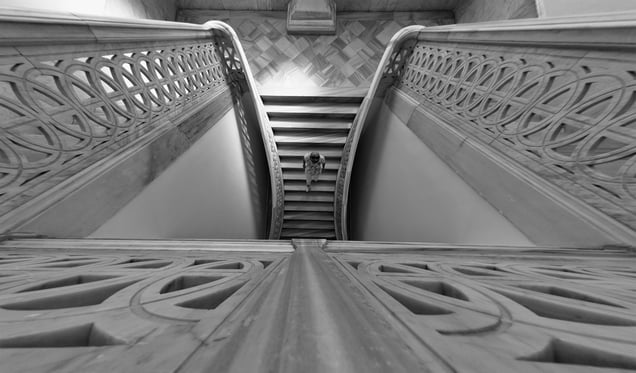
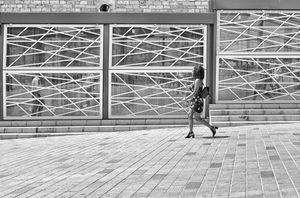
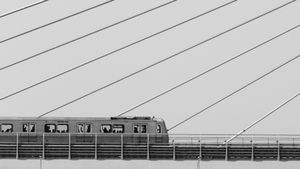
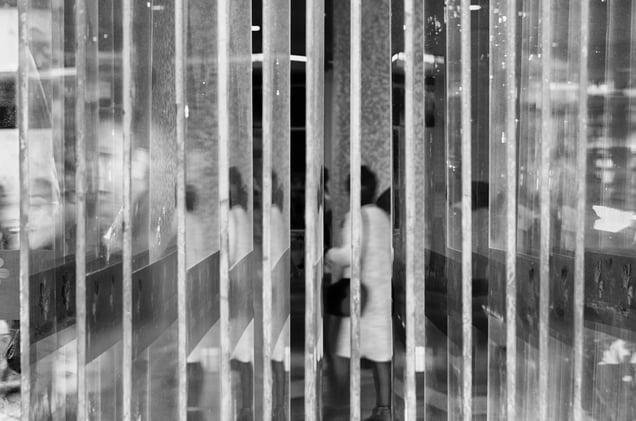
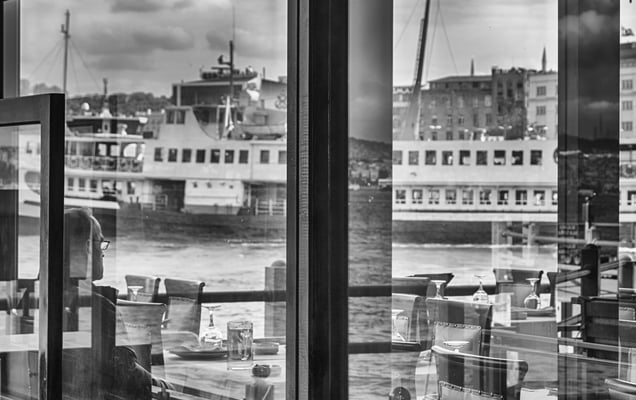
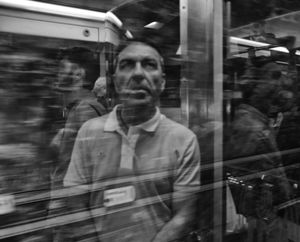
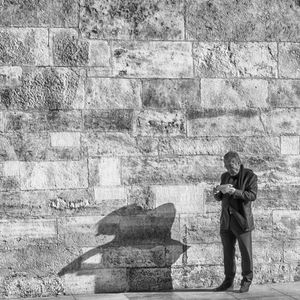
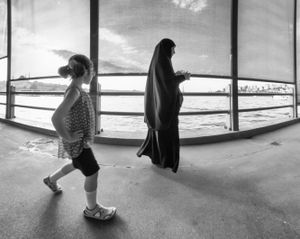
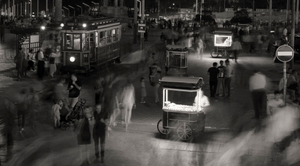
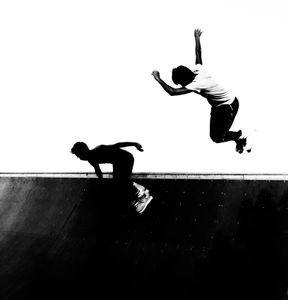
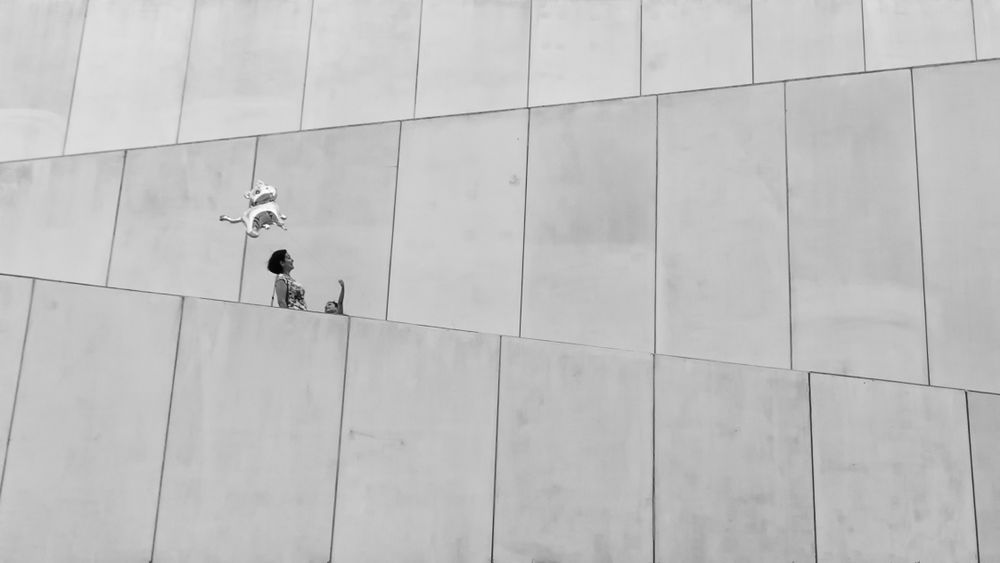
Istanbul is often imagined through postcard color, historical romance and tourist desire. This portfolio looks elsewhere. It approaches the city as a system of passages, grids, reflections, signs and thresholds — a rational labyrinth where human presence is measured, divided, carried and sometimes made almost invisible. In these black-and-white photographs, the city is not treated as a romantic backdrop, but as a psychological architecture. Concrete, glass, metal, cables, tunnels and facades become the visible codes of modern life. Human figures appear as fragments within this structure: waiting, passing, resisting, pausing, or briefly interrupting the rhythm imposed around them. The work is shaped by a tension between order and fragility. A metro window divides the passenger into reflections. A bridge turns movement into geometry. A worker stands beside an artificial image of escape. A musician breaks the silence of the crowd with his own breath. These moments become small disturbances in the administered rhythm of the city — gestures through which the individual refuses to disappear completely. The Rational Labyrinth: Istanbul is not about the city as a destination. It is about the city as a condition: a place where modern systems organize movement, visibility and desire, while human life continues to leave fragile traces of memory, exhaustion, dignity and revolt. What appears here is not the postcard image of Istanbul, but the anatomy of a city that measures its inhabitants — and the quiet human gestures that resist being reduced to measurement.
Photos (27)