JINETES SALTEÑOS
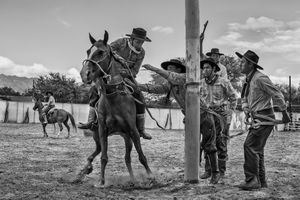
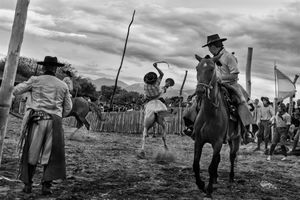
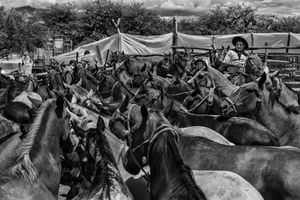
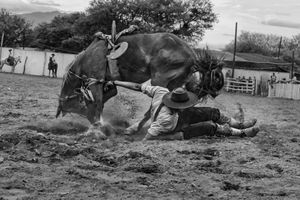
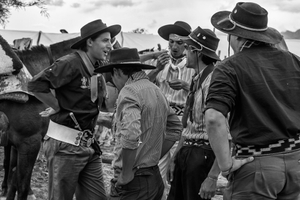
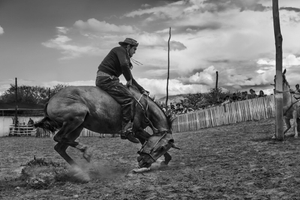
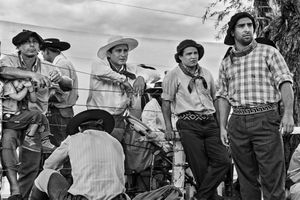
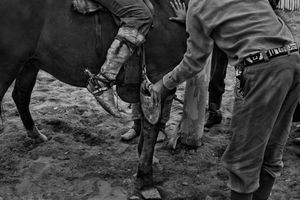
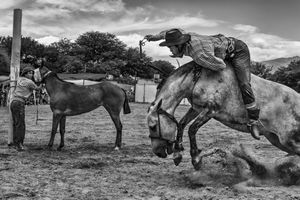
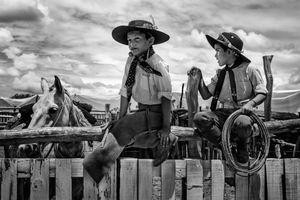
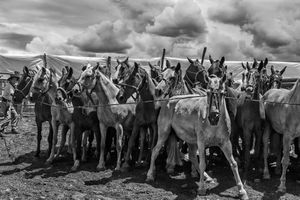
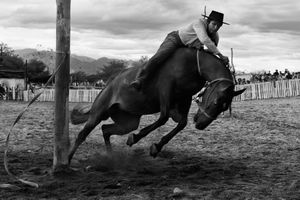
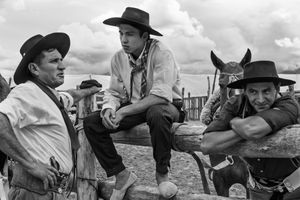
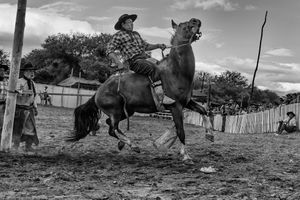
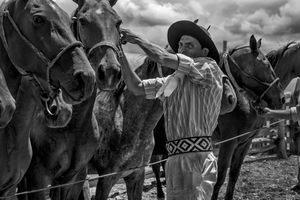
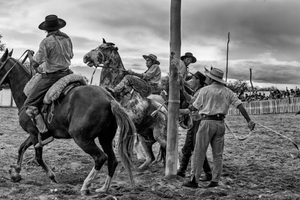
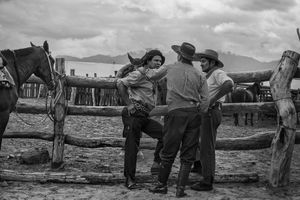
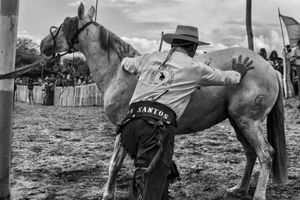
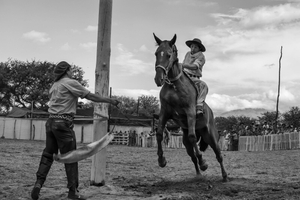
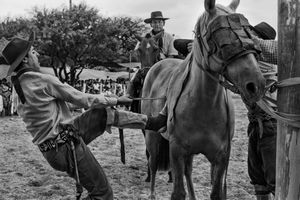
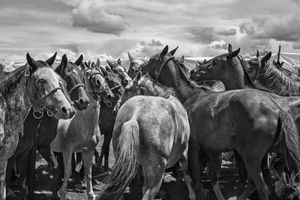
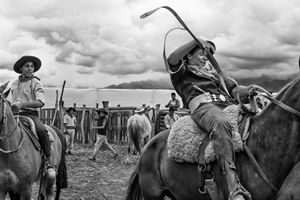
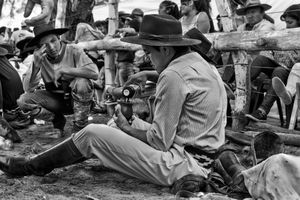
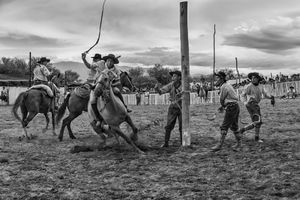
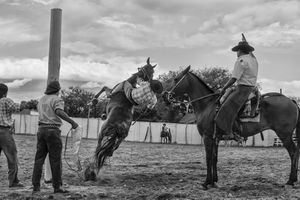
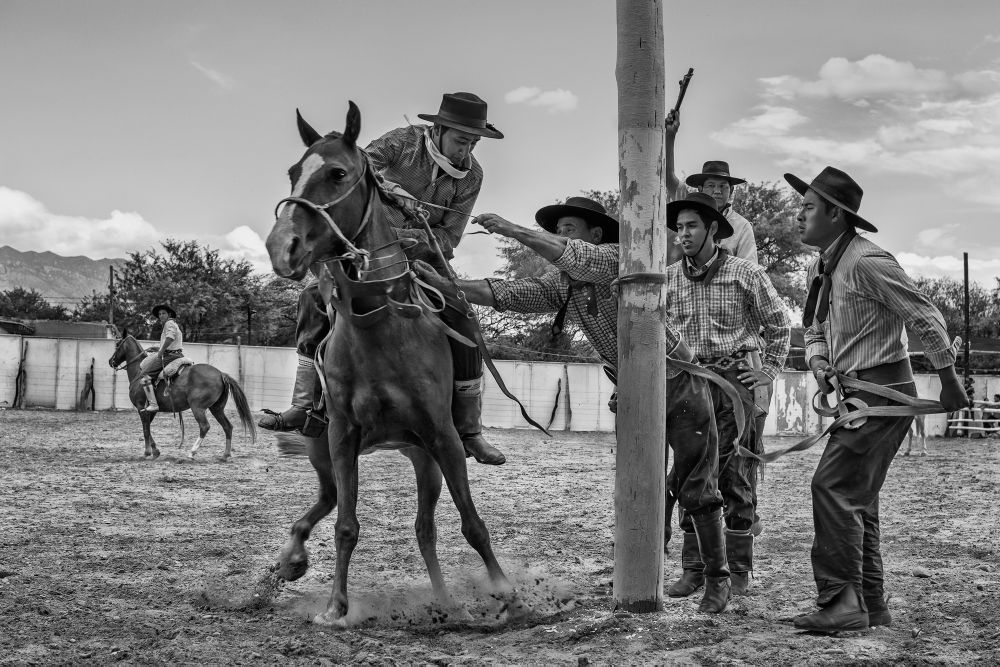
Jineteada is a traditional equestrian sport in the gaucho culture, a demonstration of force and skill where the gaucho tries to keep himself for a specified time (8 to 15 seconds, depending on the category) on the back of an untamed horse, despite its bucking. It´s dangerous tradition held in rural areas, sometimes he manages to do so and, on other occasions, he may suffer serious injuries, even die, as a result of tumbling off the untamed beast. The jinetes do not dream about becoming a rock star, a football player or a TV celebrity; their dream is to become a professional horse rider, showing their skills in Argentina’s main stages and to be renowned and admired by their peers. I asked Martin Rodriguez, a great horsemen, if they are not afraid of getting hurt; he told me: «fear, just as the horse, has to be tamed». Many riders are in contact with animals most part of the day as they work as polo horse careers. According to the competition, there are three categories. Crina or bareback: Rider is only allowed a leather strap, which is placed around the horse's neck. Spurs are used and the mounting time is 8 seconds. Gurupa surera: Rider must ride the animal with only a sheepskin as a pad. Reins are held in one hand, and in the other a whip. The mounting time is 12 seconds and Basto with counter: Rider uses stirrups and should not lose them at any time. The mounting time is 15 seconds. Once the bell announces the completion of the race has been played, the rider cannot whipping the animal, otherwise he will be awarded point discounts Each contestant must go under a blood check thirty minutes before his riding turn in order to control they´re not under alcohol effects, in case the control is positive will be liable to penalties. The jinetes oufit is regulated to maintain the traditions. In order to qualify for each ride, consideration must be given to: hitching on the pole, the application of the spurs, the attitude of the foal, the elegance of the rider, and any other circumstance which, in the opinion of the Jury, must be taken into account and the horses that are destined to the horseman are denominated reserved: Horse that is only used for the horsemen o rider. Horses that are reserved are born like this, they do not serve to take the boys to school, to walk, they do not serve to parade, they are only seized to tame and it is impossible to tamed them because they are bad, they kick, they bite, These horses are mounted 12 or 13 times a year, 12 seconds, is nothing, so it works one or two minutes a year, compared to the meek riding horse, which surely works double. The horse’s keeper is called Tropillero: who presents horses reserved for the competition of horsemen, in optimum physical and sanitary condition, accrediting this through certificates of veterinarians and the required vaccinations. Early January, every year in the Province of Cordoba, during 10 days,” the Festival of Doma and Folklore” is celebrated, considered the world cup of the jineteada, where a representative of each province in three categories and representatives of neighboring countries such as Brazil, Chile, Uruguay and Paraguay. The days are transmitted by national and public TV to the whole country on prime time and an average of 20,000 people attend the event live. But beyond this great national event, is in the Barrial, a small settlement of around 700 inhabitants in the Calchaquí Valley, at Province of Salta, located at Argentinean northwest, where the horsemen maintain their essence, it is there where the locals make a great economic effort to pay the entrance to see and be close to their heroes, the jinetes salteños.
No categories selected
Photos (25)