
COMING HOME: Reentry After Incarceration
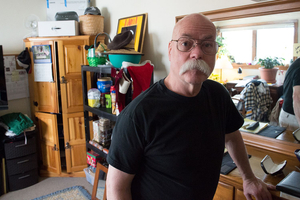
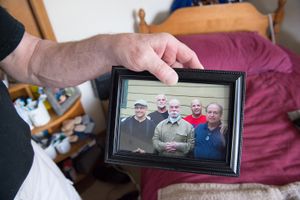
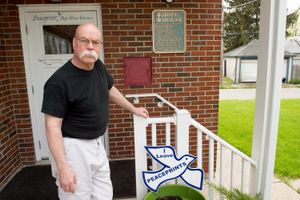
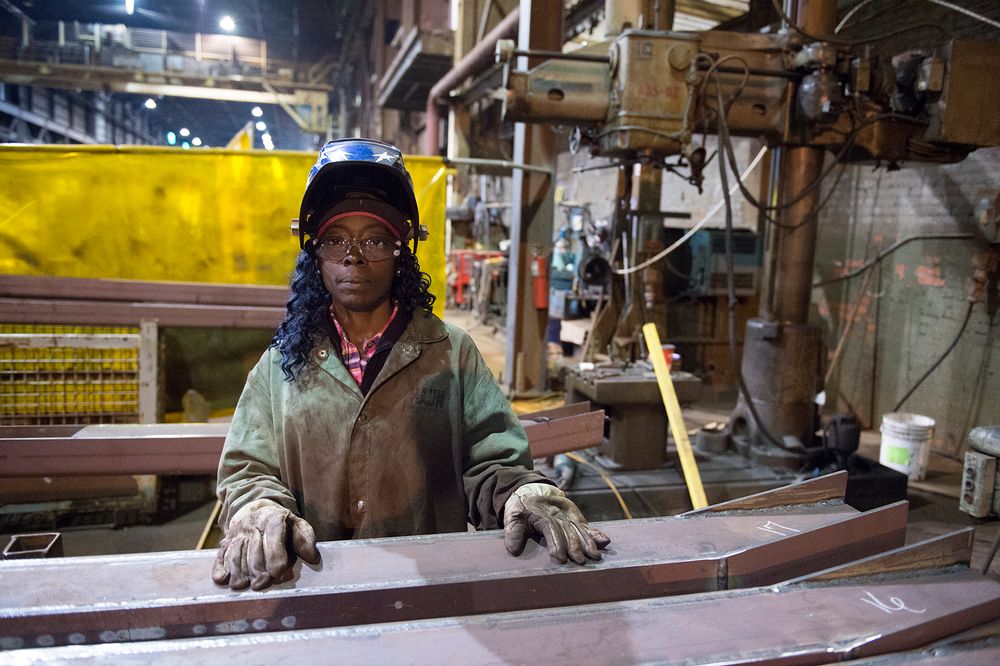
COMING HOME: Reentry After Incarceration Errol Daniels, Photographer Katherine Russell, Author COMING HOME is an effort to humanize criminal justice statistics and portray the challenges of post-incarceration life through word and photograph. By personalizing people’s stories as they re-enter society from jail or prison, we hope to encourage others in the community to remove barriers that lead to recidivism and shift the tone toward restorative, rehabilitative approaches. The chances of a former offender being rearrested within five years of release from state and federal prisons are 76.6% and 44.9%, respectively. Circling these statistics are questions of blame. Do these abysmal numbers indicate stagnancy in the formerly incarcerated population and an inherent inability to change, or do they show that our criminal justice system is failing to rehabilitate and prepare for life on the outside? Do these statistics call for harsher sentencing practices, or do they point to the barriers created by a stigmatizing, “tough on crime” culture? COMING HOME recalibrates what the public sees in those who are returning from prison. It is about peeling away the labels that are unforgivingly affixed to former offenders: criminal, ex-con, “low life,” gangster, thug. Research points to a vast number of barriers from housing and employment discrimination, to the little things such as learning how to use a computer or drive a car, which work in concert to prevent success after incarceration. We recognize that every crime has a victim, and victim voices are equally important. Our choice to focus on formerly incarcerated individuals acknowledges the fact that most incarcerated people will reenter society, and it is critical to explore their stories when we talk about preventing further crime and victimization. It is also critical to acknowledge the troubling state of our criminal justice system and its poor outcomes, as well as its disparate impact on people of color and the economically disadvantaged. In many respects, ordinary onlookers may see themselves in this group of former offenders, but the subjects’ stories of overcoming who they once were are extraordinary. The accompaniment of text, which will be based on interviews with each subject, is a highly engaging form of photo documentary. While onlookers can deduce a lot about the person’s life, spirit, place, emotion, and past from this series of photographs, the interviews reveal the untold: the images buried within our subjects and the memories they will carry for the rest of their lives. The submitted pictures were taken in New York State beginning in November 2016. We will continue to follow these individuals to document the months after their release. Some will triumph over the challenges of reentry; others will not. This project will culminate in a gallery display to generate discussion on reentry and criminal justice, as well as a book.
No categories selected
Photos (10)