
Human Landscapes from East Anatolia
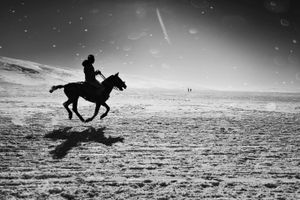
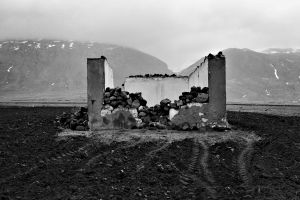
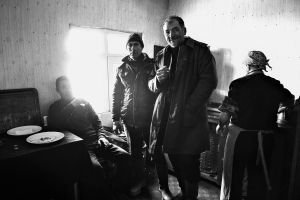
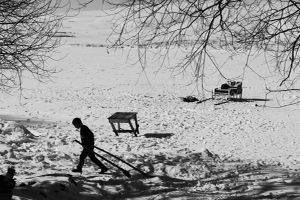
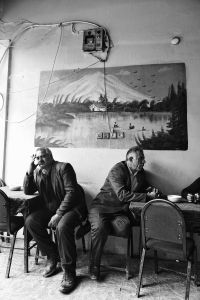
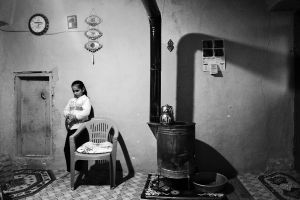
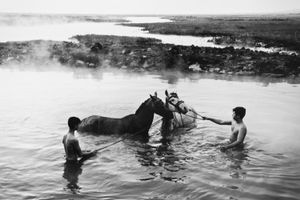
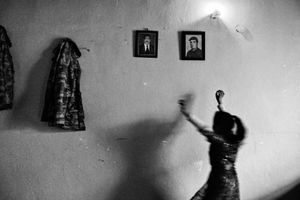
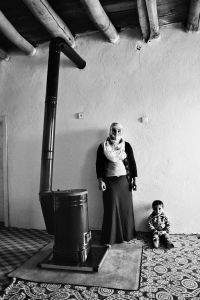
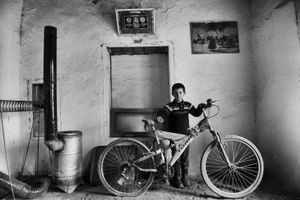
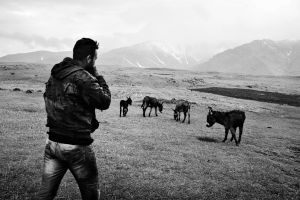
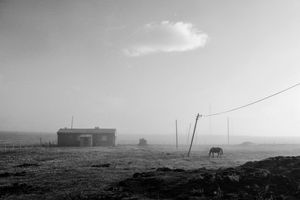
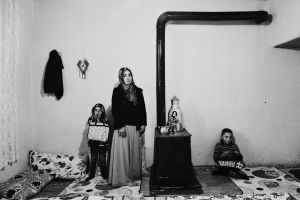
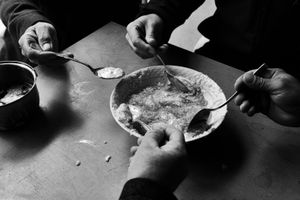
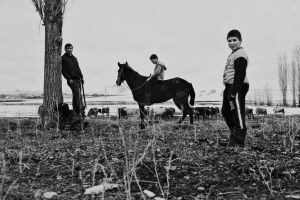
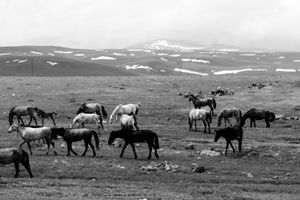
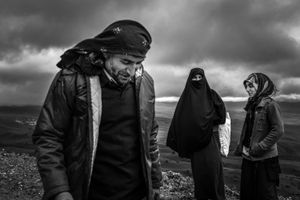
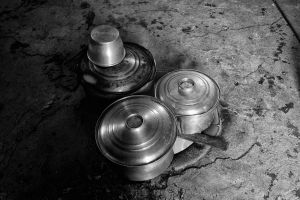
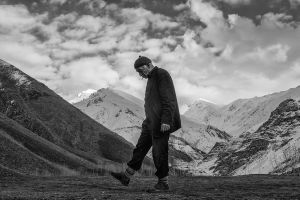
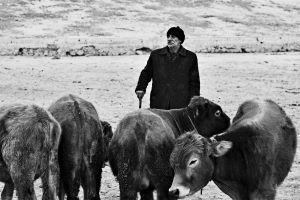
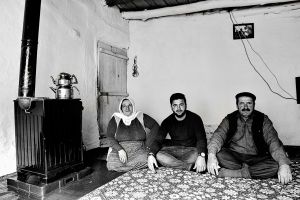
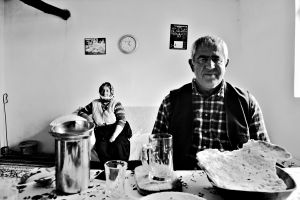
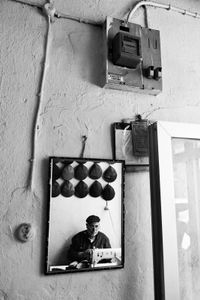
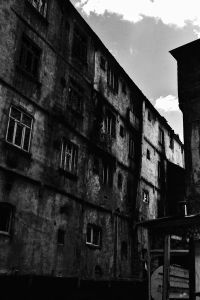
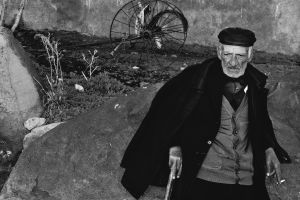
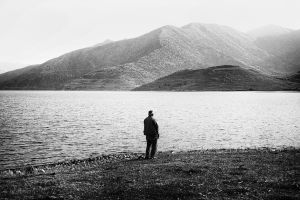
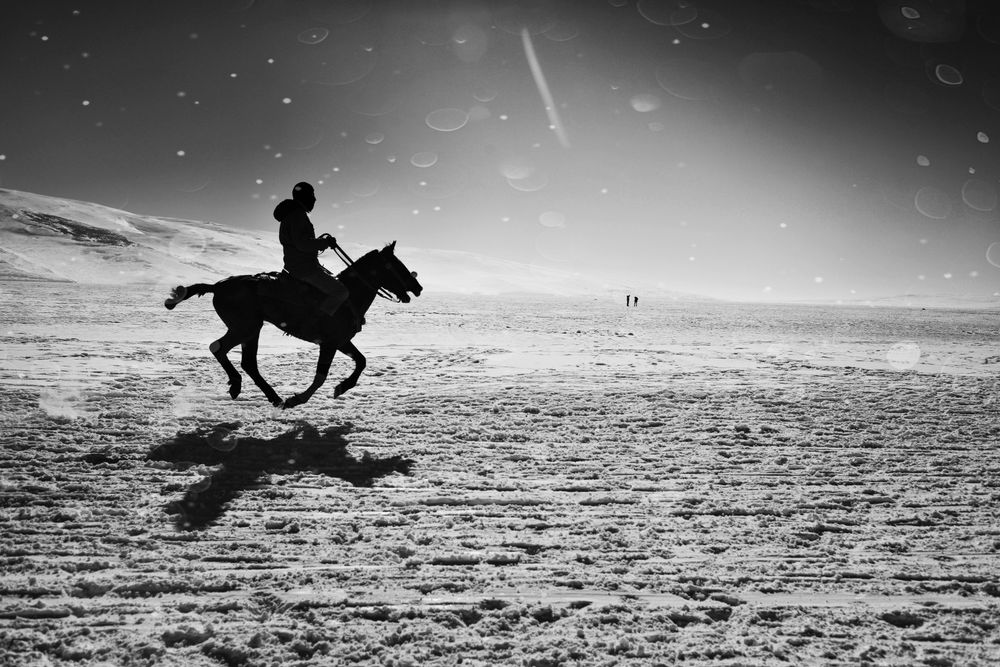
Throughout history, the scarcely populated East Anatolia (East part of Turkey) has been the land of war, rebellions, migrations as well as the host of ancient cultures. The long periods of neglect have been a time capsule for the region. Accompanied by the harsh climate and the challenging geography composed of monumental mountains and high lands, the region has engraved itself deeply inside the characters of the people. The locals are very enduring, talking straight in the face, deeply respecting the moral codes of the region as well as being highly tolerant, mutually respectful and hospitable. Yet, these codes, including the family obligations especially, are also a burden that one can observe in their faces, not to mention the tacit complicity and the unemployment that eats away their lives. The poetic landscape itself is an integral part of the people, far beyond than an ornamental background, but rather as a foreground with all its constitutes. It defines and shapes life deeply, including the people as well as the animals. It is implicit in the stillness, the depth of their connection to the earth, the freedom and the joy, that manifests the region all at once. The extreme cold triggers insecurity, alertness and melancholy. These seemingly conflict states co-exist in a unique harmony. The outer landscape is mirrored in the interior landscape of the mind. Within minutes, one feels captured by a profound euphoria rooted in this refined simplicity and care for the real needs in life. That's what has happened to me in my first visit to the region and what drew me back several times. This series is meant to be a disturbing visual journey through the soul of East Anatolia. An experience that surfaces sometimes in a ruin, sometimes in the strength of a running horse, sometimes in the melancholy of a shepherd.
No categories selected
Photos (26)