THE ABSENCE OF THE PRESENT
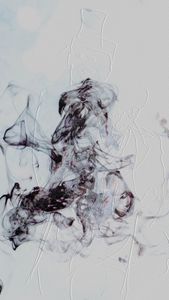
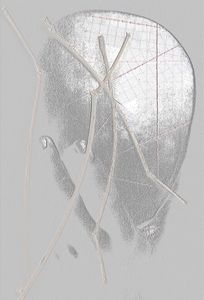
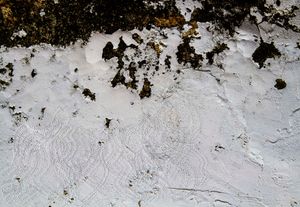
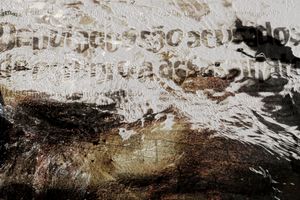
Today we live the planning and the waiting for the future, and the interpretation of the past at the same time. Doubt, uncertainty and indecision are present in the present. The narratives suggest a sense of disbelief, a lack of perspective, an unstable future, and a changing past. The photograph post-production emphasizes this non-linear reality through the overlaying of layers, and the fiction develops the thinking and questioning about belonging to the present time. The tale "Funes, the Memorable", written by Borges, was used as a reference to the elaboration of this essay. In it, Funes, the main character, after suffering an accident which left him paralyzed, starts suffering from a condition which makes him unable to forget his memories. Although portrayed in another time, the story conveys the same idea of what we are living today in a world where the excess of information makes us easily forget what we read, see or think. From the standpoint of the character, the ability to remember all the people, details, or scenes he lived, was just a matter of simply storing data in his memory, with no judging, questioning, thinking or imagining what was being registered. The character recalls all those moments and sensations, but does not know what to do with so much information. He does not think, he does not live his present time, he does not imagine the past, he does not establish a bond with the future. He simply collects souvenirs, as we collect news nowadays, as we allow ourselves internet accesses with no filters. His memory does not imagine, does not forget, makes the present time become an interval, an absence, and accurately portrays forgetting as a necessary condition. Despite remembering everything, the character cannot understand the world the way it is. The feeling is that our experiences are like layers of memory. Some are absorbed, others disappear. This erasure is represented by the fragmentation between text and image, by the melting of the headlines in the news (collected and scanned on a daily basis during an 8-month period), by the difficulty of reading them, by the fiction portrayed in Borges´ character, by showing people who do not seem to belong to the present time. However forgetfulness scares us. We long for a past which is not fragmented, presents no amnesia, displays written and printed traces, includes the absent present, and covered by marks, recognitions and truths. The absence and accumulation experience a malaise, but they condemn neither memory, nor time, nor forgetfulness.
No categories selected
Photos (20)