
The Last Warriors of The Andes
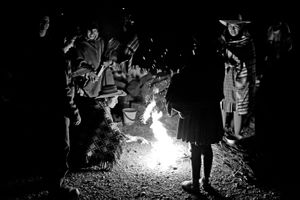
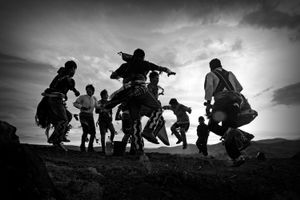
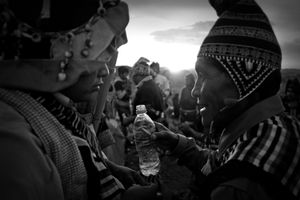
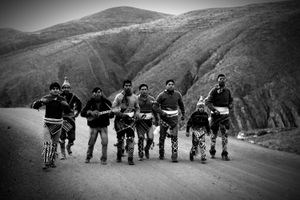
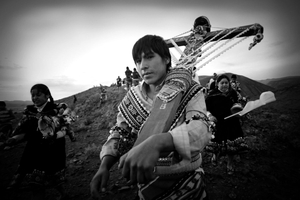
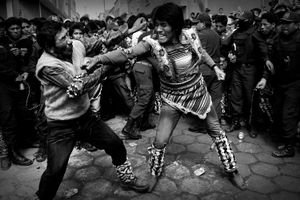
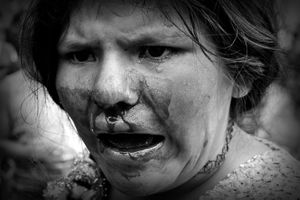
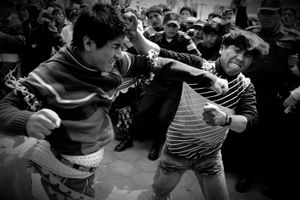
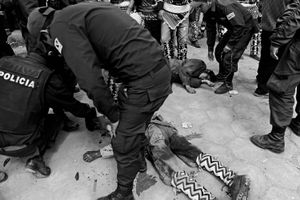
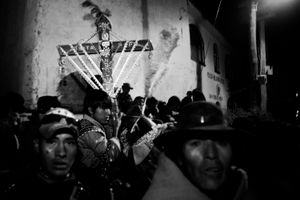
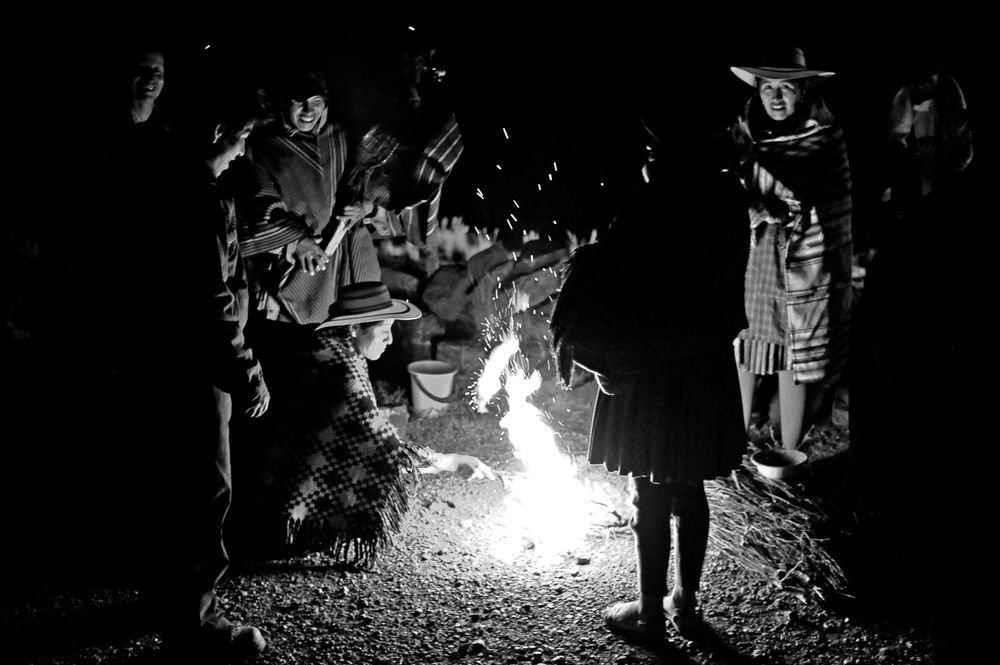
With the advent of the dry season, when the villages conclude their crops and Quechua Indians from different communities near Macha in northern Potosí, Bolivia, they stop working in the countryside to celebrate the Feast of the Cross and the traditional Thinku ritual (the word Tinkuy that in Quechua language means encounter). Feast characterized by its syncretism between Andean and Catholic rituals, Giving reverence to the Pachamama (Mother Earth) and the Lord of Veracruz represented in a cross and that through the centuries lasts until our days. The day before the beginning of the ritual fights, the whole male population of the community congregates in the sacred hill of the community where the Tata Cruz lives, to ask for strength in the fight. At dawn on the day of the ritual fight, the communal troop begins the journey to Macha where the Thinku will take place, the community marches to the rhythm of the Jula-Julas, led by the Tata Cruz (the communal cross). During the journey, the community will meet with other members of the community, so that upon arrival in Macha is a large mass of fighters generating a deafening and powerful noise upon their entry to the main square of Macha. After several days of ritual fights, meetings and religious celebrations. The Ritual Fighters, some of them bleeding to death after the fights, and others so happy to offer their blood to the pachamama (Mother Earth) in a symbolic call to fertilize their arid territories and also to prove their manhood and find a mate.
No categories selected
Photos (10)