Light pollution is excessive and inappropriate use of artificial light and it has been shown to cause cancer in humans by suppressing melatonin and disrupting the circadian rhythm(1). Light pollution is also responsible for killing migratory birds by altering their behavior to fly towards buildings(2). Sea life is even affected since excess light limits acceptable nesting beaches for sea turtles as well as disorienting hatchlings, causing them to crawl inland(3). From all this and more we know light pollution affects diverse and critical biological functions across a large ecological range with orientation to or from light sources altering behaviors from foraging to fertility (4,5).
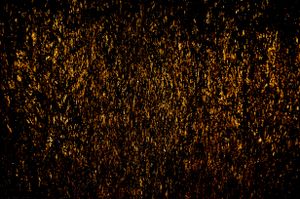
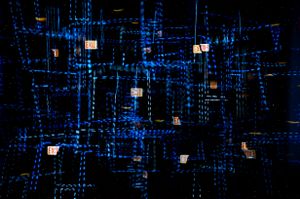
While light is a necessity for modern life, its ubiquity is unrestrained. This series aims to show light pollution through star visibility because it is a tangible effect for viewers to see, showing light’s pervasiveness firsthand. An overabundance of light sources in the photographs, along with the naturally alluring quality of light, is meant to draw people in showing the universal power of light as a stimulus as well as mirroring the pull of our own innumerable lights on animals and insects. After learning about the effects of light at night and reflecting on the prevalence of artificial light, this series pushes viewers to change habits improving the environment for themselves and others.
1. Reiter, R J, et al. “Light at Night, Chronodisruption, Melatonin Suppression, and Cancer Risk: a Review.” Critical Reviews in Oncogenesis., U.S. National Library of Medicine, Dec. 2007,
www.ncbi.nlm.nih.gov/pubmed/18540832.
2. La Sorte, et al. “Seasonal Associations with Urban Light Pollution for Nocturnally Migrating Bird Populations.” Global Change Biology., U.S. National Library of Medicine, July 2017,
www.ncbi.nlm.nih.gov/pubmed/28695706.
3. Witherington, Blair E., and R. Erik Martin. “Understanding, Assessing, and Resolving Light-Pollution Problems on Sea Turtle Nesting Beaches.” Aquatic Commons, Florida Marine Research Institute, 1 Dec. 2010, aquaticcommons.org/115/.
4. Baker, B J, and J M.L Richardson. “The Effect of Artificial Light on Male Breeding-Season Behavior in Green Frogs.” Canadian Journal of Zoology, Brock University, 5 Dec. 2006,
www.nrcresearchpress.com/doi/abs/10.1139/z06-142#.WaA8QRPytTZ.
5. Navara, Kristen J., and Randy J. Nelson. “The Dark Side of Light at Night: Physiological, Epidemiological, and Ecological Consequences.” Journal of Pineal Research, Blackwell Publishing Ltd, 25 June 2007, onlinelibrary.wiley.com/doi/10.1111/j.1600-079X.2007.00473.x/full.