
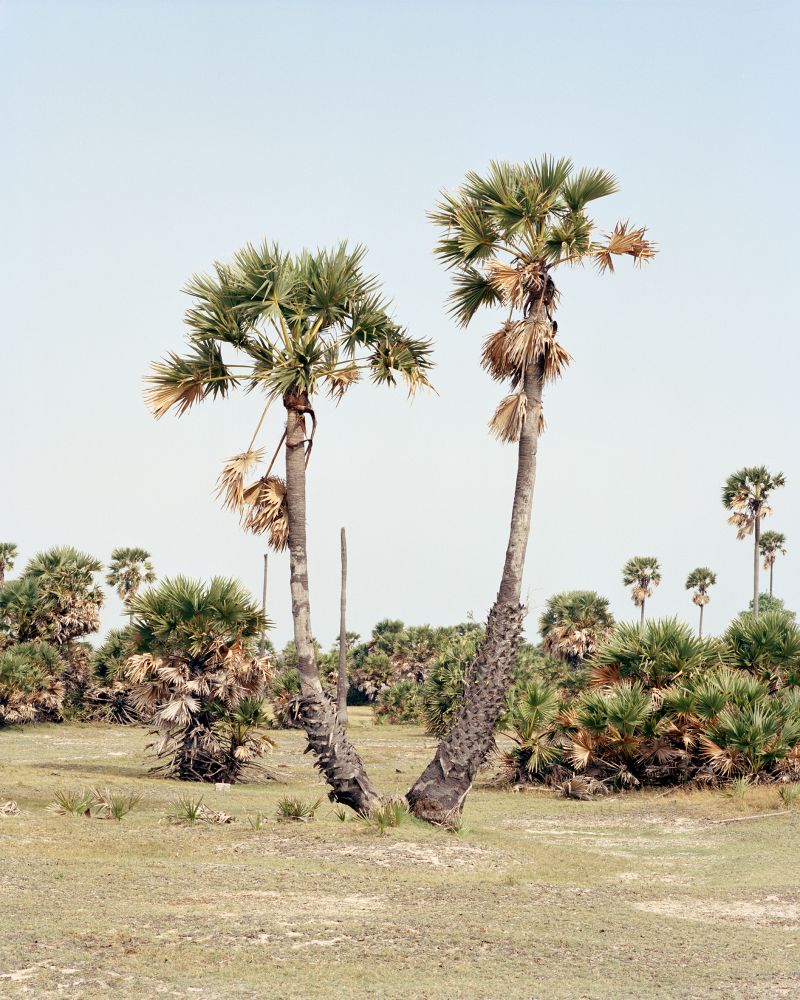

UNDER THE PALMYRA TREE: Sri Lanka's scarred Tamil community
Intro The Palmyra tree, sacred to the Tamil people, has borne witness to the savage civil war that raged underneath them for more than 30 years. Under the Palmyra tree documents the scarred and traumatized Tamil community in northern Sri Lanka, a community that has struggled with the psychological and physical aftermath of 30 years of civil war, fought between the Sri Lankan Army and the Tamil Tigers (LTTE). After the war ended in 2009, and while tourism in South/ Central Sri Lanka flourished, the Sri Lankan government worked hard to cover up all evidence of the devastation, war crimes and genocide in the north of the island. Today the Sri Lankan Army still occupies and controls the northern region of the Island and for many Tamils the war never really ended. What and where In the early 1980’s, Sri Lanka riots erupted after the Singhalese community tried to impose its language on the Tamils. This period saw the birth of numerous rebel groups, including the Tamil Tigers, who, after winning an internal battle for control of the independence movement, called for an independent Tamil state, and fought a savage, 30 year civil war with the Sri Lankan army, which only ended in 2009. The civil war in Sri Lanka, where the Tamils make up 14% of the population, was as much driven by ethnicity as it was by politics. Even today, the government continues to make life impossible by the confiscation of land, harassment of the local population by the army and police, and restricting access to education and the local economy. During the conflict, the SL army forced thousands of Tamil civilians into so called “No Fire Zones”, where they were promised safety. Instead, the army systematically bombed these supposed safe havens, under the pretext that they harbored Tamil Tiger rebels. Soon after the war ended the government in Sri Lanka began to cover up the war crimes and genocide that it had committed during the war, crimes that the army denies to this day Claims of torture, rape, executions, the use of illegal weapons like cluster bombs, and chemical and fuel bombs, have all been dismissed. This subtle process of continued oppression means that, even though the civil war ended in 2009, the Tamils are by no means free. They remain under the thumb of a government and military system that views them with suspicion and condescension. Both foreign and Sri Lankan journalists have long been prohibited from travelling to former war zones in the north. Consequently, very little has been publicized about the plight of the Tamils, leading to the impression in the Western world that all has returned to normal. The Sri Lankan government is intent on keeping it this way. They still make it very hard and difficult for foreigners to enter these areas as they are still listed as “High security zones” and are occupied by the SL Army. Informants live in every village and there are still many intelligence operatives who shadow civilians, journalists and NGO staff. Only in the last few years has the government allowed a few local NGO’s to work in the worst affected areas, but with only a handful of psychiatrists working in all of Sri Lanka, few get the help they need. The next generation of Tamils faces many difficulties. Broken homes, traumatized families and continued discrimination by the government, results in many ending up in a life of crime, prostitution and substance abuse. Everywhere you meet people who are scarred and traumatized, and who struggle with poverty and depression. The civil war, which raged under the Palmyra trees of Sri Lanka, affected every part of the Tamil community. The people in these pictures continue to be oppressed by the Sri Lankan government, and could face retribution for taking part in this project. That is why the locations and names in these captions have been purposefully kept vague.
No categories selected
Photos (16)


