
ANKOKU BUTOH (Dance of Darkness): Moments of transmutation.
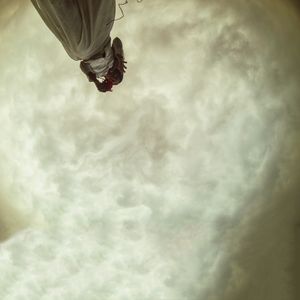
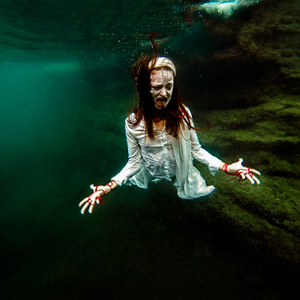
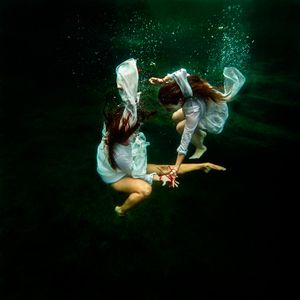
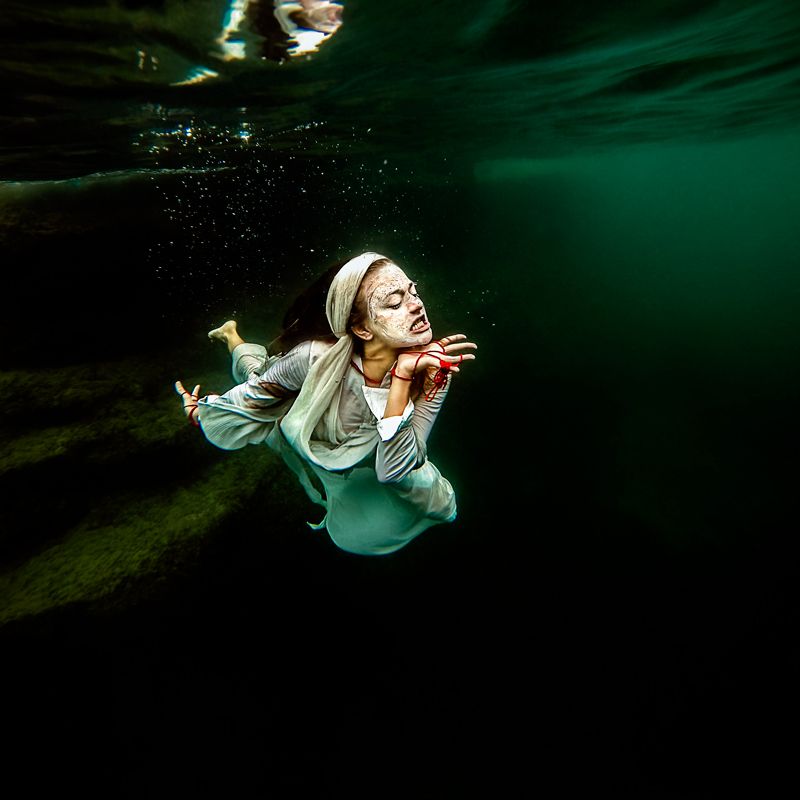
Butoh pursues the awareness of repressed emotion, pain, and its evoked images, seeking transmutation through dance to achieve the liberation of the socially established. The social and individual "masks" have to vanish with a trance turned into a dance. Butoh is a dance born in Japan from the turmoil and confusion generated after the World War II, butoh is developed as a form of theatrical dance partly in response to the bombings of Hiroshima and Nagasaki and in protest of Western materialism. Before becoming an aesthetic movement, it seeks its roots in the most authentic experimentation in the expression of the unconscious. Just as the surrealist "pure psychic automatism" was a "dictation" of the unconscious through literature and the visual arts, butoh is dictated through corporal expression and dance. Butoh reveals the ascetic dimension of the body by getting rid of the stipulated conventional aesthetic and unmasking the grotesque, androgynous and obscure that resides in the repressed unconscious. Kazuo Ohno and Hijikata Tatsumi are the main founders of the dance. Zen (the cultural base of Japanese asceticism), the Nō theatre, the surrealism and the German expressionist aesthetic influence basic forms of butoh. Butoh is not a meditative practice, it is a process of expression of the unconscious for its awareness. Around 1968, Hijikata convinces himself that the female gender is innately prepared for the connection with the senses and the unconscious and therefore, was predisposed in a natural way for butoh. "I would never jump or leave the ground; it is on the ground that I dance.", said Hijikata. Butoh is an earthly dance; it needs the gravity, the support and the tension that it facilitates. Water relaxes the muscles, it lacks both, gravity and oxygen. Butoh underwater, naturally, has been never done in the Japanese tradition. This project does not aim to document butoh dance, instead, it aims to provide a symbolic representation of the metaphoric inner process of the original Ankoku Butoh. For this, is established a parallelism between the preparation process of the dance and the dance itself as a process of internal transmutation. The terrestrial exterior is used as a conventional conditioned mental state (unstable and confused) and the underwater dance as a process to the state of consciousness, through butoh and its own elements. More info: https://beatrizglezsa.com/ankoku-butoh-dance-of-darkness-moments-of-transmutation/
No categories selected
Photos (34)