
Vestiges
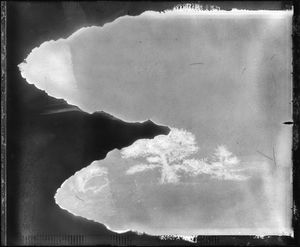
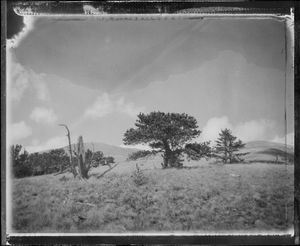
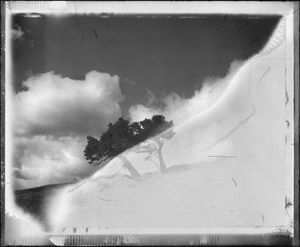
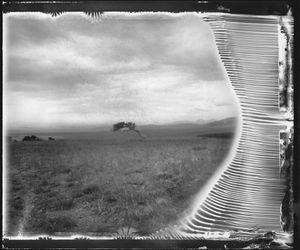
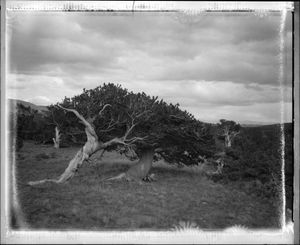
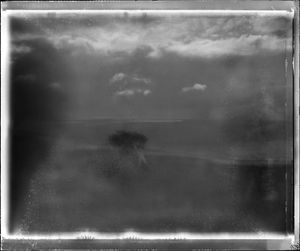
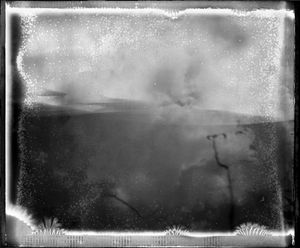
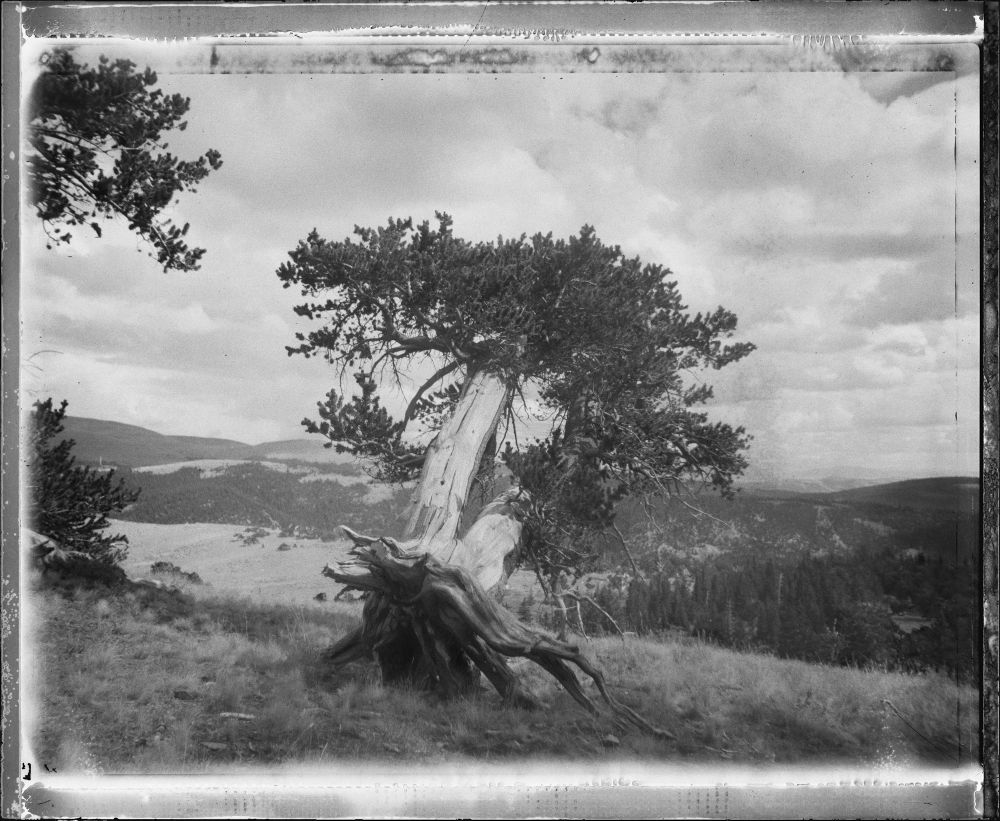
I have held a lifelong interest in the intersection between humankind and the more-than-human world we inhabit. As an artist, my work centers on this intersection, fusing with it the language of photographic media through which I study and represent it. Vestiges is a visual meditation on humankind's influence on nature, created over several visits to a unique grove of Bristlecone Pine trees near my home in the Colorado mountains. These pines, many well over one thousand years old, have prospered in some of this planet’s harshest environments. Rising from thin, arid soil along the 11,200-foot tree line, they can endure fierce perpetual winds, long periods of drought, and year-round temperatures hovering near to well-below freezing. I am awed by their formal beauty, carved from the austerity of the remote environment they call home. I am moved by their strength and resilience against time, wind, altitude…everything but us. These ancient trees, some alive since the Roman Empire, are, at last, dying. Their slow demise is due to human introduction of the Asian white pine blister rust fungus, brought to the US via non-native nursery trees, and spread on un-sanitized commercial logging equipment. The ancient trees have no defense against this invasive lethal fungus, which also acts to weaken their defenses against destructive native insects. Formerly benign to bristlecone pines, pine bark beetles have begun infesting the trees aided by our warming climate’s longer summers. Witnessing these trees now, it’s hard to imagine that the combined forces humans have brought to bear—invasive species and climate change—is killing this ancient species that is not only significant in its own right, but has proven to be beneficial for watershed protection and wildlife habitat. But beyond existential and ecological relevance, these trees have helped define our very notions of the American western landscape. I have visited this grove of trees throughout the 15 years I have lived in Colorado. I visit them like a temple or a sage, and consider the myriad global changes through which they have stood. I photographed them throughout 2015-17 using Polaroid Type 665 positive-negative film (produced 1977-2006) that expired in 1986. The visual implications of the expired film--its imperfections and truncated tonal range--juxtaposed with the unique Bristlecone Pine forms, underscores the steadfast value of the past, and a sense of darkness as we move into a future where industry and technology supersede our adopting a balanced place in the natural world.
No categories selected
Photos (10)