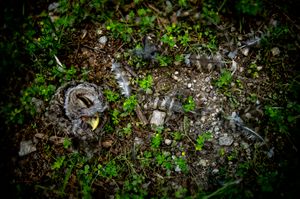
The Vanishing Blackland Prairie examines natural terrain, animal life and culturally ascribed value within one of the most endangered ecosystems in the country—the grasslands and Eastern Cross Timbers of north Texas and south Oklahoma-- an unprotected land that is often and wrongly assumed to offer little in the way of transcendental beauty due in large part to the absence of monumental spectacle such as mountains and waterfalls.
An area once defined by tall grass prairies and fertile soil now has less than .05% of the original 12 million acres of prairie. Overgrazing of livestock, disturbances from land clearing, pesticide use and commercial development are major factors changing this environment, endangering the prairies and reducing the area’s native species.
In my photographs three types of arguments are implied for why we should care about the vanishing prairie of this region. 1. There is, first of all, the aesthetic argument: in the words of John Burroughs, “I go to nature to be soothed and healed and to have my senses put in tune once again.” 2. In a very practical way, it should also be noted that aesthetic appreciation raises collective and individual states of consciousness, influencing public policies and individual behaviors. Moreover, if we see the land as one organism and all species as part of an interconnected web that sustains human life, we will then become aware of certain ethical problems: 3. On ethical grounds, we must act with the understanding that to threaten another species and the ecosystem as a whole is wrong.
My work reveals the prairie to be a delicate ecosystem, wondrously connected to the region’s woods, thickets, floodplains and waterways. Countless relationships abide here. The raptor hunting in the prairie grasses relies on the woods for nesting. The migrating monarch depends almost exclusively on prairie milkweed. Such overlooked beauty and alterations within this compromised environment compels me to photograph the area.
Recognition by LensCulture would provide an opportunity to compel the viewer to reconsider their presumptions of natural beauty so that we may begin to value the prairie terrain in ways that transcend its instrumental and monetary worth, ultimately allowing space to consider the intrinsic value of this ecosystem and inspire a new stewardship for the scattered fragments of prairie that remain.