Wellard
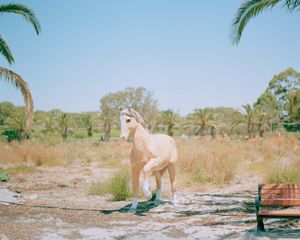
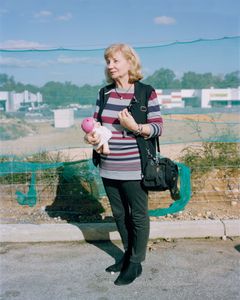
Text by Michael Dooney, Director, Jarvis Dooney Gallery. "The Australian Dream of owning one’s own home is an integral part of the Australian experience and identity. Epitomised in Australian popular culture, home ownership is a rite of passage revered in much the same way as marriage and starting a family. Whilst the traditional nuclear family is less of a societal expectation than it was in the past, escaping the rental market and taking on a mortgage continues to be a major measure of prosperity and success Australians strive to achieve. At the beginning of 2016 Tim’s family relocated to Wellard; a suburban redevelopment on the outskirts of the metropolitan area, 40km south of the state capital Perth. The images herein reflect his personal observations of this new estate and his place in the celebrated Australian Dream. Although his record is largely autobiographical, there are typical recurring themes related to this phenomenon that many Australians also experience in their lives. The initial view of the empty street invites us into the mind of the hopeful new home owners, their hard work having paid off and their bright future within reach. Looking down the road during twilight, the unfinished pavement, mounds of yellow construction sand and other building materials, evoke an enthusiasm intrinsic to the Australian identity. Hearing the magpies and crickets in the neighbouring bushland, anticipating the heat in the morning and relief of the breeze in the late afternoon. The sounds and smells of Australian landscape invigorate our senses, as we look forward to the completion of our new home and an optimistic future ahead. However it is a cautious optimism with which we look forward. Revealed by the security screens on doors and windows, surveillance cameras surrounding the house and the Police Department’s digital signage reminding residents to ‘Report Suspicious Behavior’ - The so called ‘War on Terror’ has permeated our laid back trusting character, causing unnecessary fear and want of increased security. Requiring our homes to not only protect us from the natural elements, but a growing list of threats that might cause us harm. Gazing out on the quiet streets of this idyllic residential development, we also cannot overlook the reality that is the environmental impact of Perth’s relentless urban sprawl. As we can clearly see throughout the series, large expanses of land are cleared to make way for new housing. The roads leading in and out of Wellard create a literal path through what was previously untouched bushland, rivers running under bridges where a compromise with nature was reached. The Australian bush is incredibly resilient terrain, able to withstand extended drought and regeneration following fire. Unfortunately due to rapid urban development and a consequence of building out rather than up, nature is defenseless as the rapidly growing city seeks to accommodate the house and land dream. Visiting Wellard through Tim’s work, and cognisant that it has now been almost ten years that I’ve lived outside of Australia, reminded me of my own experiences of the Australian Dream, putting into perspective the dramatic changes to our landscape which seem no longer sustainable. As Perth continues to grow and the city comes of age, what is still an experience so many of us share and celebrate, may soon become a relic of our past that we’ll inevitably have to let go. I feel this is why Tim’s documentation of Wellard depicts so much more than a typical suburban development; the series represents the hopes and dreams of so many Australians, in particular the security and way of life we strive for. Though home ownership is at the core of the Australian Dream, it is ultimately the memories and expectations we attach to this great symbol that we want to hang on to."
No categories selected
Photos (10)