
Before the Last Breath
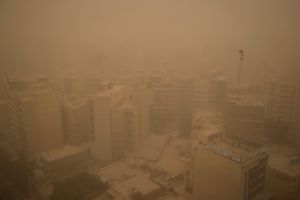
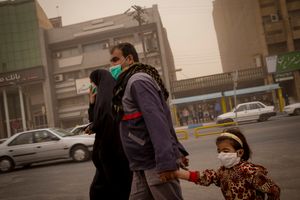
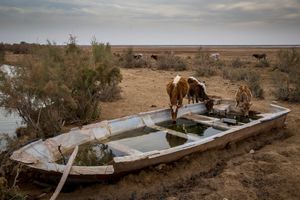
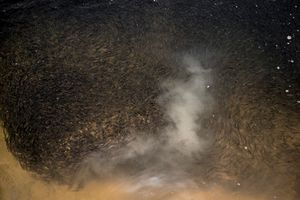
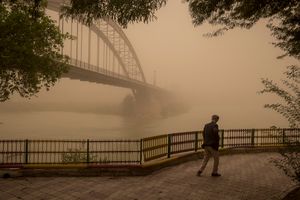
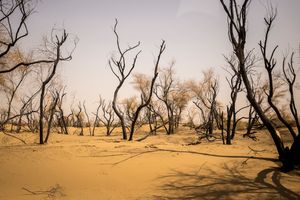
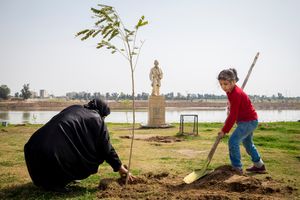
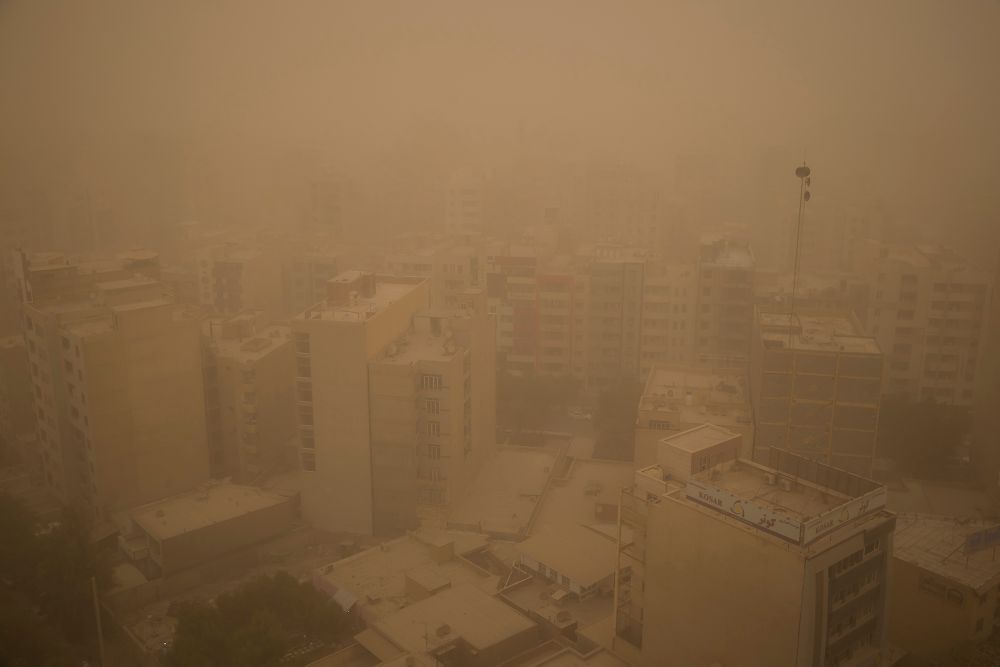
Khuzestan is one of Iran’s 31 provinces, located in southwest Iran and sharing a border with Iraq. Despite the fact that this province used to once be the country’s largest source of water and currently meets 83% of Iran’s oil demand and 16% of its gas demand, it is among the country’s most deprived provinces. In recent years the infamous Hour-al-Azim Lagoon has dried up due to a continuing drought and dust that has continued to plague the region. Khuzestan’s capital, Ahwaz, has become the world’s most polluted city in terms of particulate matter according to the WHO’s recent report. As a result of this phenomenon, thousands of the residents of this city and province have left this area in the past years. Many lagoons and water resources in the world are under the threat of extinction due to global warming. The absence of water in Hour-al-Azim Lagoon on the border of Iran and Iraq and the destruction of the Mesopotamian Lagoon in Iraq have altered the lives and health of millions of people. Projects designed to transfer water from the nearby Karun River and the construction of multiple dams have only intensified the drought in the Khuzestan Province already in critical condition: as a result of the intense dust, air pollution sometimes reaches 9985 microgram/cubic meter, which is 67 times the standard level. Respiratory problems, burning eyes, and cardiopulmonary conditions especially threaten the children, elderly, and pregnant women, and these problems have led to a five-fold increase in the prevalence of cancer in recent years. Khuzestan was once a destination for immigrants in the past due to its ample job opportunities, but according to the Director General of the Public Investment Office of the Department of Environment of Iran, 95% of the people of Khuzestan now intend to leave. Moreover, according to governor of this province, of the 4 million residents of Khuzestan, 200,000 have already left in the past 5 years. Over the past 15 years as this desperate situation has only continued to worsen, most people share a common sentiment: “this city is no longer a place able to support life.” I’ve documented the story of the Khuzestan water crisis, and its effects on the health and lives of those who call it this dying city home.
No categories selected
Photos (10)