
Bosniaks
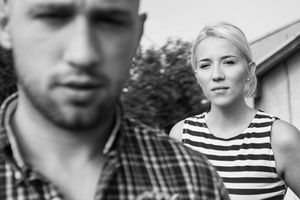
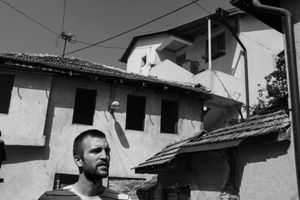
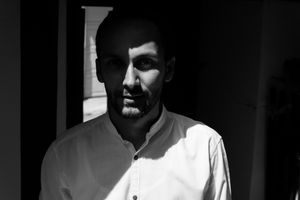
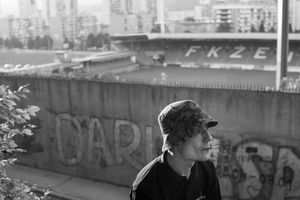
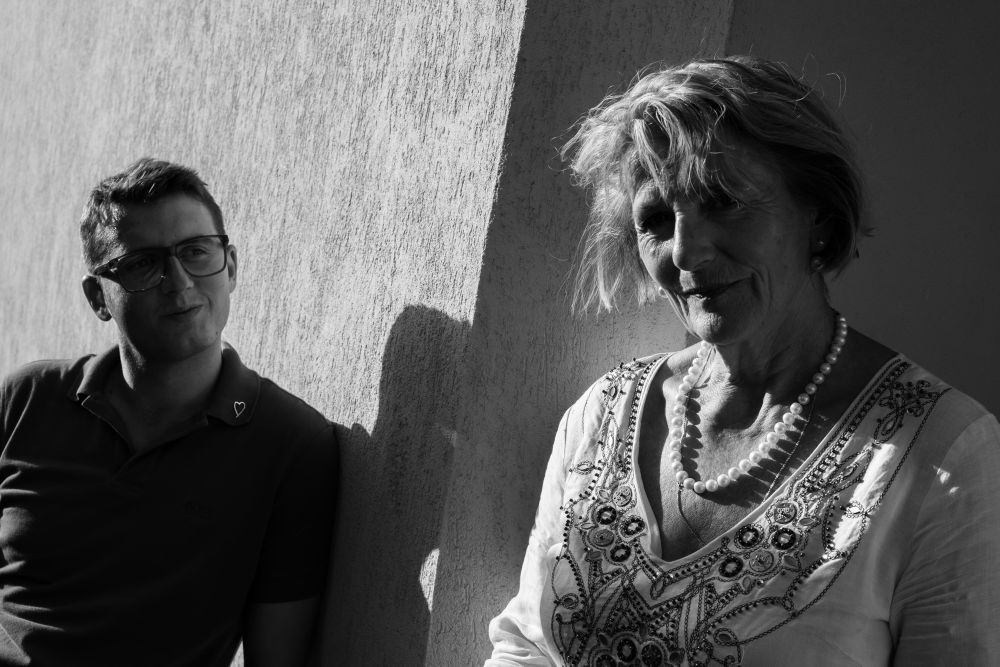
The war in Bosnia and Herzegovina began in the first days of March. The source of the conflict was the independence referendum and the establishment of a state independent of Yugoslavia. The siege of Sarajevo, the new capital of Bosnia, began a moment after, the aggressors were Bosnian Serbs. The conflict lasted 3.5 years and consumed tens of thousands of lives, many of them following ethnic cleansing. In the rain of falling mortar shells a normal life was going on. On both sides of the barricade, children were born. In the eyes of the citizens, this new generation was supposed to be a resistance movement not so much towards the armed opponent as to the volatility of life in general. 25 years after the outbreak of the war I went to Sarajevo to see the stigma that these tragic events had left on the current twenty and thirty years old Bosniaks. Some of them came into the world in besieged Sarajevo, some in exile; some remember the war stories clearly, others were brought up under a cover protecting them from this trauma. Everyone lost someone, everybody sees what sins this young democracy is commiting. Regardless, everyone wants to build a common society full of understanding for the differences with which war was justified. Everybody wants a cosmopolitan country in which Muslims, Orthodox and Catholics are equal.
No categories selected
Photos (8)