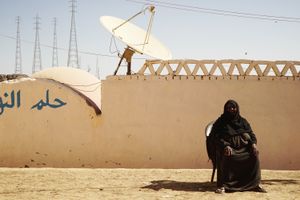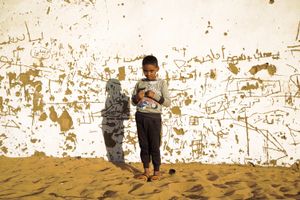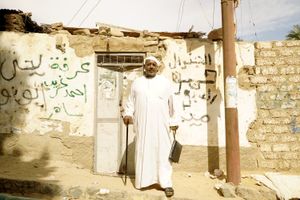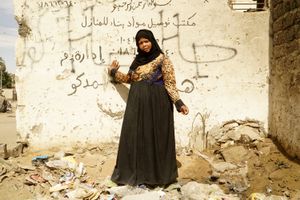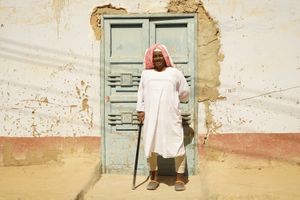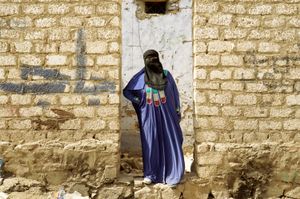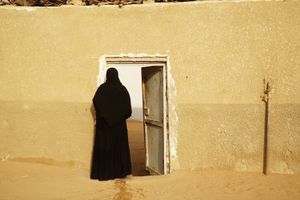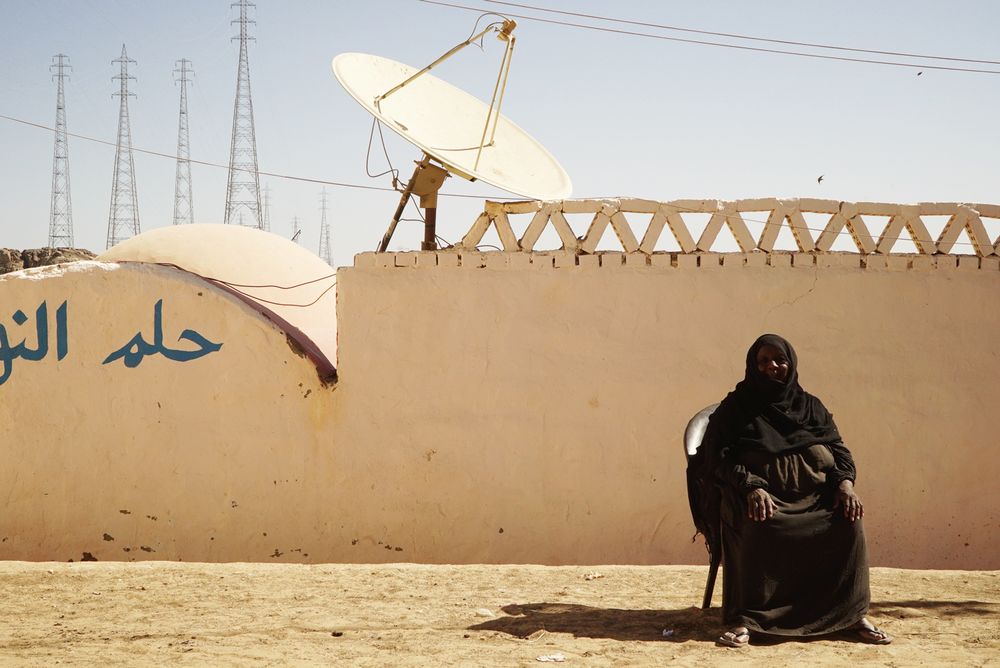
“Nubian – Egyptian Portraits”, Gharb Sohail, Egypt. Feb.2018.
These “Nubian – Egyptian Portraits” series are part of the project Gharb Sohail: Relocated Nubian Village, about the life of generations of Nubians who were relocated in this new village, on the West bank of the Nile, south of Aswan, Egypt. In 1970, with the end of the construction of the Aswan High Dam and the creation of the largest artificial Lake Nasser, not only 23 Ancient Egyptian – Nubian Temples were saved and relocated, thanks to the great UNESCO’s action, but 98,000 Nubians were forced to flee 39 villages. They left their lands and history behind to sink beneath the rising waters and move to new villages in Aswan and other northern towns. The lake, built to provide electricity to Egypt, was once the collective trauma of the Nubians. Almost all Nubia disappeared and only in the Nubian Museum a part of their history has been preserved with hundreds of stunning art pieces, sculptures and artifacts. Today in Gharb Sohail is still possible to meet the older generation, who have moved and build here their new traditional homes and the new generations, who grown and born here until now with 3,000 inhabitants. The bright and colorful walls of the simple mud-brick houses of this particular and traditional rebuilt Nubian village, between the blu clean Nile and the yellow sand desert, tell countless stories about these people with a such stunning ancient knowledges. The Nubian civilization is one of the oldest in the world, back to 8.000 BC with the settlement of Nabta Playa, to the firsts black Kush Nubian Faros of the XXV Dynasty. Even if many of the ancestor traditions have disappeared over time and their original habitat, with beautiful and original architectures are gone forever, they try to keep their heritage alive. They continue to bequeath folkloric tales of gold, gods and glory to each new generation, appreciating their unique culture, language, traditions, music, art crafts and simple good food. The Nubians have always had a strong social, community and family bond and hospitality is very important. Their economy depends on the winter tourist season that in the last years went very down. The old generation still wearing the traditional long cotton clothes, but the kids and teen-ager have a western modern style and often are mixed with interesting look. Despite their big history and culture loss, their natural cheerfulness and pride is visible in the dark and expressive eyes of their Ancient Nubian faces.
No categories selected
Photos (10)