

SPOMENIK - Alive concrete
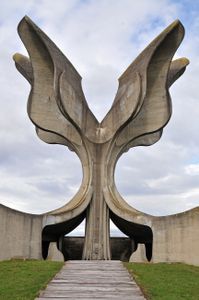
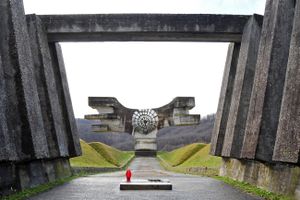
Tito envisioned a new society unified around its own internal sense of progressive optimism and by a collective righteousness. Spomeniks operated as political tools meant to articulate the leader's personal vision of a new tomorrow. The purpose of spomeniks was to be a tool to communicate history, mythology and ideology of 'Socialist Yugoslavia' to the thousands students who were brought there every year from all over the country. Their brutalist architectural style, looking futuristic and unintelligible today, makes them witnesses of Titoist utopia. These concrete giants, used to have an active political role, are now mostly abandoned, like an inconvinient legacy.
Photos
4
Status
Public
Created
Mar 27, 2018
Updated
Feb 08, 2022
Categories
No categories selected
Tags
#Spomenik
#Tito
#Jugoslavia
#Concrete
#Architecture
#Cold War
#Brutalism
#Jasenovac
#Ilisrka Bistrica
#Podgaric
Photos (4)
Cover
File:
1.jpg
File:
2.jpg

File:
3.jpg

File:
4.jpg
Add To Collection
No photos
Collaborated