Acts of Enclosure
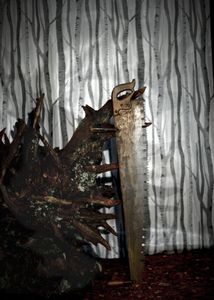
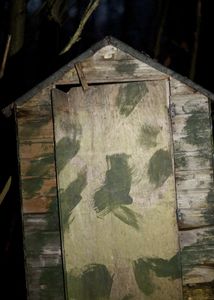
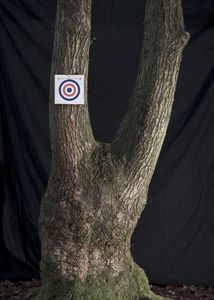
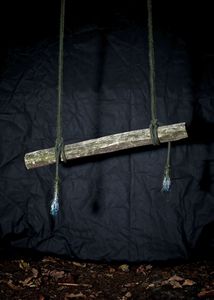
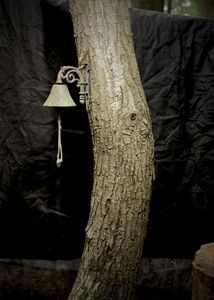
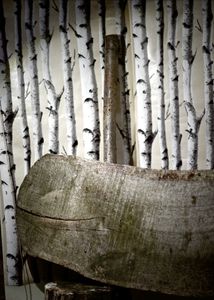
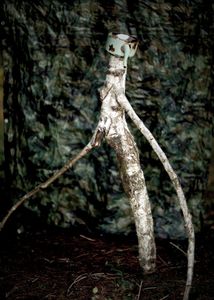
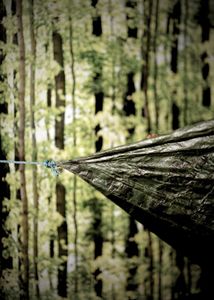
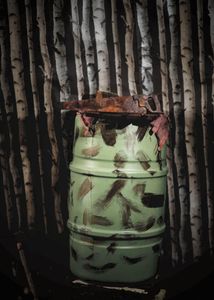
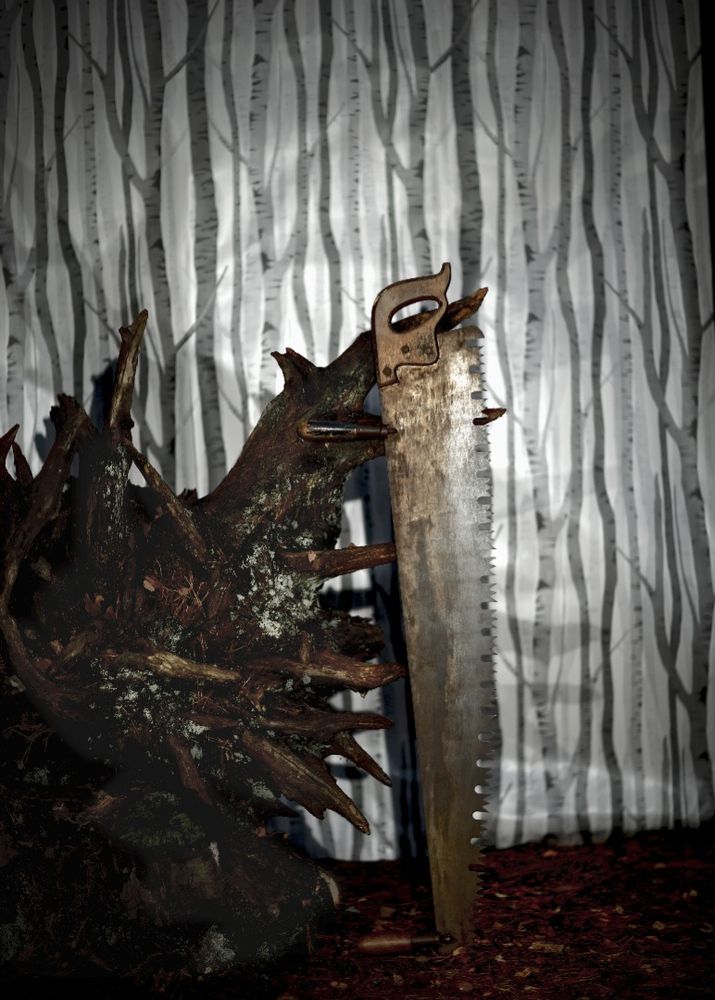
The Enclosure Acts of the 18th Century led to the fencing off of common lands and woodlands across England. This process of privatisation fuelled a massive increase in the production of food, which fed the industrial revolution and the movement of people from country to town. In some respects it marked the beginning of our growing physical and emotional separation from land. This project is an exploration of this separation and the ambiguity that still remains in our relationship to the natural environment. My work is based around woodlands in Kent that have been sold into private ownership, where families like to be part of nature but also close to domesticity - part of nature but apart from it, there and not there. In this work I am exploring the tensions within this relationship to nature and also the way that the camera can enclose for me the push and pull of these ideas and images. As we become a species that lives to the greater part in urban centres and the fragmentary wild places that remain are bound in by roads and development, so it seems we need to increasingly engage with images of nature in our homes and through the media; nature as myth and memory. This project forms part of my Masters degree and research into a photograph's ability to impart complex ideas and its relationship to reality; to show and not show. I have a particular fascination with the idea of camouflage, how it functions as a way of both marking and hiding our presence in nature and how this duality can be used in images.
No categories selected
Photos (9)