
Family, God and Country (The Polish Americans of Long Island.)
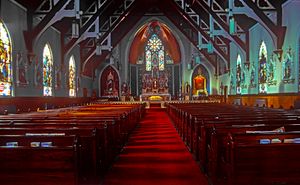
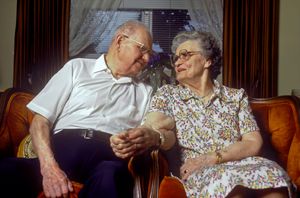
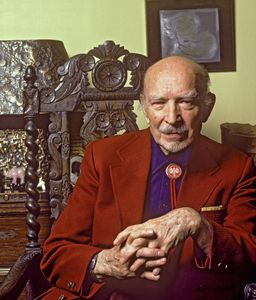
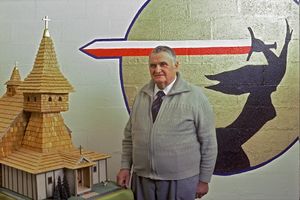
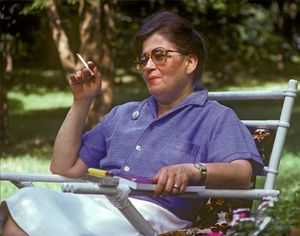
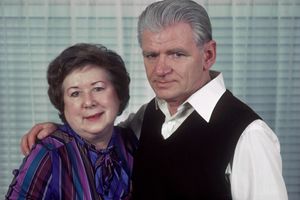
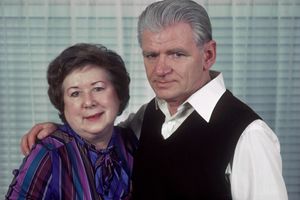
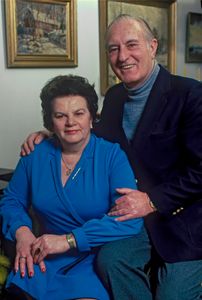
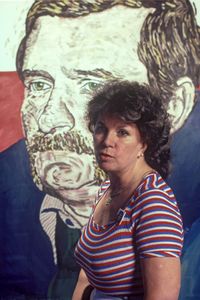
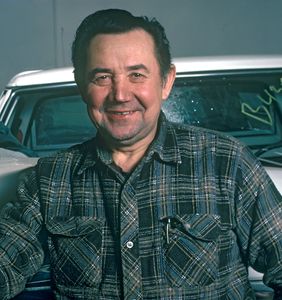
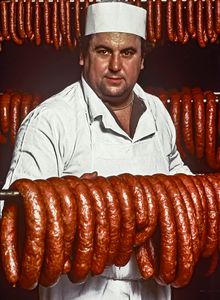
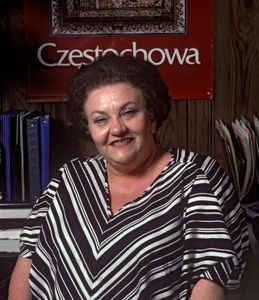
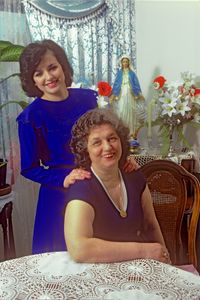
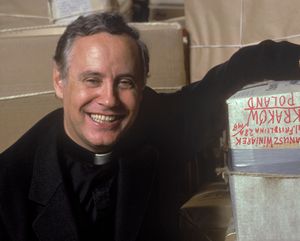
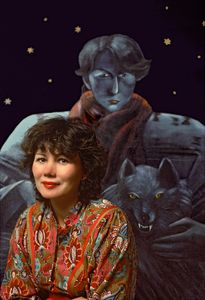
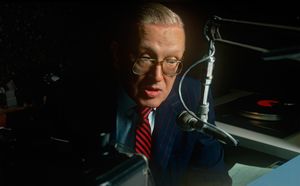
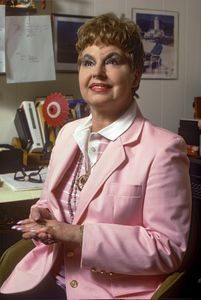
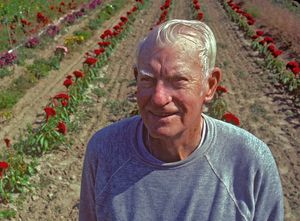
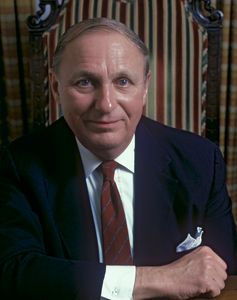
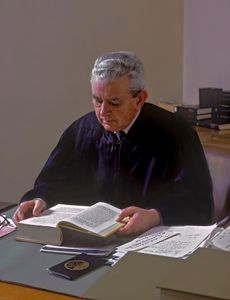
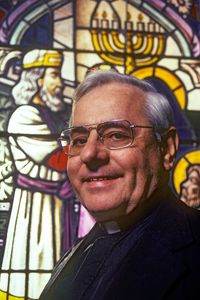
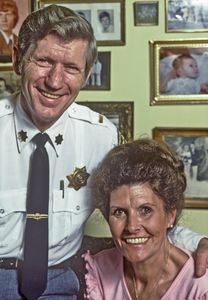
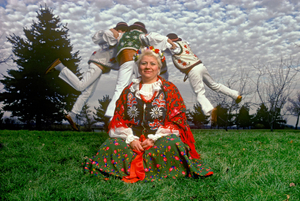
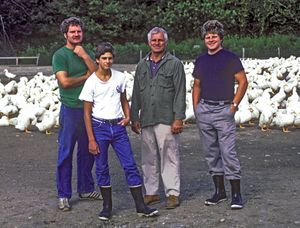
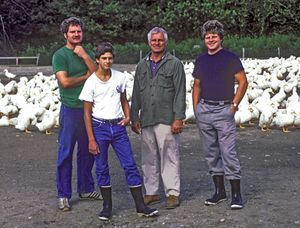
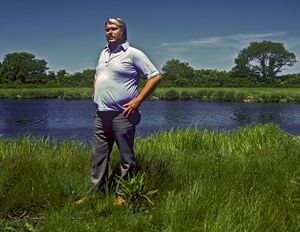
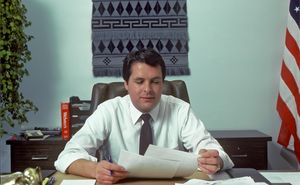
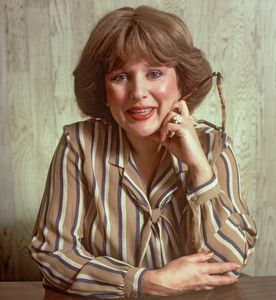
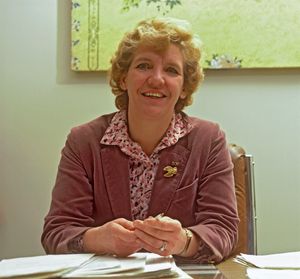
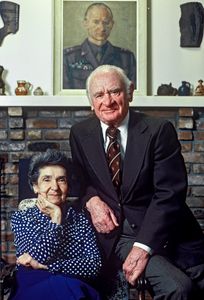
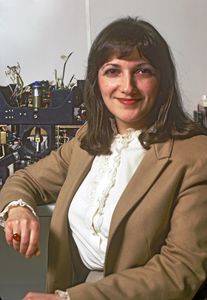
' One of the basic needs, aside from the needs of food, Shelter camera and love it's super long.' ' What is identity?" ' It is all a person can call his own. It is his name, the past, the values he believes in, the customs he cherishes, the norms he observes, his uniqueness, and his ties with something that stretches Beyond who's beginnings. This undefined " something" should have continuity, the ability to survive, to exist before him, and to be after he is gone. it should include him and be a part of him. for some, it is their religion, for some a Group they belong to, and for some the participation in their cultural heritage." Danuta Mostwin "The need to belong and a concept of Ethnic Identity." The history of immigration has always been fraught with and linked to long-standing exclusionary and inclusive visions of American identity and community. America is not made to be a settled society. This notion runs counter to our story about who we are; we've all come from somewhere else. America's remarkable historical, economic, and social prosperity is rooted in its immigrant foundations. The portraits and text are from an exhibit of 45 pictures titled Family God And Country The Polish Americans of Long Island. In 1985 when the exhibition opened, 8% of Long Island's Nassau and Suffolk Counties' approximate 2.5 million population were of Polish descent. My submission is apropos relating to the importance of immigration and reflects the fallacy of some current expostulated views being presented regarding immigration. In 1985 Poland had experienced only 60 years of independence since 1795. Occupation of its land and control of the government had created the conditions which prompted Poland's disenfranchised and oppressed to immigrate in mass. The pictures and text submitted reflected the three immigration periods, the reason for their immigration, and reflection on the background, showing their contributions and successes made through five generations. The first period began in 1889 and lasted until the change in US immigration law in 1924. These immigrants were primarily peasants who were illiterate not by choice but due to the policies of the partitioning power ( Russia, Prussia, and Austria), which prohibited the teaching and use of the Polish language. These immigrants left Poland mainly to seek a better way of life and to escape conscription into the Russian Army. Their children and grandchildren have become today's doctors, dentists, teachers, engineers, businessmen, and businesswomen. The second wave of Polish immigration came after World War II, facilitated by the Displaced Persons Act of 1948. It brought Polish soldiers who were demobilized in Britain and released Nazi camps. They were very different from Poles who came earlier. They had received primary education. Many held University degrees; many more were College trained professionals or highly skilled artesian. Only a few had no experience or job qualifications. The third immigration wave began in 1957 and is still in progress. They are the people who, for the most part, come directly from Poland. These immigrants, who come for political reasons or seeking new and better opportunities, differ considerably from the first and second immigrant groups. They reflect the Great change in Poland's last 40 years. They are self-confident, enterprising, aggressive, and experienced. They work extremely hard and live thriftily to buy homes and help their families in Poland financially. More and more talented Poles are settling in the US. This influx is not noticeable because they still are in personal and professional adjustment to the American way of life. All pictures and interviews are listed in chronological immigration and generational sequence. NOTE: Due to restricted character length Jesman and Dubicki are in two parts.
No categories selected
Photos (37)