The Transient Landscape
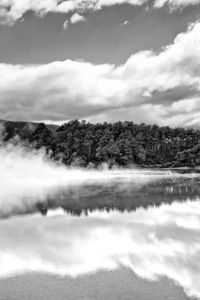
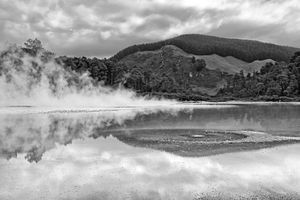
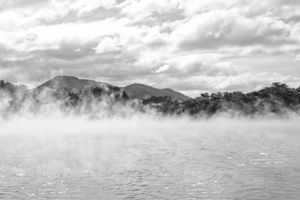
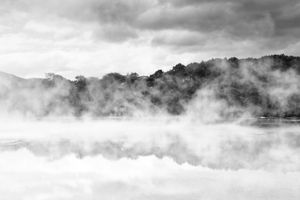
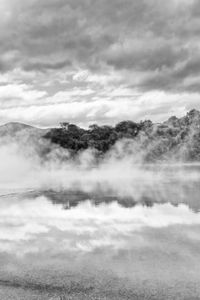
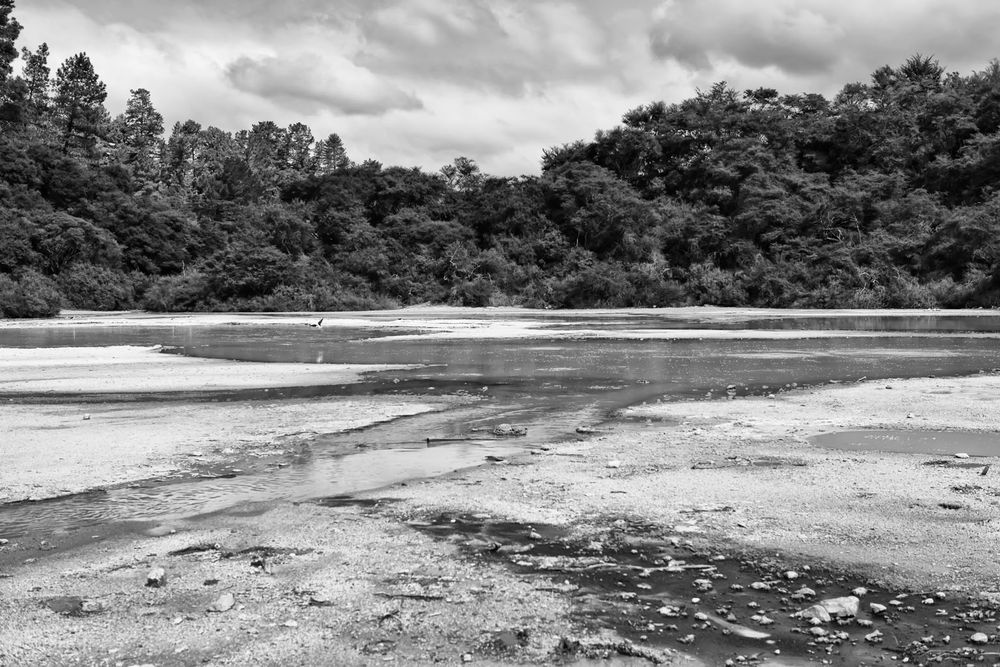
A photograph only represents a partial view of a transcendental phenomenon, but time stretches beyond the edge of each photograph. As transient time cannot be confined, I have utilized empty white space in my photographs in order for the imagery to ‘unfold’ and ‘become’. This extension goes as far as our imaginations and blurring the boundary between past, present and future. After all, time is constantly in motion, moving freely between different dimensions as described by the Belgian art theorist Thierry de Duve: "Time is not a model, not comprehensible as logic or metaphysic paradigm. Time is always a ‘before’ and ‘after’ but also a “not yet’ and ‘not anymore’, being virtual and actual the same time (Wittmann 2009)." This balancing act of co-existence blurs and dissolves the boundary of ‘contradiction’, bringing two supposedly opposing forces together. Presence and absence continually permeating one another and this is especially true when we consider the relationship between positive and negative space in photography. White space is given to the sky and water, allowing fleeting images to manifest, revealing and concealing the mountains at the same time. What is left out of space is just as powerful as whit is included. The image “floats” between the “there is” and “there is not”, “being far away and nearby at the same time” (Jullien 2009, 57).
No categories selected
Photos (10)