
If you can read the ocean you will never be lost / 2014—ongoing
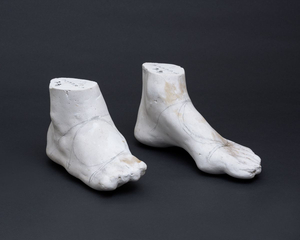
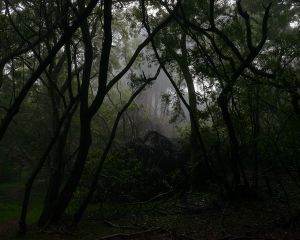
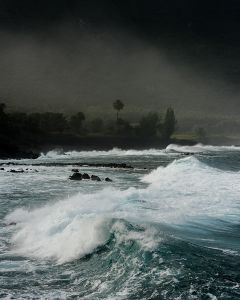
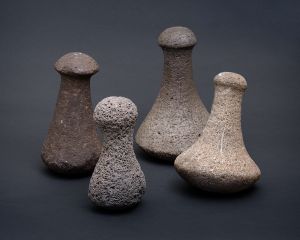
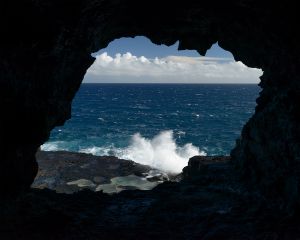
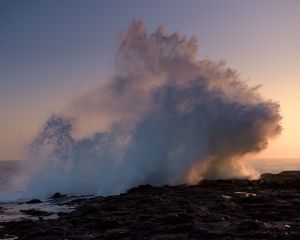
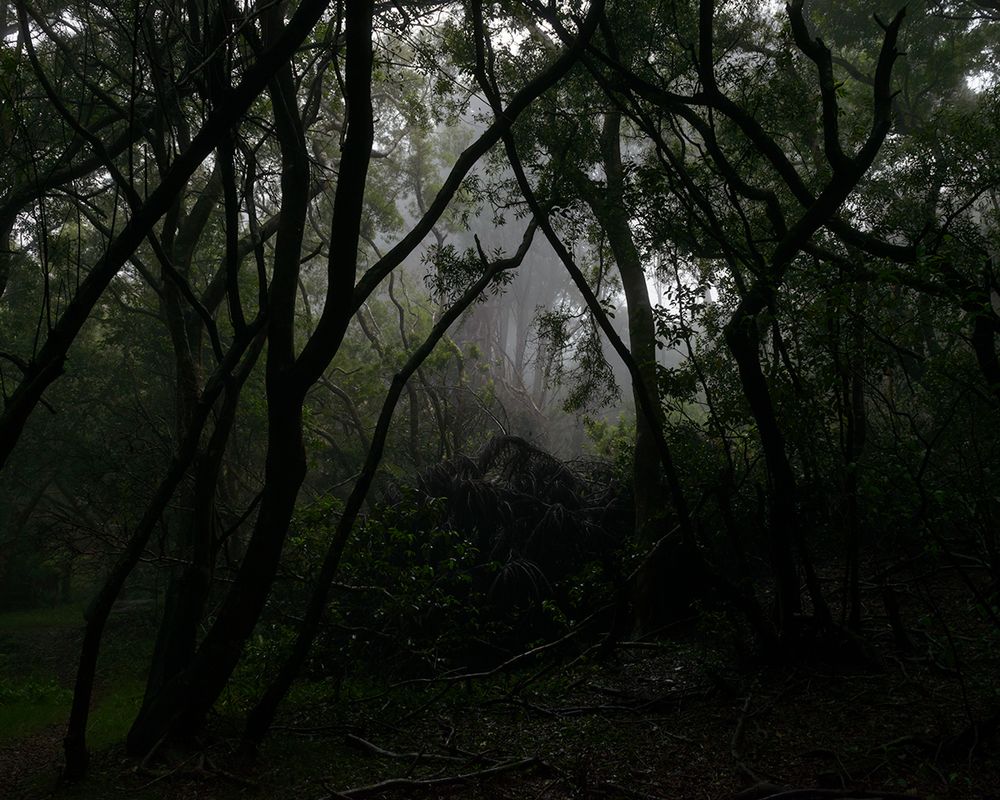
I first visited Moloka’i in the late eighties, several years after my grandparents had retired there. Even from a young age I was aware that there were certain aspects of the island that the snowbird community (retired mainlanders who spend the winter months in their vacation homes) rarely spoke about. They never acknowledged the US occupation, the māhū (third gender) and queer populations, the local poverty or the alternatives to market driven economy that define local life on Moloka’i. This project began as a way to bring these topics to the forefront and confront my position of privilege. I feel a moral obligation to share this work which provides a perspective on Hawaiian history and culture that is too often neglected in the American narrative. The island of Moloka’i has a very different geography, economy and history than the other Hawaiian Islands. The Kalaupapa peninsula is geographically divided from rest of the island by the pali, sea cliffs that plunge 2,000 feet down into the Pacific Ocean. This region, which is separated from the rest of the island, served as a natural prison for those suffering from Hansen’s disease (leprosy) for over a century. When the patients were finally freed the colony became a refuge for those afflicted with this debilitating disease. Today six patients, now in their senior years, remain sequestered in the settlement. The stigma of Moloka’i being labeled the “leper colony island” may have aided the community in their protest against overdevelopment. In the 1970’s the island became a center for the native Hawaiian movement which promoted community based environmentalism, resource preservation and restoration. The local community has sacrificed economic growth in exchange for protection of their environment, cultural traditions and way of life. The fight for the ability to sustain life without capitalism has allowed the island to preserve their cultural traditions, pristine natural environments and ancient Hawaiian sites. “The land is our breadbasket and the ocean is our icebox” is a common phrase spoken by the people on Moloka’i and its meaning is two fold. It speaks to the reciprocal relationship the community has with the environment as well as their desire to protect and preserve their cultural identity from the persistently encroaching settlers and tourists. With a simultaneous respect for the past and the present, my work unveils the complex history of Moloka’i, as well as the hopes and fears of those who live there. Comprised of still, moving and archival images, this project will culminate in a multimedia installation that engages the viewer in a discussion and debate about our politically charged history while questioning the role of social documentary practices. In the collision of tropical landscapes—beautiful and mundane, spectacular and everyday—with their complex histories, viewers encounter the affect our political history has on our domestic lives and the environments we inhabit.
No categories selected
Photos (10)