Season is Home
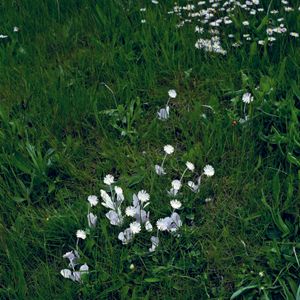
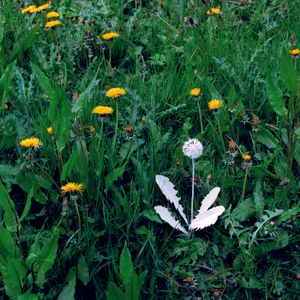
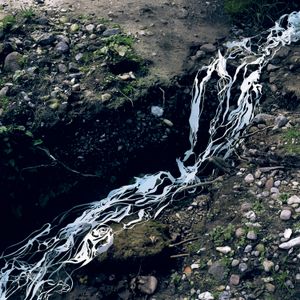
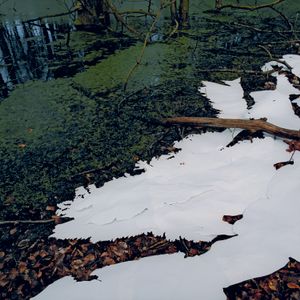
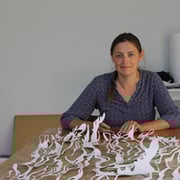
Season is Home is a series of photographs made up of staged white paper cuttings of different natural elements in dialogue with the seasons of Denmark. The series plays with our perception of nature and investigates our relationship to nature and its conventional representations. The presence of these paper cuttings in nature presents a contrast between a real and imagined reality. Spring, summer, fall and winter are portrayed as ‘white through white’ paper cuttings as opposed to the naturally occurring shifting colors one associates with the seasons. It is ‘paper botanics’, with the plants of each season such as windflowers, dandelions, daisies or corn poppies presented in a brand new guise. In the photographs, we see a nest under construction, or maybe it is abandoned. White seaweed floats above the coastlines’ water level, or in another image, paper leaves lie fallen between faded fall leaves beneath a bent oak tree. The paper cuttings mirror different naturally occurring changes that transpire in nature such as water turning into snow and ice as winter makes its chilly arrival. These white paper cuttings could resemble a beginning, functioning like a blank piece of paper, or equally could signal an end, with death-like white skeletons found scattered in the grass. The title ‘Season is Home’ connects the space of the home to nature-in-motion. Home is the space that earth gives us through the shifting seasons, or through general conditions such as space and light, temperature, wind and growth―elements around us that become a home for us, rooted in memory and identity. The series tells the story of the Danish seasons, where by now, white winters have almost disappeared. These works present a moment to contemplate how the order of the seasons has gradually shifted over recent decades. Paper by nature is a delicate and fragile medium and the series also invites the viewer to reflect on ideas of growth, decomposition, disappearance and renewal. The works engage with abstract themes such as the transience of material things, and the slow evolution between a microcosm and a macrocosm in a time of biodiversity demise and anxious climate change. In this series, the viewer is afforded the opportunity to ‘look again’ at nature, as it exists, as we imagine it, as it changes or disappears through perception and our relationship with it.
No categories selected
Photos (10)