The Spaces We Inherit
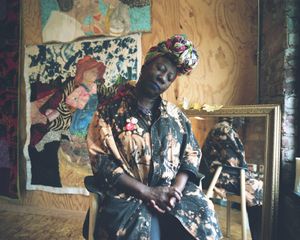
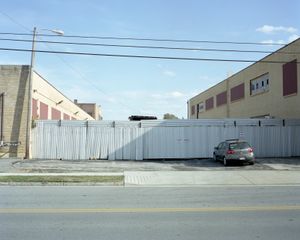
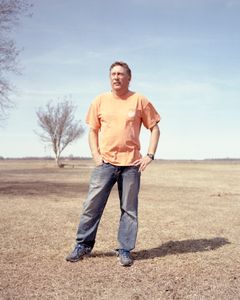
The Spaces We Inherit explores the historical legacy and contemporary significance of lynchings and racial murder on the American people and the American landscape through photographs, interviews, and field recordings. Based on over twelve months of research and documentation across eleven states, this unique body of work features photographs that show the exact or approximate location where individuals were lynched or murdered - reflecting not just the universality and mundanity of physical space but the simultaneous nature of presence and absence, 'what is both seen and not seen'. The work also features portraits and stories with direct connections to the physical locations and historical events, while others explore race relations in a broader context. As it was before, so it is again. The specters of slavery, lynching, and segregation appear, on the surface, to be relics of a bygone era and a bloody past, the mistakes of previous generations and governments. But they endure: disguised in new uniforms, hidden under the chimera of modernity, reshaped and renamed for the contemporary age. And then there are the atrocities themselves, the physical spaces upon which they took place, and the psychological landscapes within which they still reside and still haunt. The entire body of work consists of 60 medium-format film photographs, 10,000 words of text and interviews, and a 24min constructed sound piece. Acclaim for The Spaces We Inherit: 'Oliver Clasper's journey with his camera and his heart through the geography of American lynching is at once a devastating history piece and an eloquent sorrow. It is all the more lyrical for not trying to be lyrical. We stare into the flat, sunlit, mundane places where something horrid occurred a generation ago, or three, and in a way experience it all over again - or at least a fraction of how it might have been. In the banal we can glimpse the terror, in the serenity the obscene.' Paul Hendrickson, author of Sons of Mississippi, winner of the 2003 National Books Critics Circle Award 'Scholars, writers, and artists have struggled to confront the horror of lynchings and its continued influence on American life. Oliver Clasper’s compelling, extraordinary work, which connects particular lynchings with photographs of the places they occurred, is a new and powerful approach, profound in its evocative power.' Margaret Vandiver, author of Lethal Punishment: Lynchings and Legal Executions in the South
No categories selected
Photos (10)