A BEAUTIFUL MODERN METROPOLIS
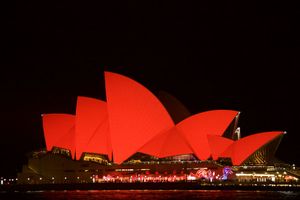
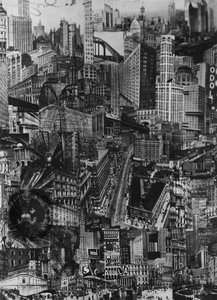
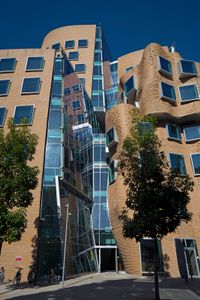
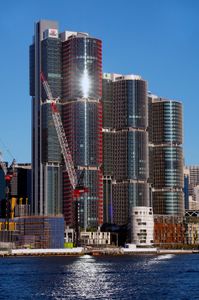
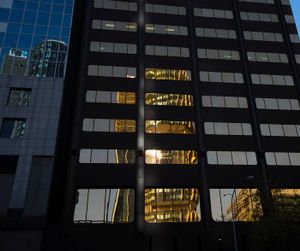
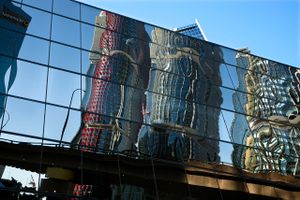
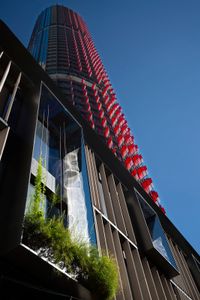
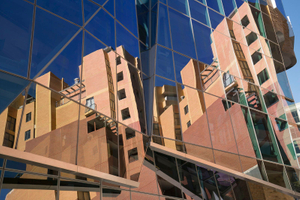
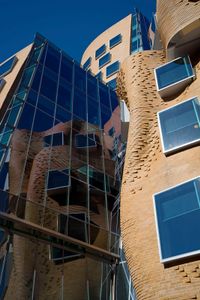
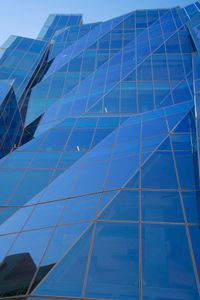
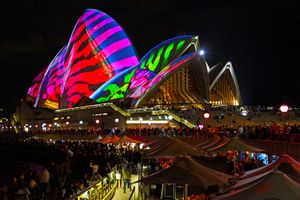
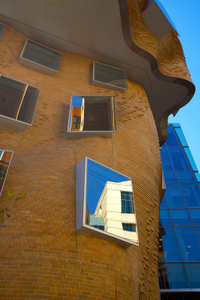
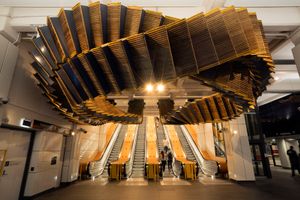
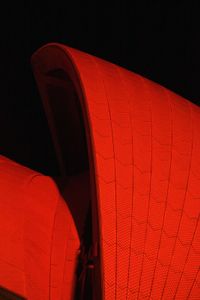
A BEAUTIFUL MODERN METROPOLIS - SOMETHING LIKE A TOURIST BROCHURE During the 1920s and 1930s Paul Citroen a German born, Dutch modern artist made famous collage works composed of many pictures of multi-storey buildings cut from magazines and stuck together into sharp and fascinating composition. His most famous collage artwork is called Metropolis and it is part of the collection at the Museum of Modern Art in New York USA. It seems now that there is no need to make collages similar to Paul Citroen, because the buildings themselves have become designed architecturally as collage, montage and assemblage. Edifices shrouded with surreal disruption of fabricated details, overgrown with green plants and beautiful, swooping aerodynamic shapes. Buildings that surge together on a high tide of jumbled pieces set at displaced angles, like a cubist painting. The Sydney Opera House is one of the most influential modernist works of architecture in the world, the most attractive and admired of modern buildings anywhere, at least in external aspect. Central Sydney has also added recent spectacular contemporary buildings such as the architect Frank Gehry’s design for the Dr Chau Chak Wing Building, Business School at the University of Technology (UTS) or the Broadway Building housing the UTS Faculty of Engineering and Information Technology (FEIT) designed by Denton Corker Marshall. Sydney is becoming more beautiful with many new buildings designed to be ecologically safe and economic to maintain, that appear elegantly sculptural, difficult to name but easy to experience, and influential in terms of future architecture. Also, on reflection, photographic images represent other objects and events, but they are too specific, bonded to whatever they represent, and not instructional or didactic in the same way as coded communication, written and/or spoken words. In other words, photographs do not teach. They are indeed objects in themselves that may be beautifully crafted from fine exposure to finished projection and/or print. Accordingly, photographs provide effective experience as far as the limits of the tiny piece of the real they evince and, therefore, communicate by means of witness. It is in that way we learn a lot from photographs.
No categories selected
Photos (16)