Untitled Series
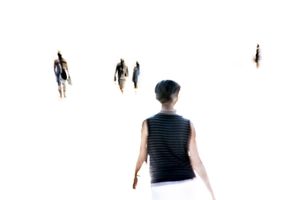
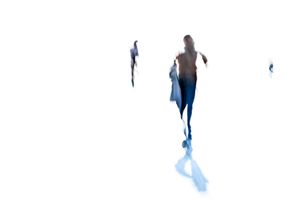
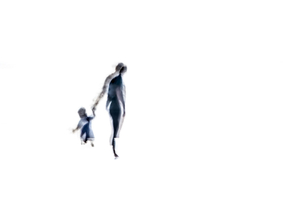
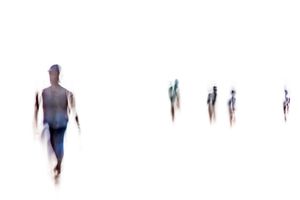
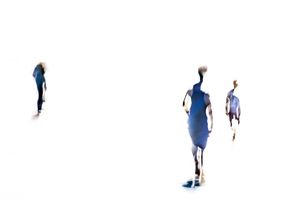
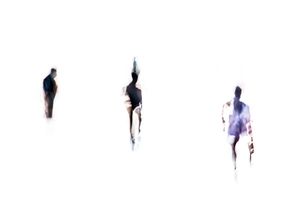
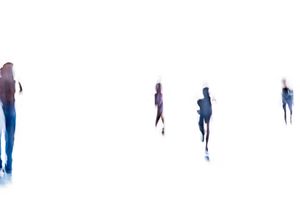
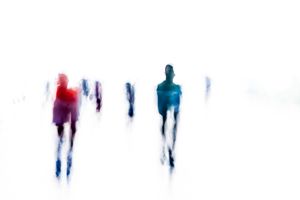
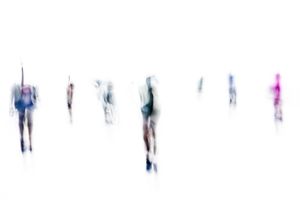
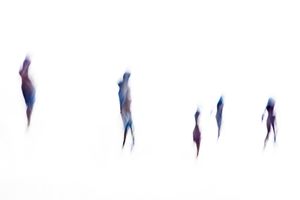
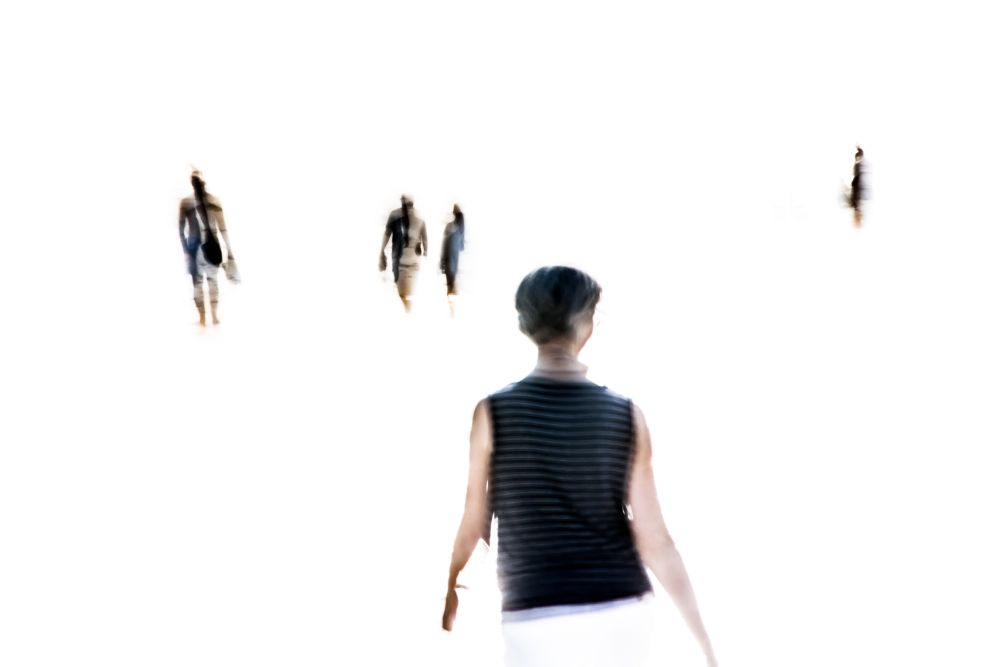
In this series I am reducing a subject to its bare essentials. By providing just the minimum information needed to convey an image I am discovering the ambiguities in everyday scenes. These abstractions become metaphors and generalizations of universal human themes: the surrounding context disappears and becomes unimportant: it is the gesture or gestalt that creates the emotional connection. Recent scientific research shows that our brains have the tendency to compensate for missing information by a phenomenon called “filling in” (for example, a person with a blind spot, or even when we blink). In a similar way, my use of abstraction and limited details invites the viewer to bring their own experience to the images as they are also “filling in” missing info. The less detail, the more the viewer fills in with their own point of view. For that reason, I’ve also kept the titles vague so as not to influence the viewer’s experience. Here I am also exploring the use of the camera as a paintbrush. The movement of the camera and of the subject during the long exposure gives the images a painterly, often watercolor feel. I am in fact influenced by a variety of painters: the bold abstract forms in the work of painters like Motherwell and Kline; to the lines and colors of Basquiat, and to the surrealist abstractions in Picasso’s early “On the Beach” series. To create these images, subjects are shot with hand-held time exposures against bright sunlit backgrounds. Camera movement during the long exposure generates these abstract effects, which are created entirely in-camera and without the use of any image-processing techniques. The final images are blown up large and printed on oversize watercolor paper.
No categories selected
Photos (10)